Some exhibitions ask you to look. Alaya Kala asks you to stay.
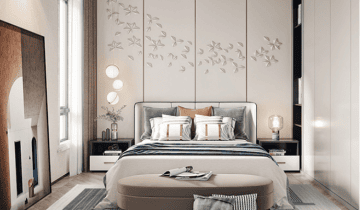
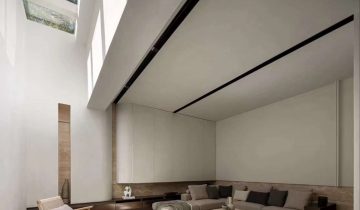
Step into the Alaya Kala exhibition at ASHTA District 8 and you are not entering a conventional gallery. Bronze figures by sculptor Adi Gunawan occupy a fully realized interior — among linen sofas, woven wood screens, living greenery, and the warm glow of low lamps. It is art in a home. Or a home that happens to contain art. At Alaya Kala, the distinction barely matters.

A Name That Carries Its Own Weight
The title comes from Sanskrit: alaya means shelter or refuge, kala means time. Together they describe a space that holds memory — a room where journeys, traces, and the residue of living are preserved. Running from 3 to 26 July 2026 at Level 1 of ASHTA District 8, South Jakarta, the exhibition is a four-way collaboration between Adi Gunawan’s studio, SANKHARA Art, Quatro Design Studio, POLA Studio, and Theory of Living.
The Javanese concept of the rumah — a household, not just a house — runs through every spatial decision here. The Joglo, the traditional Javanese pavilion structure, appears in the woven wood screens, the horizontal layering of the space, and the sense of a room that opens toward nature. POLA Studio’s botanical installations bring the garden inside. Quatro Design Studio shaped the overall architecture of the space. Theory of Living furnished it — and in doing so, gave the sculptures a home to inhabit.

The Body That Refuses the Standard
Adi Gunawan is a graduate of Institut Seni Indonesia (ISI) Yogyakarta. For nearly two decades, his bronze figures — round-bodied, full-cheeked, emphatically non-ideal — have been a quiet argument against the media’s narrow version of beauty. When he first developed the style in 2007, it was a deliberate provocation. “Beautiful in my version is plump, round, curly-haired,” he told Dewi Magazine in 2026. “That is what I manifest in my works.”
The figures at Alaya Kala range from intimate desktop-scale pieces to large statement works, and from human forms to the animal figures — cattle, bulls — that Adi uses as Orwellian metaphors for power and social hierarchy, drawn from his reading of George Orwell’s Animal Farm. What unifies them is warmth: figures that embrace, meditate, balance, and simply sit together. They are remarkably easy to be near.

Theory of Living: Furnishing the Sanctuary
For Theory of Living, the invitation to furnish an art exhibition presented a design problem in reverse. The usual question — how do furnishings make a space feel good to inhabit? — became something subtler: how do furnishings make a space feel right for art to live in?
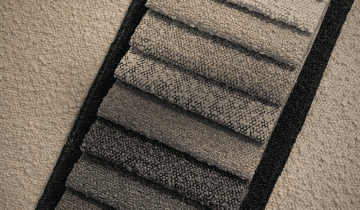
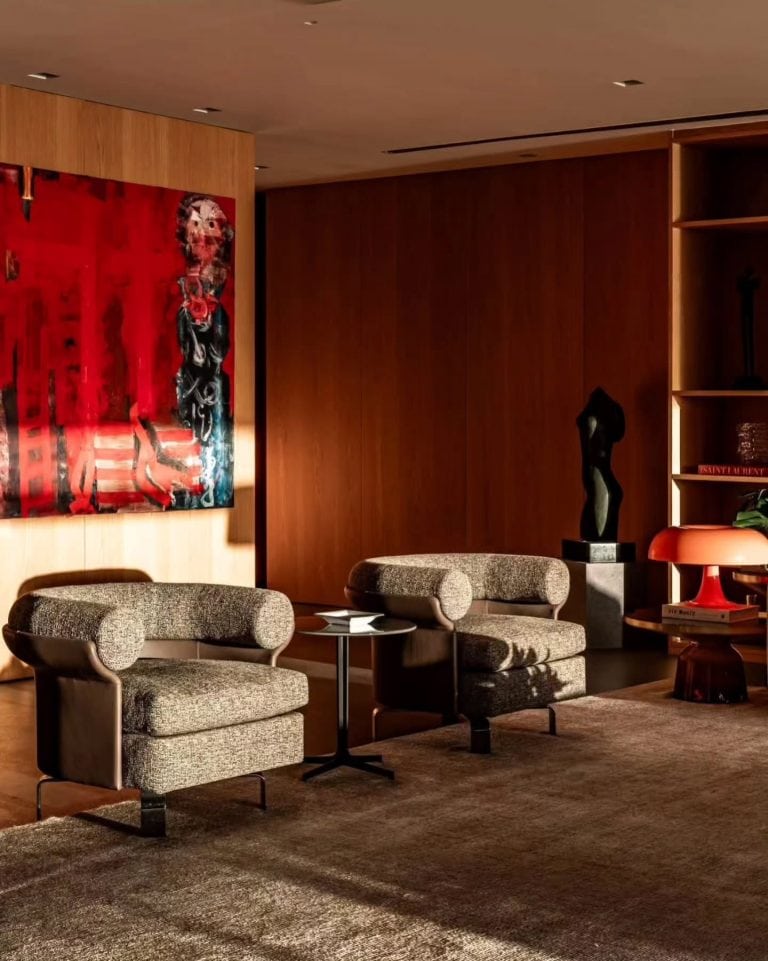
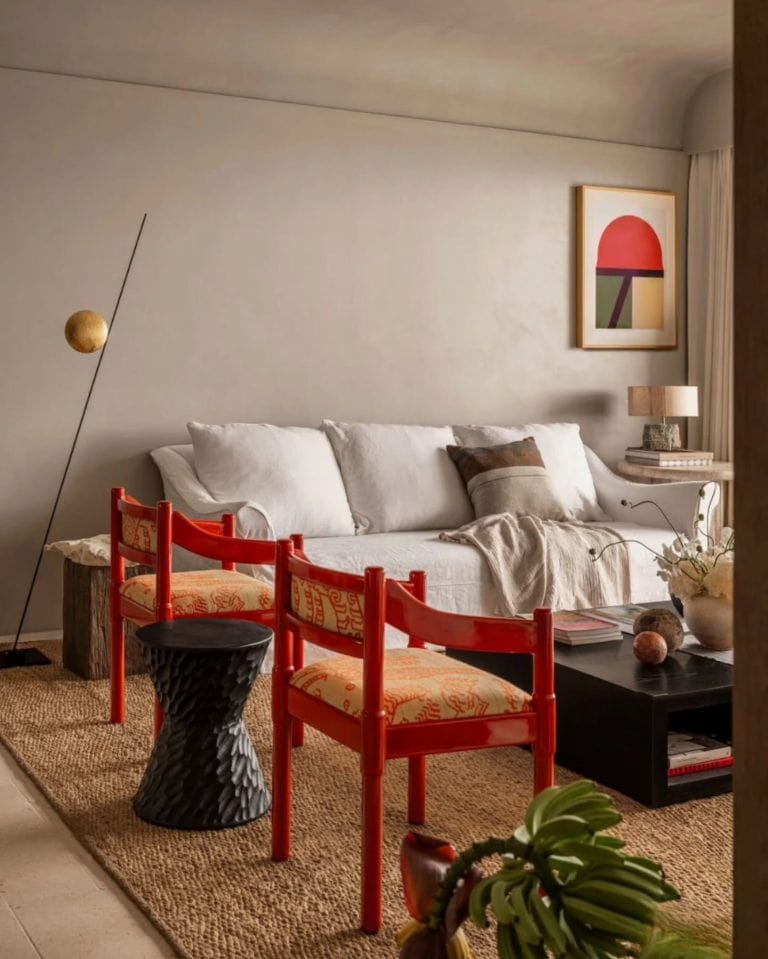
The answer required restraint and warmth in equal measure. Theory of Living selected pieces that share a material language with Adi’s sculptures: natural, textured, grounded. The brief was not minimalism — it was domesticity. Low linen sofas invite sitting, not just looking. A stone-surface coffee table holds a bonsai at the same height as a bronze figure. Pendant and table lamps create pools of light that give the sculptures shadow and dimension. Everything was chosen to make the room feel inhabited, because the art demanded it.

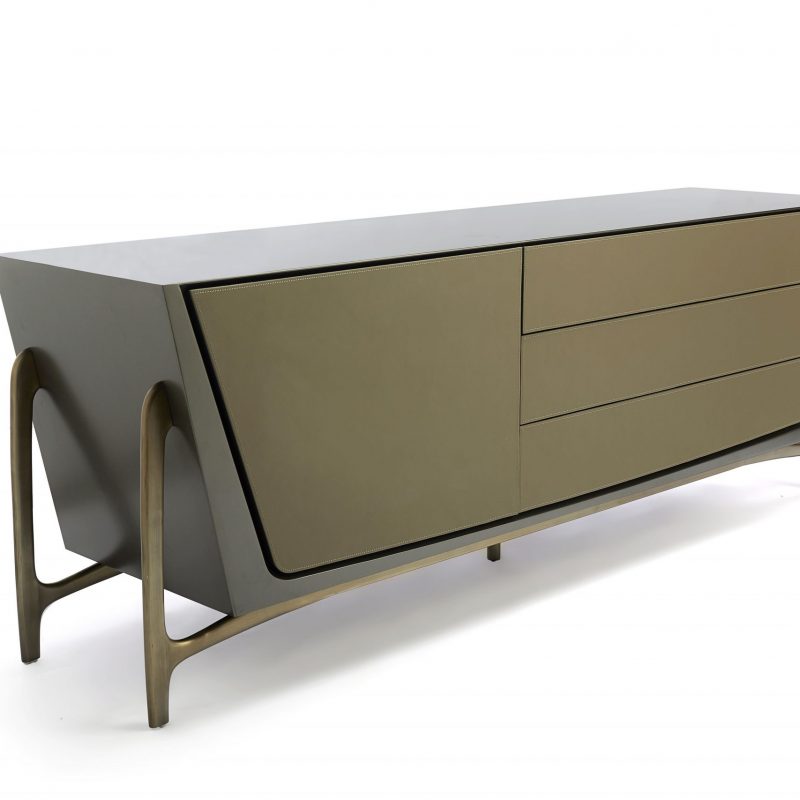
The soft cream sofas and natural-material accessories visible throughout the space are drawn from Theory of Living’s signature collection — furniture designed around the principle that every piece should earn its place by being both beautiful and purposeful. At Alaya Kala, that principle found its fullest expression: pieces that would be unremarkable in a showroom become quietly essential when placed alongside Adi’s figures. The room doesn’t compete with the art. It completes it.
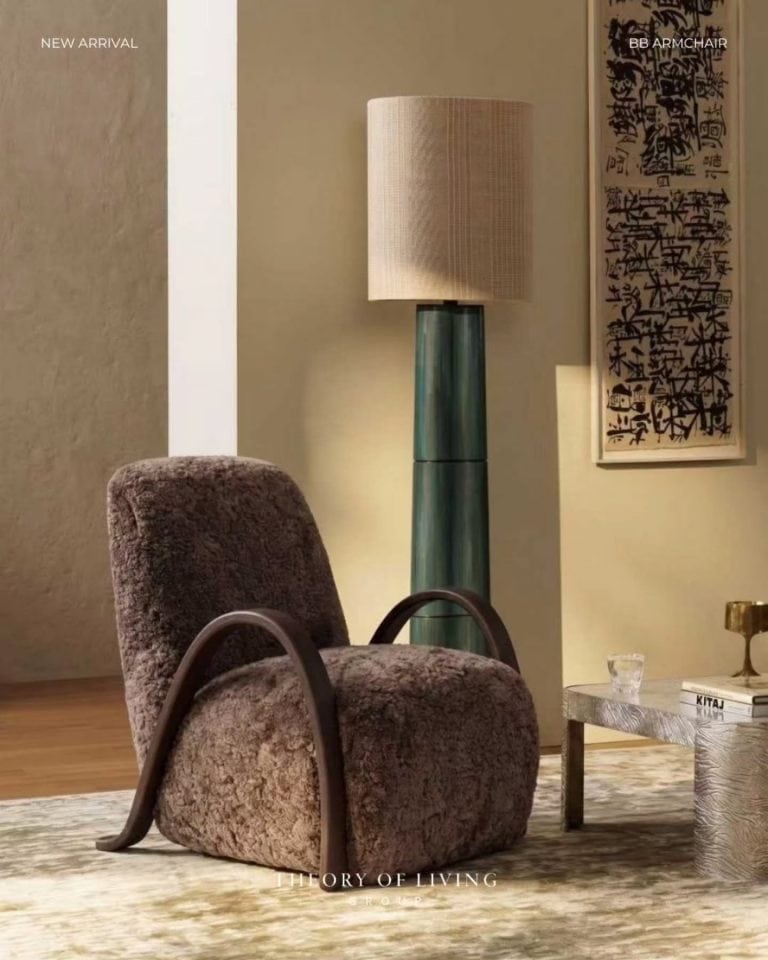
If the seating at the exhibition caught your attention, the Ravelle Lounge Chair is a good starting point for building a similar atmosphere at home.

A Closer Look
Step inside the space. Our team captured the dialogue between furniture and sculpture — how each TOL piece holds its ground alongside Adi Gunawan’s work.
As Featured In
Since opening on 3 July, Alaya Kala has drawn coverage from across Indonesia’s design, art, and lifestyle media:
Dedicated a feature to Adi Gunawan’s philosophy of beauty, with a full interview on the exhibition’s concept and collaborators.
Covered how sculpture and interior design come together in Alaya Kala’s cross-disciplinary approach to living with art.
Featured a full write-up on CURATED LIVING, spotlighting Theory of Living’s role in building the exhibition’s domestic atmosphere.
Described the exhibition as Adi Gunawan’s sculptures “coming home” — a nod to the Joglo-inspired setting.
Called Alaya Kala “officially redefining how we live with art” and highlighted the exhibition as a must-visit for Jakarta’s expat community.
Captured the opening evening on Instagram, featuring Jakarta’s design community — including Theory of Living founder Sherley Lueis.
Visit Alaya Kala
Alaya Kala runs through 26 July 2026 at Level 1, ASHTA District 8, Senopati, South Jakarta. Entry is free and open to the public during ASHTA’s operating hours. The exhibition is designed to be spent time in — bring the afternoon.

The Team Behind Alaya Kala