Indonesia has been producing remarkable design hotels for decades — not as a trend, but as a natural expression of what happens when extraordinary craft traditions, spectacular landscapes, and a deep understanding of material meet world-class hospitality ambition. These are the ones that get it most right.
What distinguishes Indonesia’s best design hotels from beautiful hotels elsewhere is something harder to name than architecture or budget. It is the quality of attention paid to material — to the weight of a handwoven rattan chair, the texture of hand-pressed brick, the uneven surface of a thrown ceramic vessel. These are hotels where the furniture tells the story of the place it came from.
1. Katamama — Seminyak, Bali
Designed by Andra Matin & Takenouchi Webb

More than a million handcrafted bricks — each one made by artisans in the village of Penglipuran — form the walls of this 58-suite boutique hotel inside Desa Potato Head resort. Indonesian architect Andra Matin worked with Singapore-based Takenouchi Webb to build a space that functions as both a hotel and a living archive of Balinese craft.
Every surface carries evidence of the hand that made it: terracotta tile laid in ancient patterns, ikat textiles woven by local artisans, teak-framed sofas with hand-stitched upholstery, rattan furniture in forms that reference the mid-century Indonesian vernacular. The overall effect is neither rustic nor precious — it is simply very, very considered.
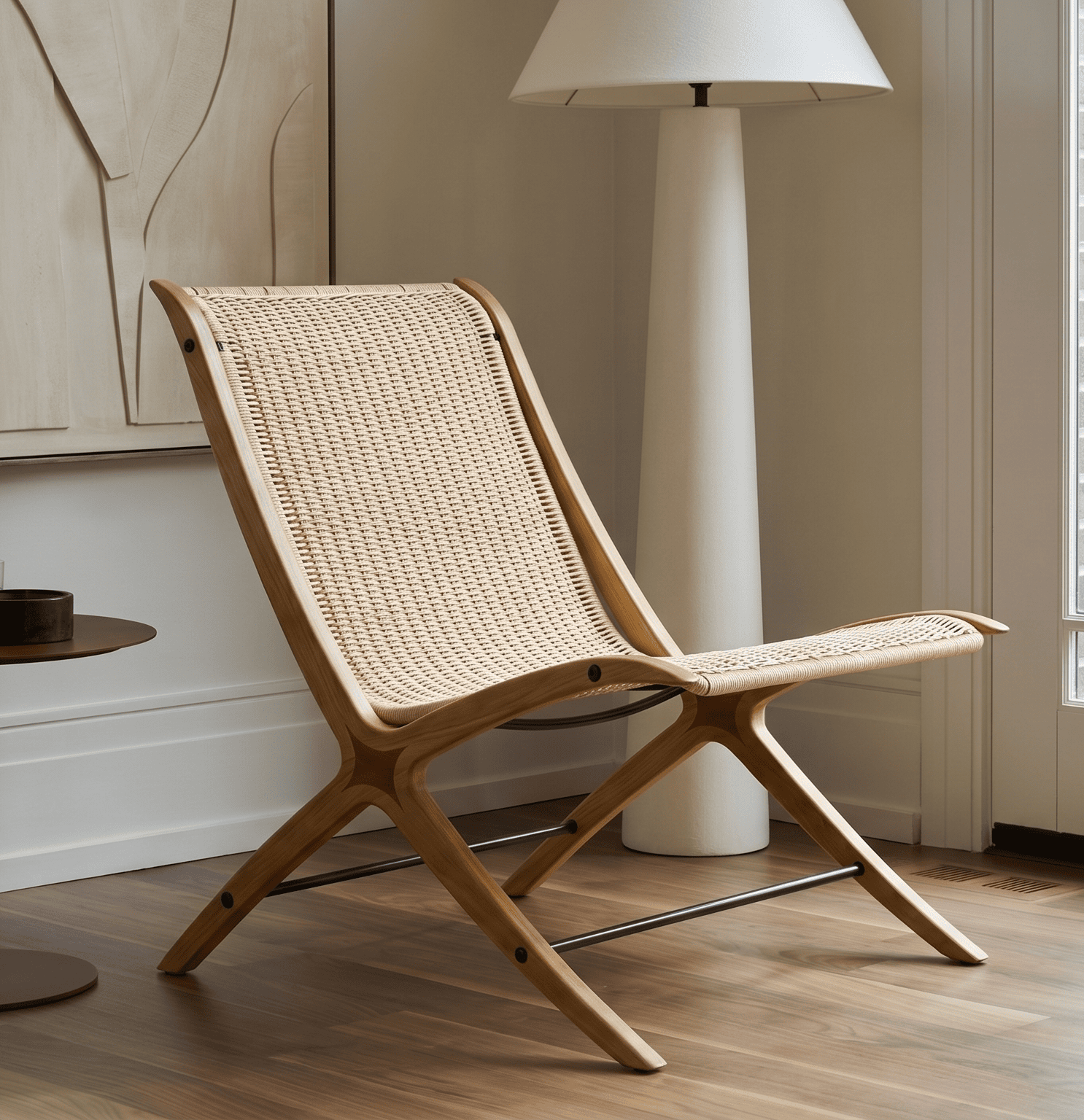
The look we love: The handwoven rattan seating in the suites — generous, low, and made to be sat in for long stretches. It is the kind of furniture that only improves with time. The Kelith achieves the same quality of craft.
2. Alila Villas Uluwatu — Bukit Peninsula, Bali

Designed by WOHA Architects
WOHA Architects conceived this clifftop property as an architectural response to its landscape rather than an imposition on it. The materials are almost entirely local and honest: limestone rubble cladding quarried from the site, recycled railway sleepers, palimanan stone from Yogyakarta, bamboo-weave ceiling panels, and rattan woven into wall surfaces and furniture in forms that echo centuries of Balinese making.
The result is a property that has won nearly every significant award in sustainable hospitality design — and that still looks extraordinary because the design was never about trend. The palette of unpolished terrazzo, oxidised brass, white sandstone, and porous lava rock has aged beautifully precisely because it was derived from materials that age well.
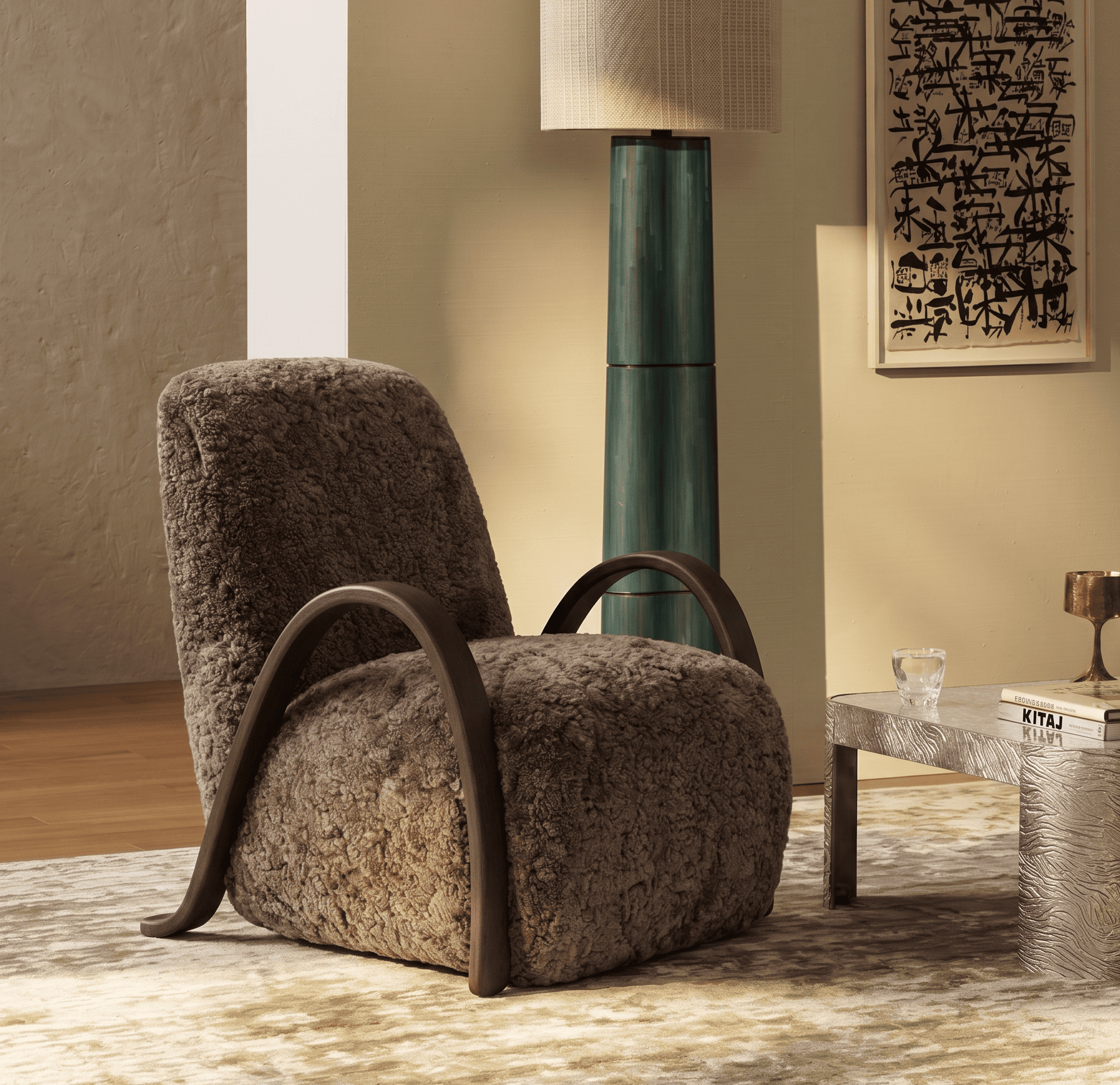
The look we love: The villa living areas — low furniture, high ceilings, a quality of stillness. The seating invites you to settle in and not rush. The Velou brings the same unhurried quality home.
3. Capella Ubud — Tegalalang, Bali
Designed by Bill Bensley
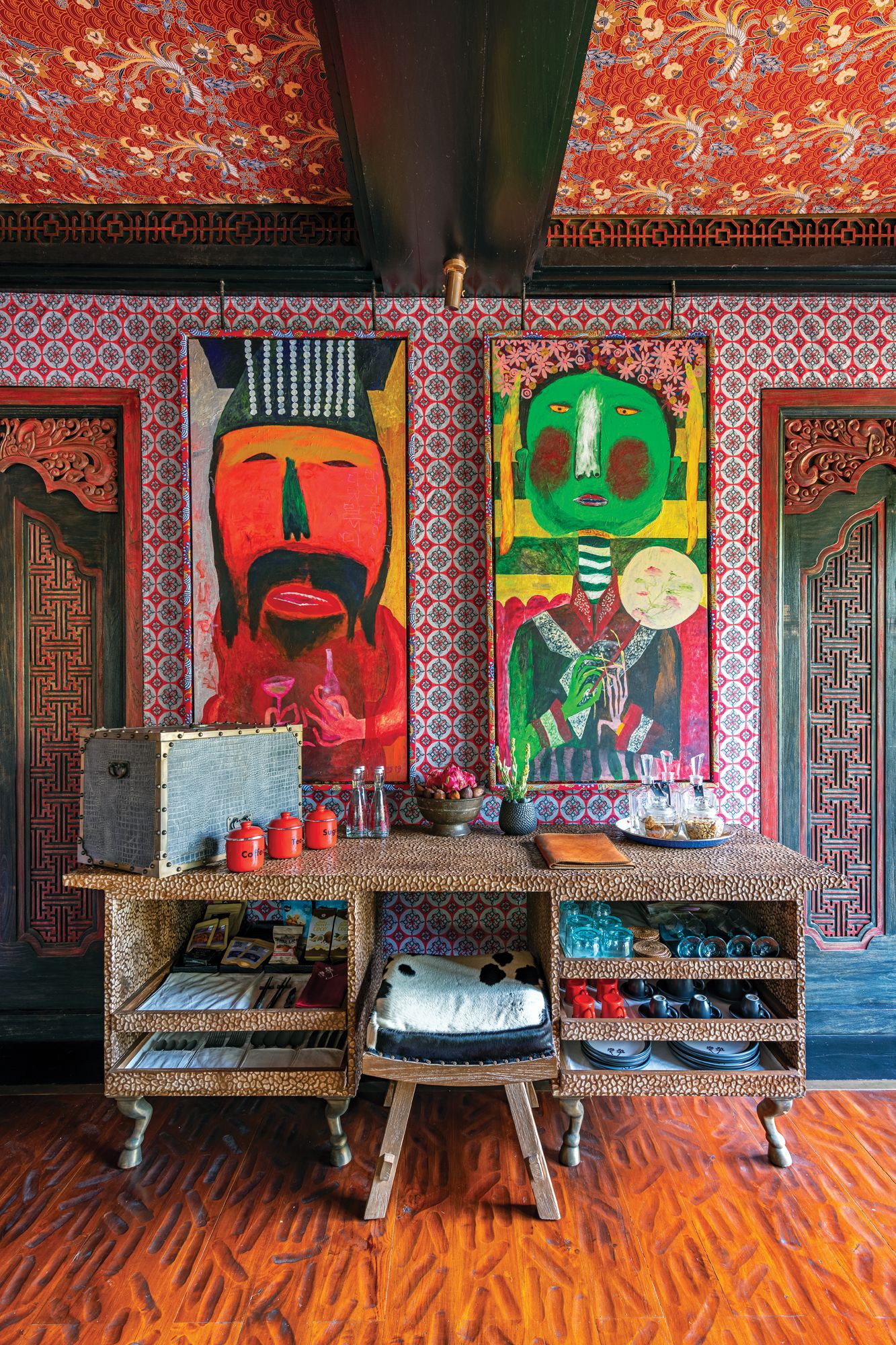
Bill Bensley’s tented jungle retreat is one of the most theatrical hotel environments in Southeast Asia — 22 tents built around existing trees, without a single one cut to make way for construction. Inside each tent is a world of Indonesian artisanal objects: hand-beaten copper details, hand-carved furniture, hand-painted artworks, ceramics sourced from across the archipelago, and fabrics in Saput Poleng, batik, and ikat.
La Liste’s Top Hotels 2026 included Capella Ubud for the quality of the guest experience — a quality that stems directly from the obsessive material detail that Bensley brings to every project. There is nothing generic here. Every object has been sourced, commissioned, or found specifically for this place.
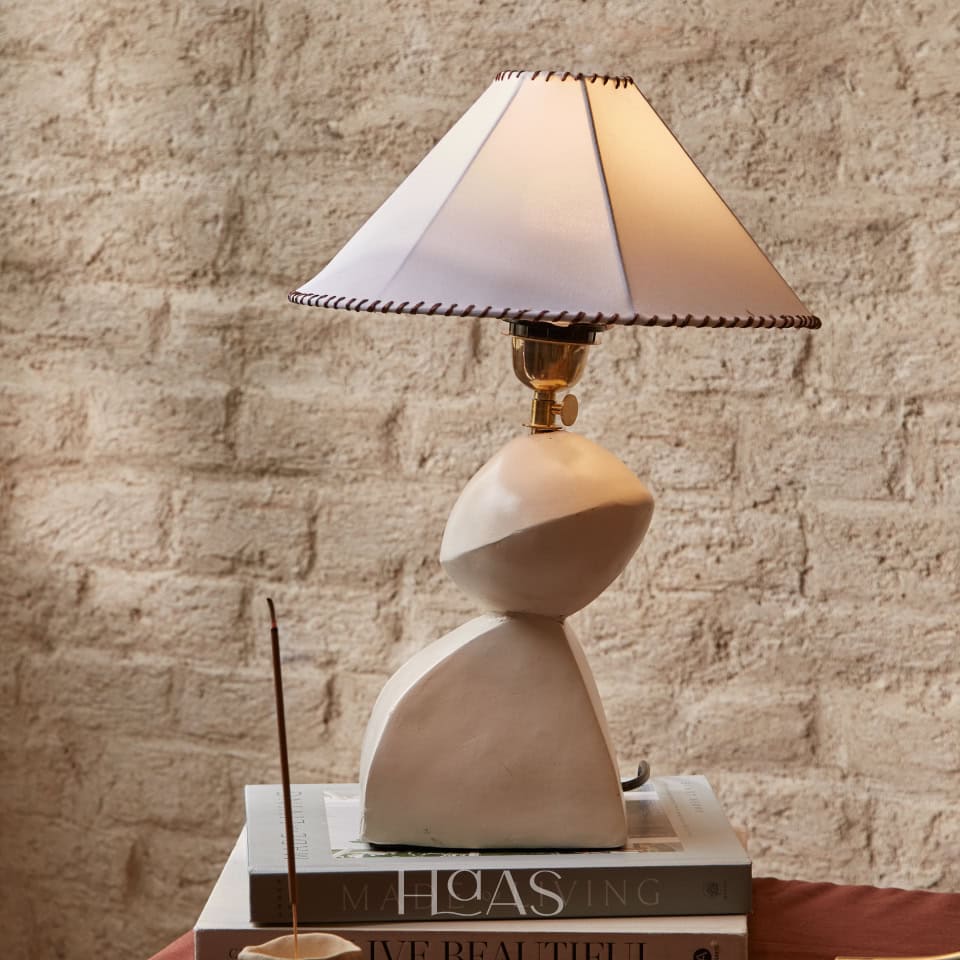
The look we love: The ceramic and pottery lighting throughout — handcrafted pieces that glow warmly against the bamboo and timber. The HAAS Nusa is from the same tradition.
4. Bisma Eight — Ubud, Bali

Boutique Design Hotel
Bisma Eight sits above a deep jungle valley in Ubud and makes no attempt to hide its contemporary ambitions. Raw concrete, structural steel, and large glass panels form the bones of the building. Then the softening begins: bamboo walkways, salvaged Javanese and Balinese doors repurposed as interior screens, rattan accent furniture, rough silk throws, and a material palette that reads as deliberately edited.
Forbes described it as Williamsburg doing a cultural exchange with the Indian Ocean — a line that captures the tension the hotel navigates so well between design-world sophistication and Balinese material warmth. The sustainable credentials are also genuine: bamboo, jute, and sustainably sourced timber throughout, with old doors given new purpose rather than discarded.
The look we love: The bedroom textiles — linen and raw silk layered against rough cement walls. The contrast is the point. The Vellise carries the same natural linen ease.
5. Nihi Sumba — Sumba Island

Ultra-Luxury Resort
Nihi Sumba sits on one of Indonesia’s most remote islands, and the design philosophy reflects that distance from the mainstream. Every villa is hand-built by local craftsmen using materials indigenous to Sumba: timber, stone, woven textures that reference centuries of Sumbanese making. The ikat textiles — woven by local artisans over months, sometimes years — are among the most extraordinary craft objects you will encounter in any hotel environment anywhere in the world.
Consistently ranked among the world’s best hotels, Nihi Sumba earns its position not through amenity lists but through the depth of its connection to place. The interiors feel earned rather than designed — which is, of course, the highest form of design.
The look we love: The open-plan living areas — woven textures, natural wood, an uncomplicated relationship with the landscape outside. This is Indonesian craft at its most elemental.
6. Amanjiwo — Borobudur, Central Java
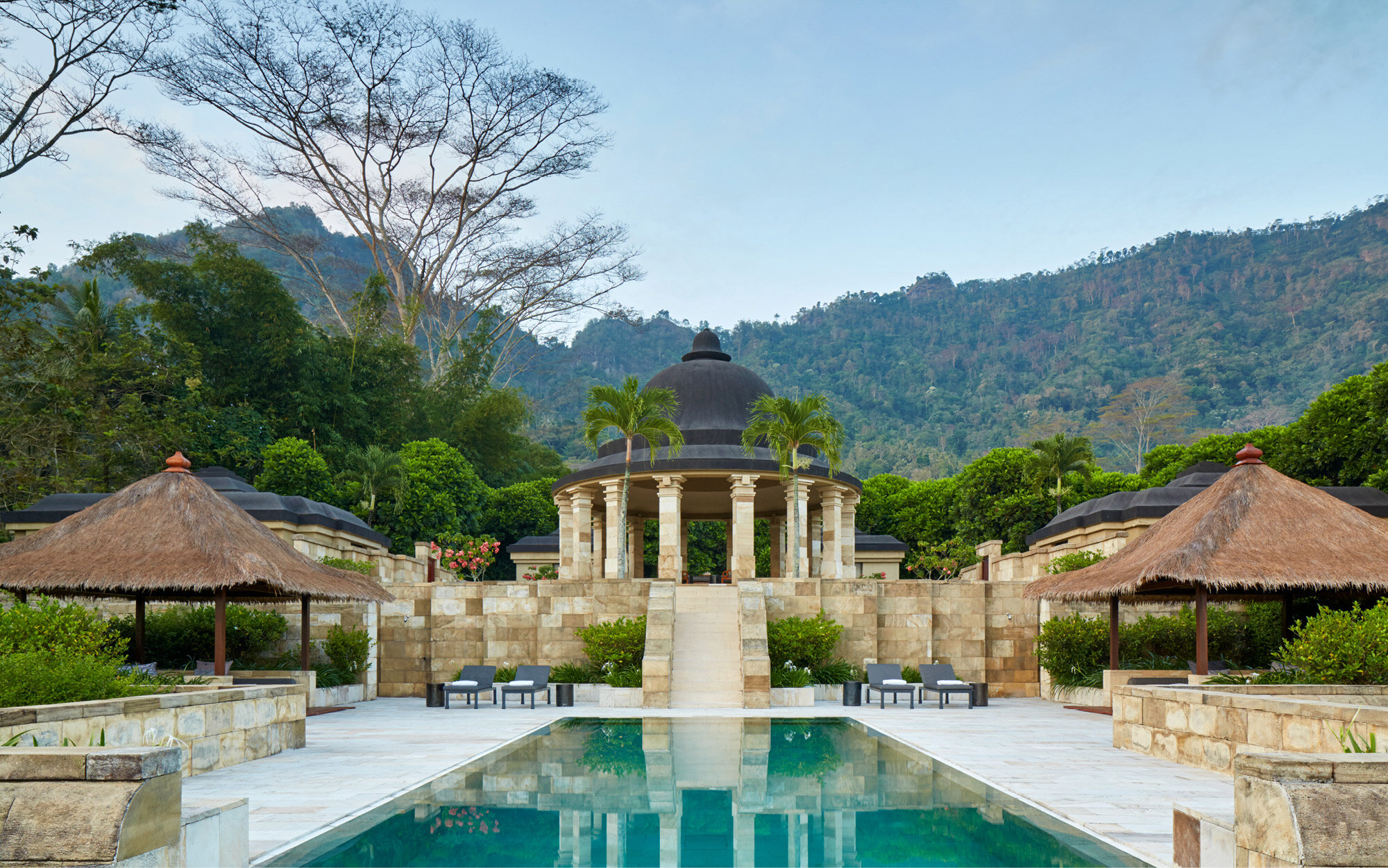
Designed by Ed Tuttle
Ed Tuttle conceived Amanjiwo as an architectural conversation with Borobudur — the ninth-century Buddhist monument visible from the property’s central rotunda. The domed central pavilion, built in local Palimanan limestone, draws its geometry directly from the stupa form. Volcanic Merapi stone, paras yogya limestone, and hand-laid stone walkways in crescent configurations reference ancient Javanese temple traditions without reproducing them.
The interiors are correspondingly restrained: four-poster beds on raised platforms, furniture in traditional rattan, a palette of cream, ivory, and stone that lets the architecture — and the view of Borobudur at sunrise — speak without interruption. One of the older Aman properties, it remains one of the best-loved, because the design was never about the moment it was built in.
The look we love: The suite living areas — simple, mineral, with ceramic and pottery objects as the only decorative gesture. The HAAS Nusa lamp belongs in this company.
7. Park Hyatt Jakarta — Central Jakarta
Designed by Conran and Partners

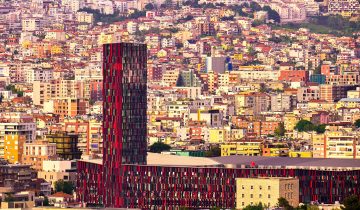
The Park Hyatt Jakarta, occupying the upper floors of a 37-storey tower in central Jakarta, makes a case for Indonesian craft at scale. Conran and Partners designed every surface as an opportunity to express local making: hand-finished wall treatments, artisanal ceramic installations, custom furniture by Indonesian makers, and a material vocabulary that grounds the property in its city despite being forty floors above it.
Design Anthology documented the opening as “an expression of locality and craft” — noting that the hotel uses Indonesian artisanal work not as decoration but as structure. The result is a property that feels deeply of its place while meeting every international luxury benchmark.
The look we love: The lobby seating — generous, considered chairs in upholstery that references the Indonesian textile tradition. The Velou achieves a similar quality of presence.
8. Desa Potato Head — Seminyak, Bali

PTT Family — Sustainable Design Village
Desa Potato Head is part hospitality venue, part design manifesto. The resort’s most famous facade — composed of 10,000 repurposed wooden shutters — established immediately that this was a place with a point of view about materials and sustainability. Inside, the design intelligence continues: reclaimed timber, natural fibres, handmade ceramics, and furniture that draws on Indonesian craft traditions while speaking a contemporary global design language.
Across its restaurants, studios, and accommodation, Desa Potato Head functions as a platform for Indonesian design talent — hosting events like Jia Curated and commissioning local makers for everything from custom seating to bar installations. It is less a hotel than a proof of concept for what Indonesian design can be when given the scale and resources to fully express itself.
The look we love: The natural linen and handwoven textile seating throughout the resort spaces — materials that look better with age, in rooms designed to be used rather than preserved. The Vellise is designed with exactly that philosophy.
Bringing It Home
The craft tradition behind these hotels — rattan woven by hand in Java, linen loomed in natural fibres, ceramics thrown on wheels by Indonesian potters — is not exclusive to the hospitality industry. It is available in every piece we make at Theory of Living. We work with the same artisan networks, the same materials, the same intention.
The difference between a hotel room that stops you and a living room that you never want to leave is smaller than you think. It begins with the quality of what you sit on.
Bring It Home
The Indonesia Edit
The craft tradition behind these hotels — rattan, linen, handthrown ceramics — is available in every piece we make.
Editorial references: Park Hyatt Jakarta — Design Anthology; BYO Living weaving atelier — Design Anthology; Katamama — Dezeen; Alila Villas Uluwatu — WOHA Architects.