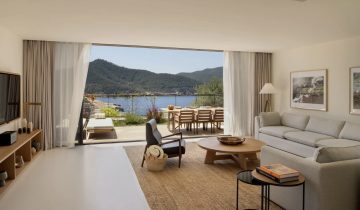
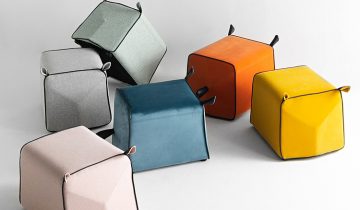
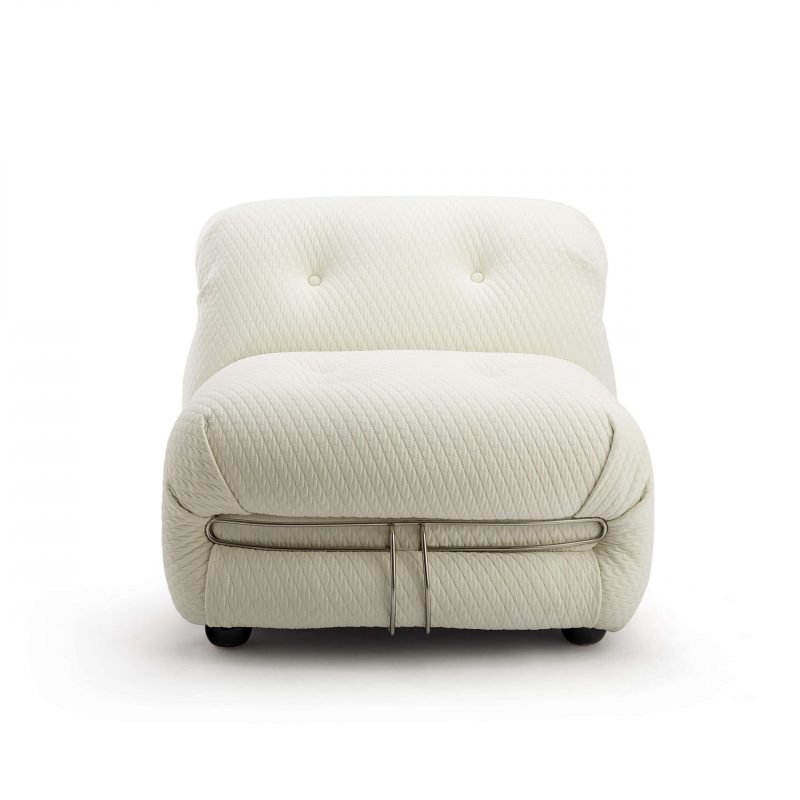
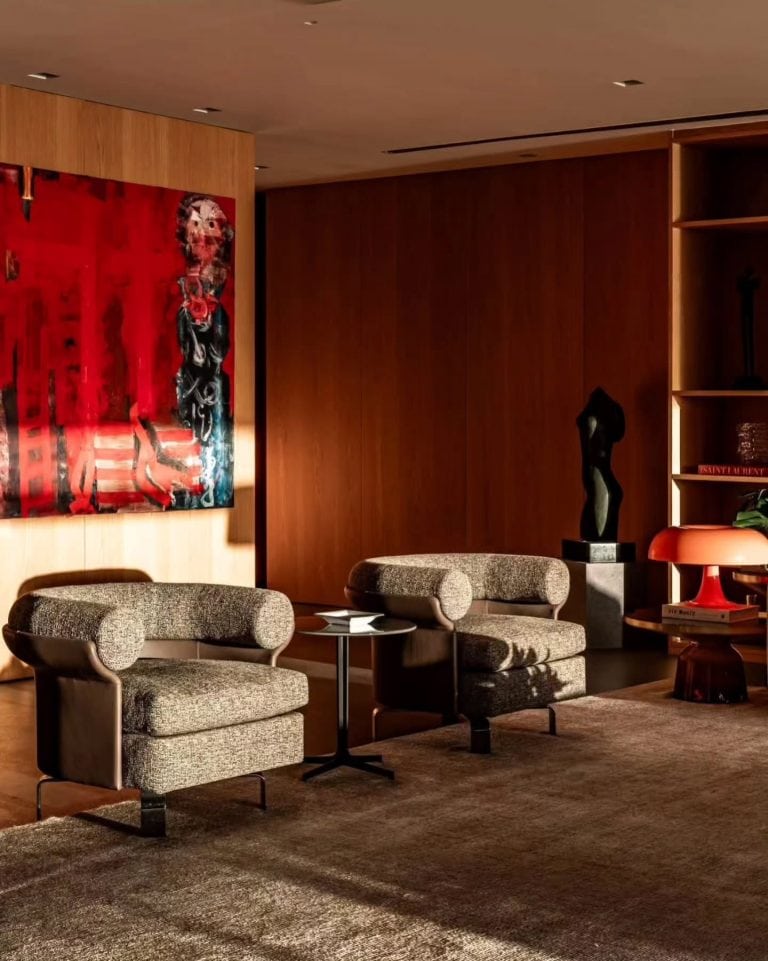
When a boutique hotel in Bali or a design-led restaurant in Jakarta opens to international acclaim, the furniture rarely arrives by accident. Behind every considered lounge chair and perfectly weighted dining seat is a process — methodical, specific, and deeply collaborative — known in the industry as FF&E specification.

What Is FF&E Specification — And Why Does It Matter?
FF&E stands for Furniture, Fixtures and Equipment — the category that covers every moveable item in a commercial interior that isn’t structural. For an interior designer working on a boutique hotel or a high-end restaurant, the FF&E specification document is the master record of every chair, sofa, table, lamp and soft furnishing: its material, dimensions, finish, quantity, supplier, lead time, and cost.
Done well, the FF&E specification is what prevents a stunning design concept from collapsing under the weight of a real building schedule — and what ensures the furniture still looks and performs beautifully after three years of commercial use. Done poorly, it results in chairs that wobble after six months, fabrics that pill after a season, and a procurement nightmare that goes significantly over budget.
The Contract-Grade Standard: What It Actually Means
The single most important distinction in hospitality furniture procurement is between residential and contract-grade furniture. Residential pieces are designed for domestic use — perhaps a household of four, sitting down and standing up a handful of times each day. Contract-grade furniture is specified for commercial environments where that same chair may be used fifty times a day, every day, for years.
The technical benchmarks are specific. Upholstery durability is measured in double rubs — a standardised friction test that simulates the pressure of sitting and rising. The minimum thresholds by space type tell the story:
- Guest room seating: 30,000+ double rubs
- Hotel restaurant dining chairs: 50,000+ double rubs
- Hotel lobby and public area seating: 100,000+ double rubs
A standard residential fabric might test at 15,000 double rubs — less than half the minimum threshold for a guest room. Beyond fabric, the frame construction matters just as much. Kiln-dried hardwood frames with mortise-and-tenon joinery are the hospitality standard; they resist warping, joint failure and the cumulative stress of constant use. Foam density should be rated at a minimum of 2.5 lbs per cubic foot for long-term shape retention.
Fire compliance is non-negotiable. In commercial environments, upholstered pieces must meet flammability standards such as California TB 117-2013 (the US benchmark, widely applied internationally) or Crib 5 regulations in the UK. Any supplier worth specifying will be able to produce test reports — not just verbal assurances.
2026 Trend: The Move Toward Authentic, Artisanal Hospitality Interiors
The dominant shift in hospitality interior design over the past several years has been a move away from formulaic, brand-standardised interiors toward spaces that feel rooted in a specific place and culture. In 2026, this is no longer a differentiator for luxury properties — it’s an expectation.
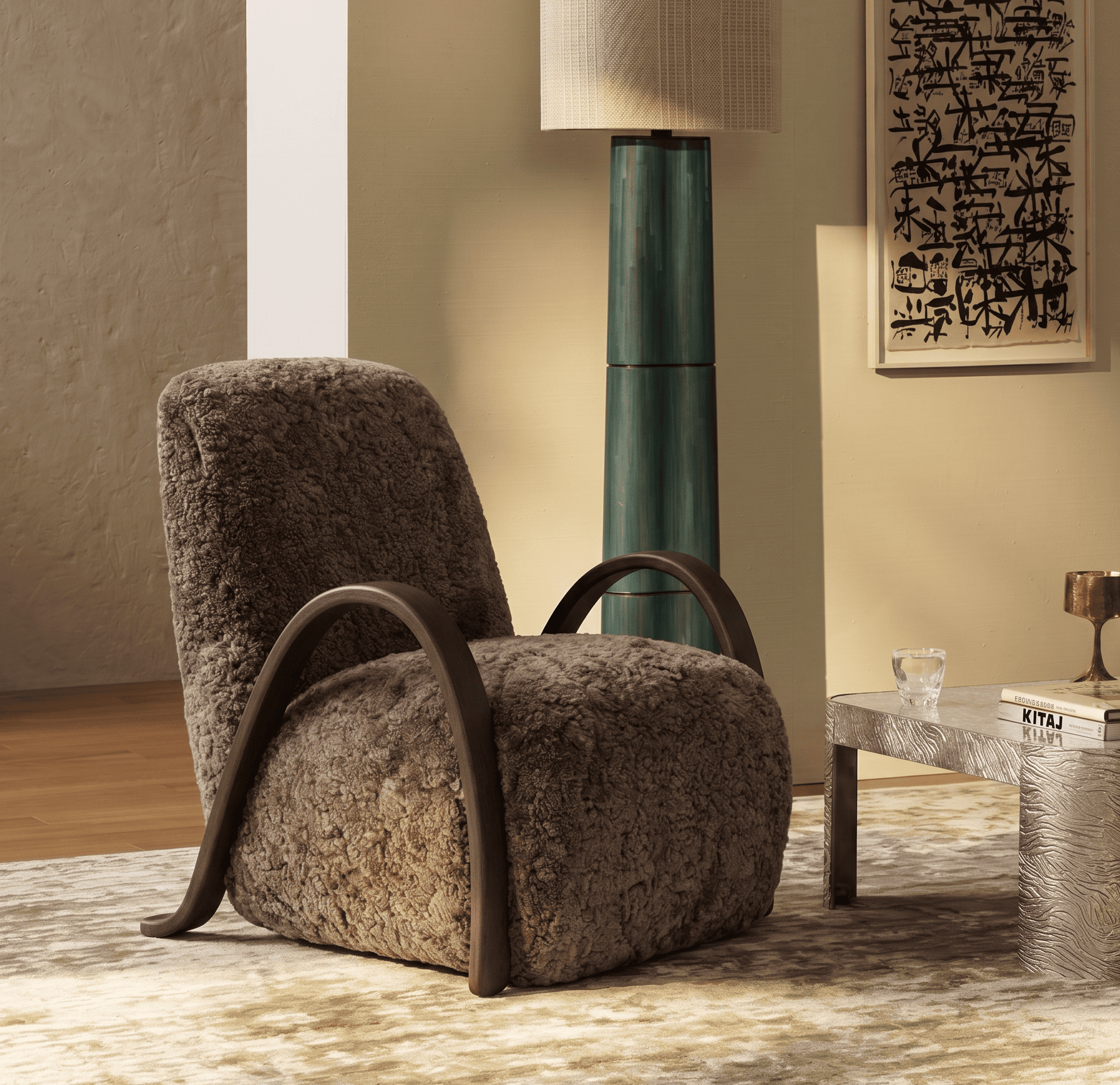
Park Hyatt Jakarta’s 2025 opening, designed by Conran and Partners, set a benchmark for this approach — layering distinctly Indonesian craft and local materials across a contemporary luxury space. As Design Anthology noted, it was “an expression of locality and craft” that used artisanal furniture and hand-finished surfaces to tell the story of its location from the moment guests arrived.
This approach is now filtering into mid-scale boutique properties and design-led restaurants in equal measure. Hotels and F&B operators are briefing interior designers to source furniture that tells a story — pieces with visible material honesty, maker provenance, and the kind of quiet distinctiveness that photographs beautifully but also deepens with age.
Restaurant Furniture: The Unique Specification Challenge
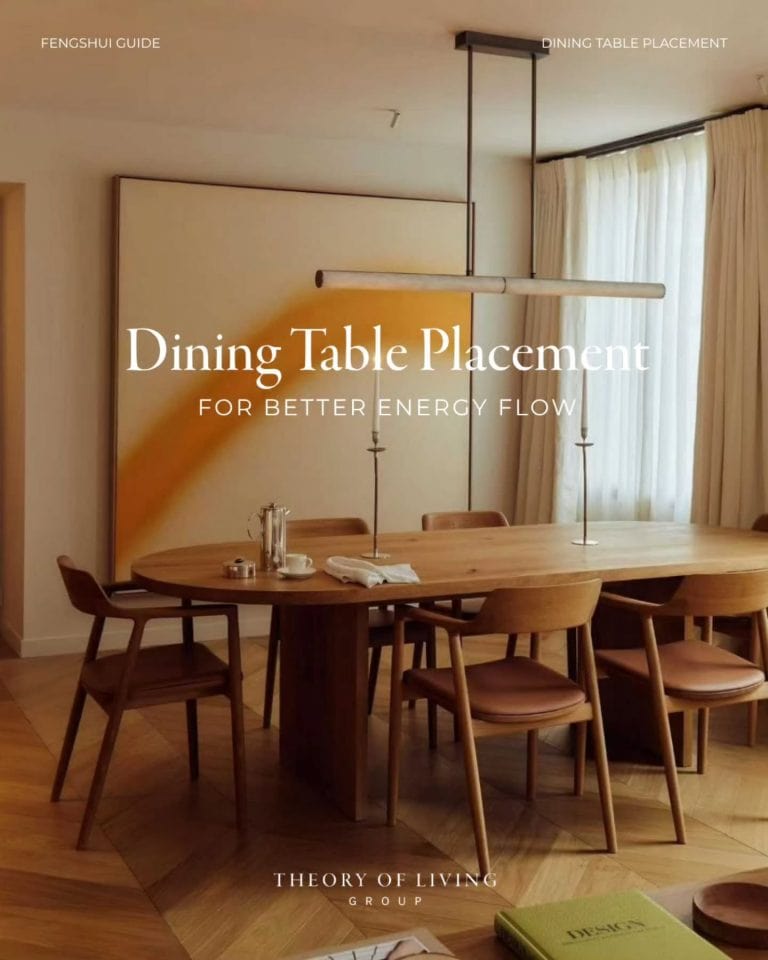
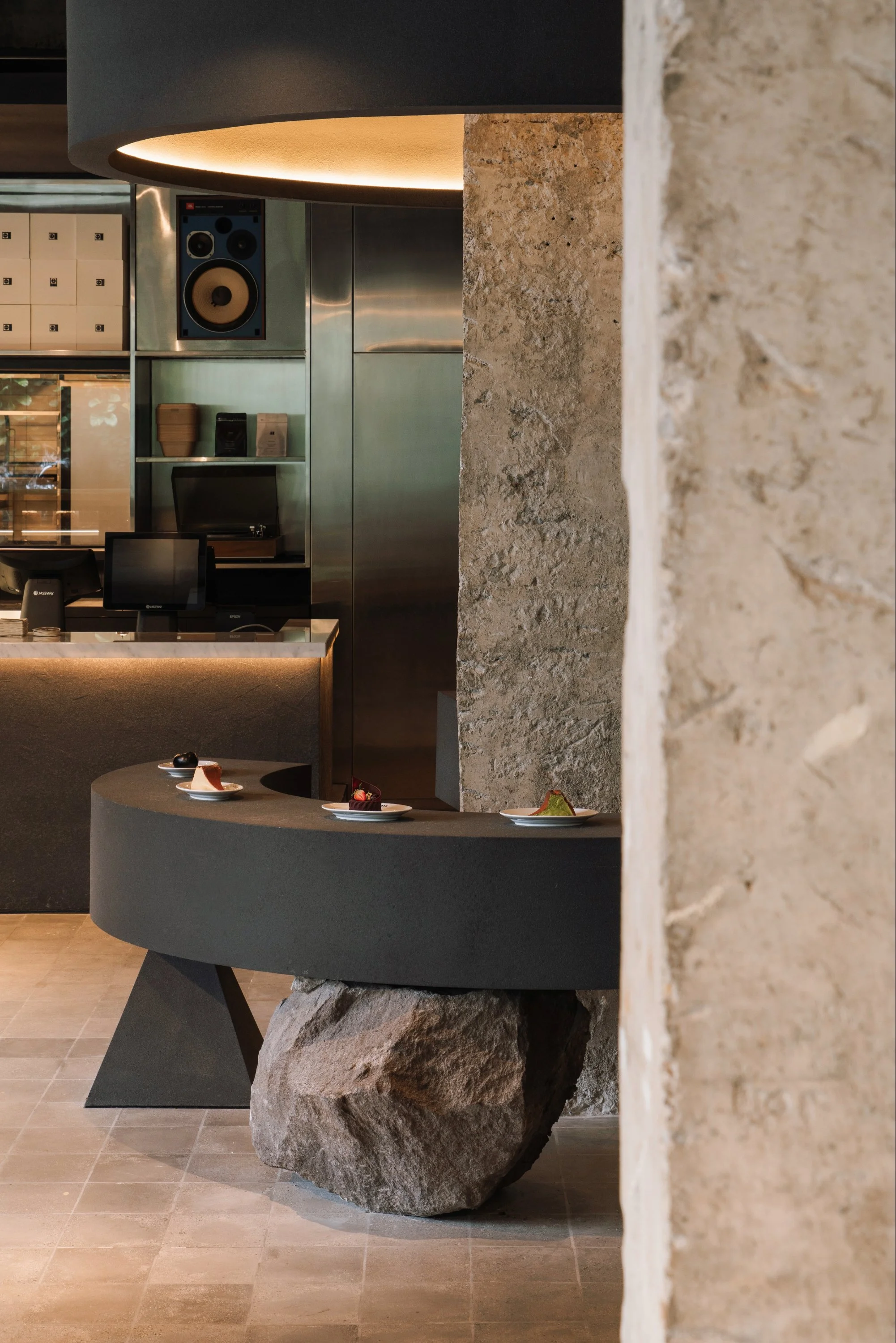
Restaurant interiors present a distinct specification challenge: the furniture must be both beautiful enough to define the room’s identity and robust enough to survive constant commercial turnover — spills, frequent cleaning, the drag and stack of daily service.
For high-end restaurant interiors, the specification priorities tend to be:
- Weight and stackability: Will the chairs need to be stacked or stored daily? Lighter frames with reinforced glides protect both the chair and the floor.
- Cleanability: Performance fabrics with stain-resistant treatments are increasingly standard for dining seating. Performance linen — which replicates the natural texture of raw linen but with enhanced durability — has become a favoured solution.
- Visual weight and proportion: Restaurant chairs must read well from a distance (filling the room with visual warmth and character) while remaining comfortable and appropriately scaled for the table height.
- Lead time and minimum order quantities: For restaurant openings with fixed construction schedules, a supplier’s production capacity and reliability matter as much as the design itself.
Why Indonesia Is the Premier Source for Hospitality Furniture
Indonesia’s position as a global furniture manufacturing hub is the result of several converging advantages: the world’s largest supply of natural rattan, abundant high-quality teak and tropical hardwood, generations of skilled craftspeople, and a design culture that has spent the past decade consciously evolving beyond commodity manufacturing toward design-led production.
For hospitality projects specifically, Indonesian manufacturers offer something that few other regions can match: the ability to produce genuinely artisanal furniture — hand-woven rattan, hand-turned ceramic lamp bases, hand-stitched upholstery — at contract quantities and with the quality controls that commercial specifications demand.
The new guard of Indonesian design, as documented by Design Anthology in their 2026 Indonesia issue, is moving decisively beyond the country’s reputation as a manufacturing base — toward a genuinely creative furniture industry that is shaping global hospitality aesthetics from the inside out.
What to Ask When Sourcing Contract Furniture
Whether you are an interior designer specifying a boutique hotel fit-out, a hotel procurement manager sourcing for a renovation, or a restaurant operator building a new venue, the due diligence questions are the same:
- Can you provide BIFMA or equivalent test reports? BIFMA (Business and Institutional Furniture Manufacturers Association) standards are the global benchmark for commercial furniture durability. Request actual test documentation.
- What is the warranty coverage for commercial use? Residential warranties are meaningless in a contract setting. The warranty must explicitly cover commercial environments.
- What is the lead time and can it be met? Most Indonesian manufacturers operate on 8–14 week production cycles for custom orders. Build this into your procurement schedule from day one.
- Can samples be provided before production? For large hospitality orders, material and finish samples — and ideally a pre-production prototype — are standard practice.
- How is quality controlled through production? Ask about QC processes, inspection schedules, and how defects or non-conforming pieces are handled.
Theory of Living: Designed for Living, Built for Hospitality
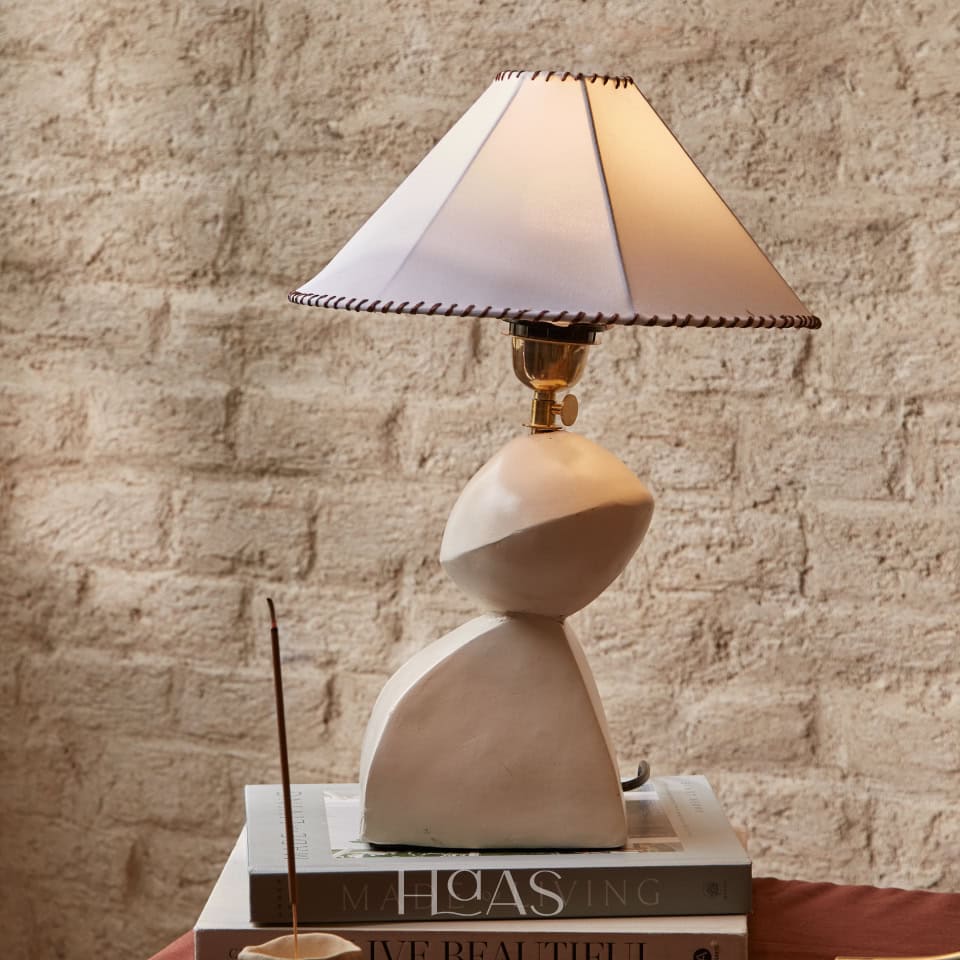
At Theory of Living, our pieces are designed for the way spaces are actually lived in — which means they are also built for commercial environments. Every item in our collection is crafted in Indonesia using traditional techniques and sustainably sourced materials: hand-woven rattan, kiln-dried hardwood frames, performance-rated upholstery fabrics, and hand-thrown ceramic lighting.
We work with interior designers, hotel procurement teams, restaurant operators, and high-end residential contractors across the region. If you are specifying for a hospitality project and would like to discuss trade pricing, lead times, or custom configurations, we would be glad to hear from you.
Curated Selection
Explore the Collection
Whether you are specifying for a hotel lobby, a restaurant floor or a private dining room, these are the pieces our hospitality clients return to — for their durability, craftsmanship and visual authority.

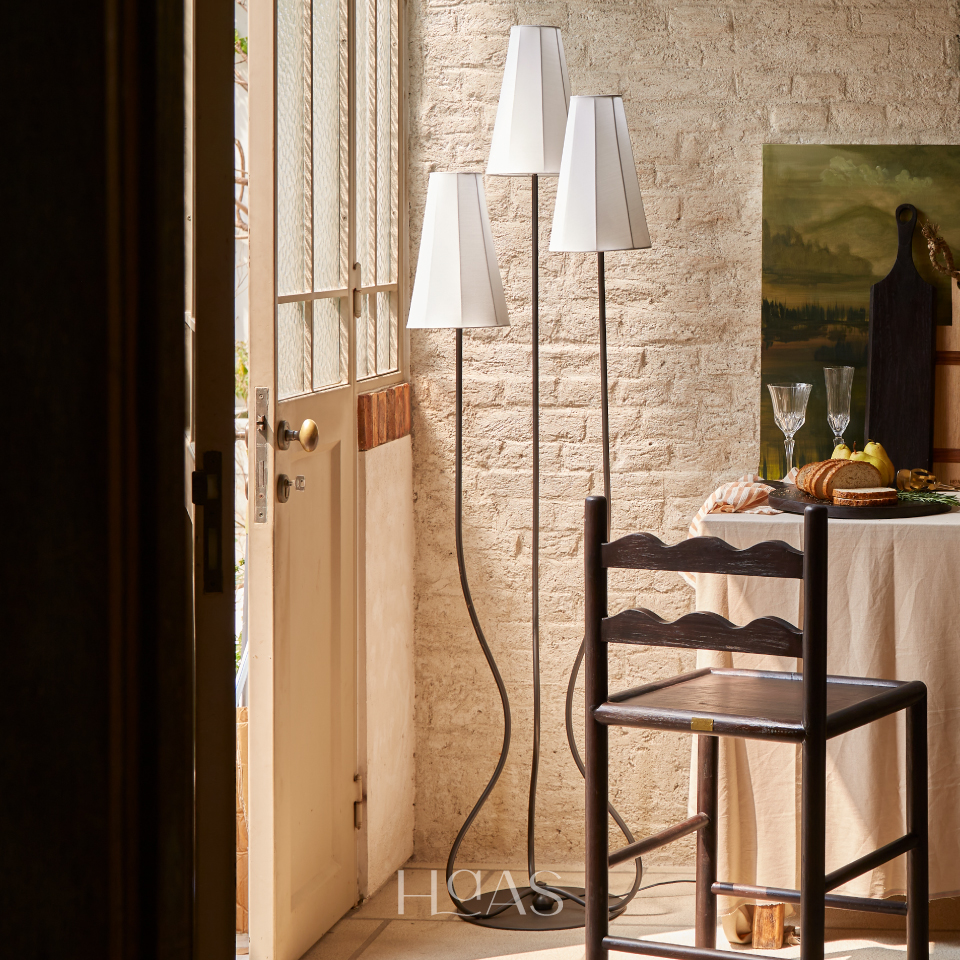
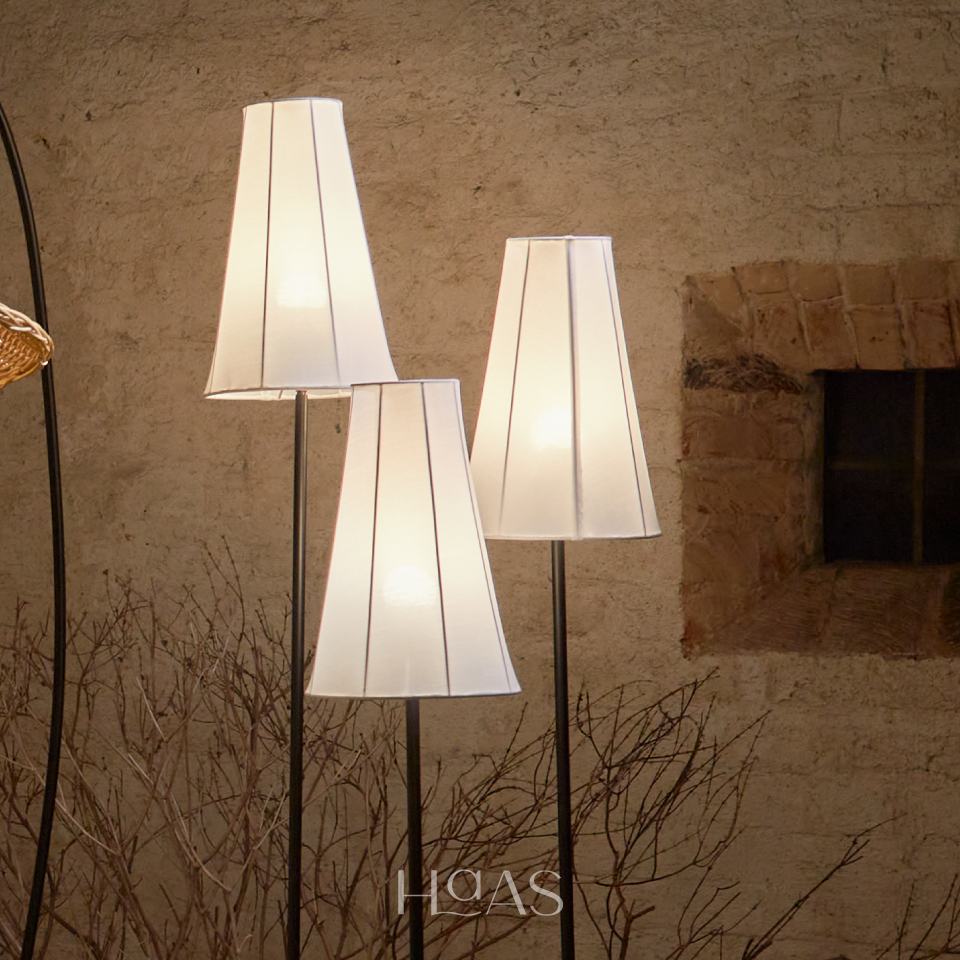
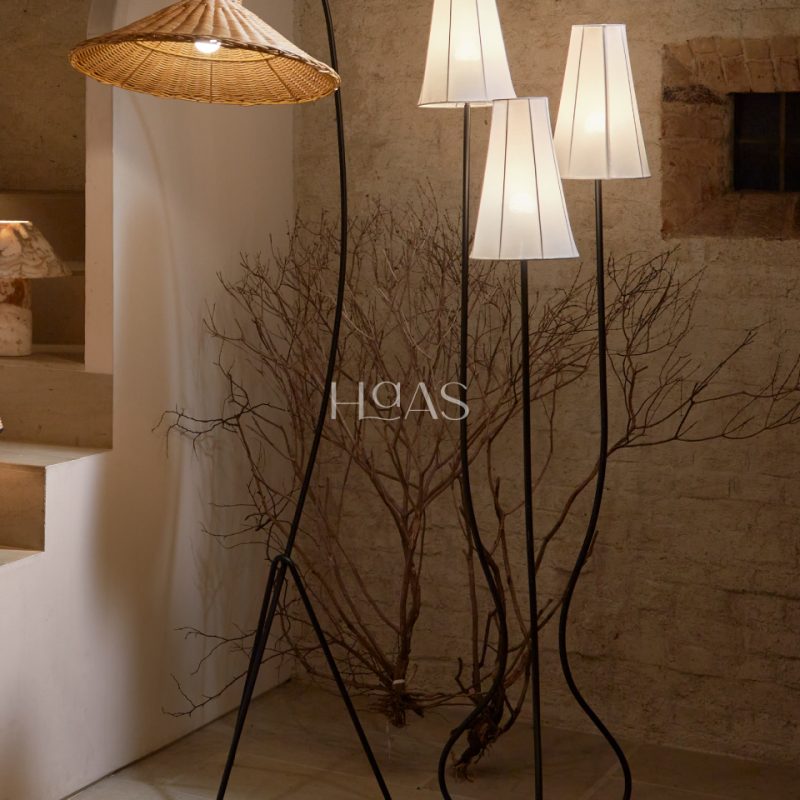
![HAAS Jinara Floor Lamp]()
![HAAS Jinara Floor Lamp]()
![HAAS Jinara Floor Lamp]()
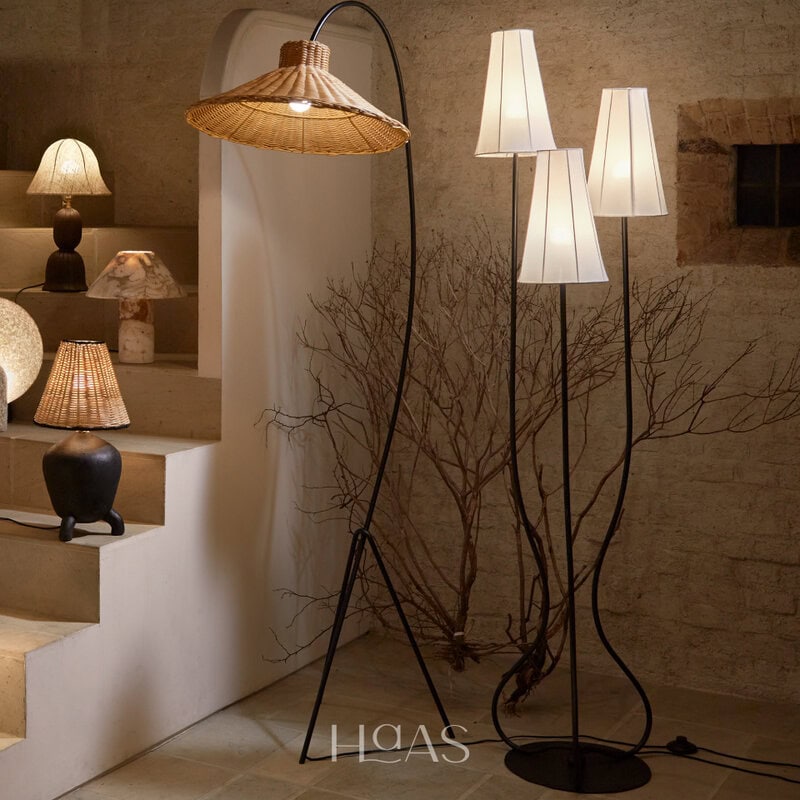
HAAS Jinara Floor Lamp
Rp 4.399.900,00
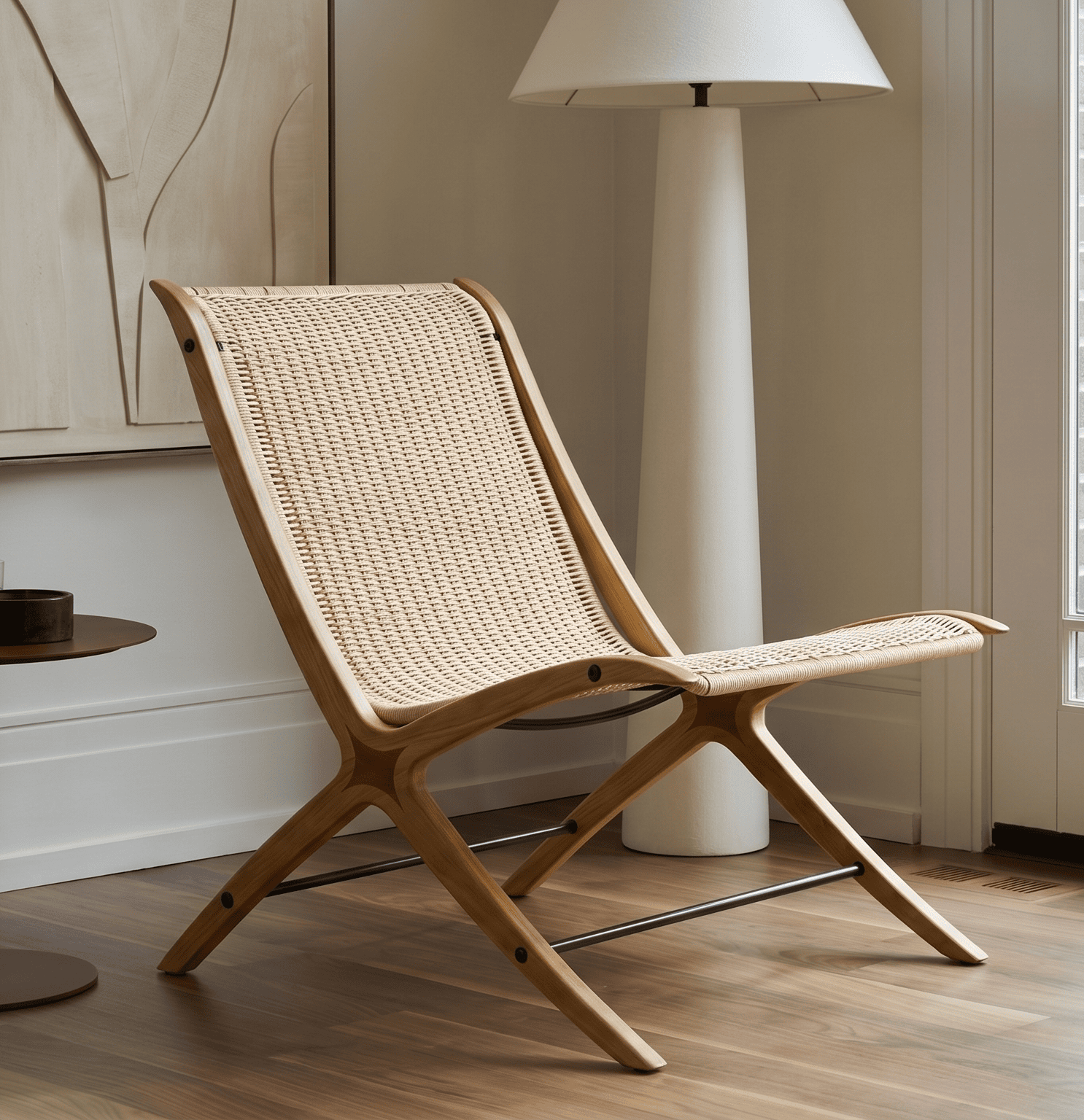
Shoreline Chair
Rp 16.890.000,00
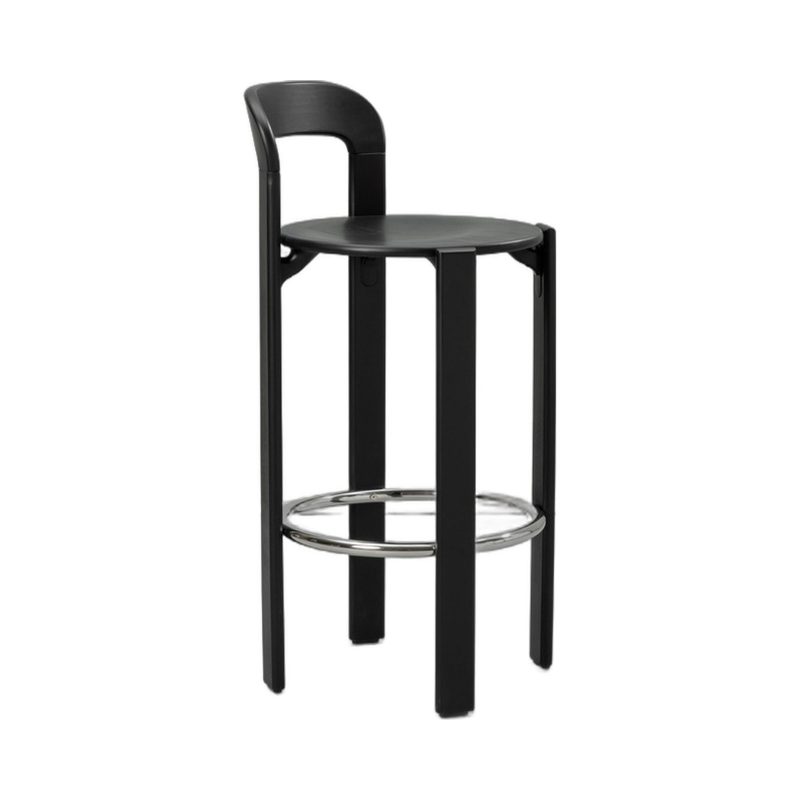
![Jimmy Bar Stool]()
![Jimmy Bar Stool]()
Jimmy Bar Stool
Rp 9.890.000,00
![Myer Bar Stool]()
Myer Bar Stool
Rp 9.890.000,00