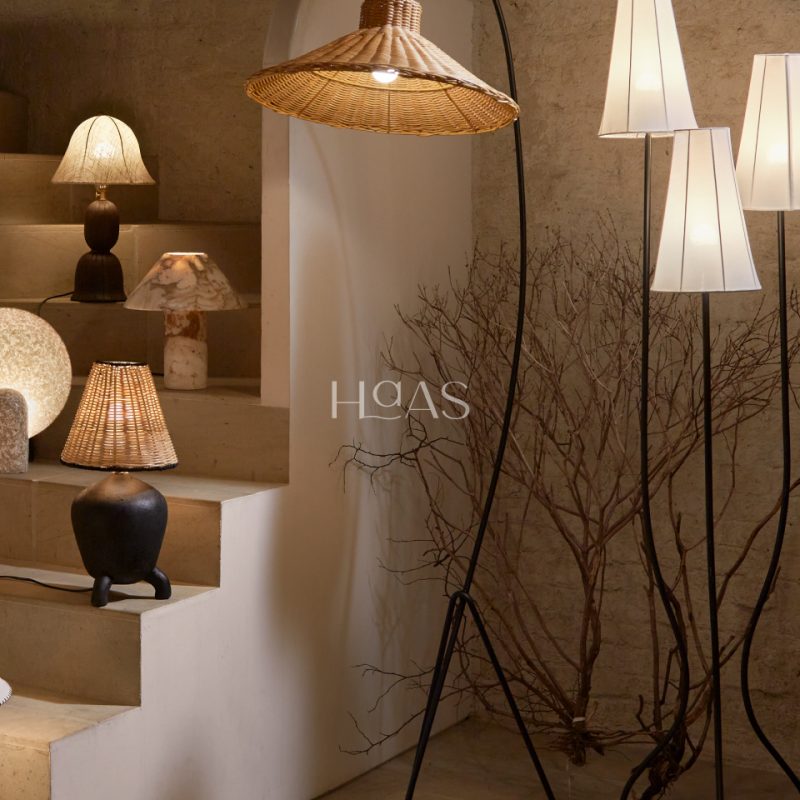
Indonesian design vocabulary appears across the world’s most celebrated interiors — in the rattan furniture of Paris apartments, in the terracotta vessels of New York lofts, in the teak tables of London dining rooms, and in the batik-influenced textiles that recur across global fashion and interiors each decade. It is one of the most borrowed design traditions on earth.
It is rarely credited as such.
This is a post about what Indonesian design actually is, where it comes from, and how to bring it into a contemporary home in a way that honours rather than merely appropriates the traditions behind it.
Rattan: A Material Tradition 400,000 Tonnes Deep
Indonesia is the world’s largest producer of rattan — a climbing palm that grows naturally across the tropical forests of Sumatra, Kalimantan, Sulawesi, and Java. The country’s production capacity reaches up to 400,000 tonnes per year, supplying approximately 80% of the world’s rattan raw material.
The craft tradition built around this material stretches back centuries. Rattan weaving — for furniture, baskets, architectural screens, and domestic objects — is embedded in the daily life and economic structure of communities across the Indonesian archipelago. The techniques are regional, the patterns are often specific to particular areas, and the quality of the work produced by skilled Indonesian rattan craftspeople is, at its best, extraordinary.
In contemporary interiors, rattan is used most effectively when it is treated as the natural material it is rather than styled to look like something else. Natural honey or warm amber tones, a visible weave structure, the slight irregularities that indicate hand-work — these are what distinguish Indonesian rattan furniture from its synthetic resin imitations, and they are what give it lasting visual authority.
Batik: UNESCO-Recognised, Widely Misunderstood
In 2009, UNESCO inscribed Indonesian batik on its Representative List of the Intangible Cultural Heritage of Humanity. The recognition acknowledged not just a textile technique but an entire cultural system: the philosophy embedded in patterns, the social significance of specific motifs, the transmission of knowledge between generations of batik makers across Java and beyond.
Batik is a wax-resist dyeing process applied to cloth — typically cotton or silk — using a canting (a small copper tool for hand-drawn work) or a cap (a stamped block for more repetitive patterns). Hand-drawn batik (batik tulis) can take months to complete for a single length of cloth; the patterns in the most complex pieces carry layered meaning related to cosmology, social status, life stages, and regional identity.
In interiors, batik works best as an accent material: cushion covers, a small upholstered stool, a framed length of cloth as wall art. The patterns are visually rich enough that they do not need company — one batik piece in a room of quiet neutrals carries the entire cultural reference without overwhelming the space.
Teak: The Standard Against Which Other Hardwoods Are Measured
Teak (Tectona grandis) is native to South and Southeast Asia, and Indonesia has been a primary source of quality teak for centuries. The wood’s reputation rests on its unique combination of properties: natural oil content that makes it resistant to water, insects, and rot without treatment; exceptional hardness and density; a straight, even grain that works beautifully for furniture and joinery; and an ageing quality — from warm honey indoors to a distinguished silver-grey outdoors — that few other timbers can match.
The sustainability picture is more complex than the material’s reputation suggests. Old-growth teak from Indonesian forests carries significant environmental concerns; plantation-grown teak from certified Indonesian suppliers (FSC-certified) is a genuinely sustainable alternative that produces timber of comparable quality after 25–40 years of growth. When purchasing teak furniture, verifying the supply chain is not optional — it is the difference between a material that has a future and one that is consuming its own.
In contemporary interiors, teak reads as warm and authoritative. A teak dining table, a teak bench in an entry, a teak-framed mirror — these pieces anchor a room without demanding attention, aging beautifully into the space rather than out of it.
Terracotta and Ceramics: From Lombok to the Living Room
Indonesian ceramics have a distinct regional character. Lombok, in particular, is known for its distinctive unglazed terracotta pottery — hand-formed using techniques passed down through generations of female potters in villages around the Pejaten area. The forms are simple, the surfaces are textured and slightly rough, and the warm burnt-orange tone of the local clay is immediately recognisable.
These qualities — simplicity, tactility, warmth, the visible trace of the hand — are precisely what contemporary interiors value most. An Indonesian pottery vessel on a sideboard, a series of terracotta pots near a window, a handmade ceramic lamp base: these objects bring into a room the qualities that machine-made objects cannot replicate.
The broader ceramics tradition across the archipelago — from the blue-and-white Chinese-influenced ware of coastal trading communities to the sculptural clay vessels of the Javanese interior — provides a rich vocabulary of forms for contemporary use. Choosing pieces made by Indonesian potters, sourced directly or through responsible importers, supports a living craft tradition rather than extracting from it.
Colour from the Archipelago
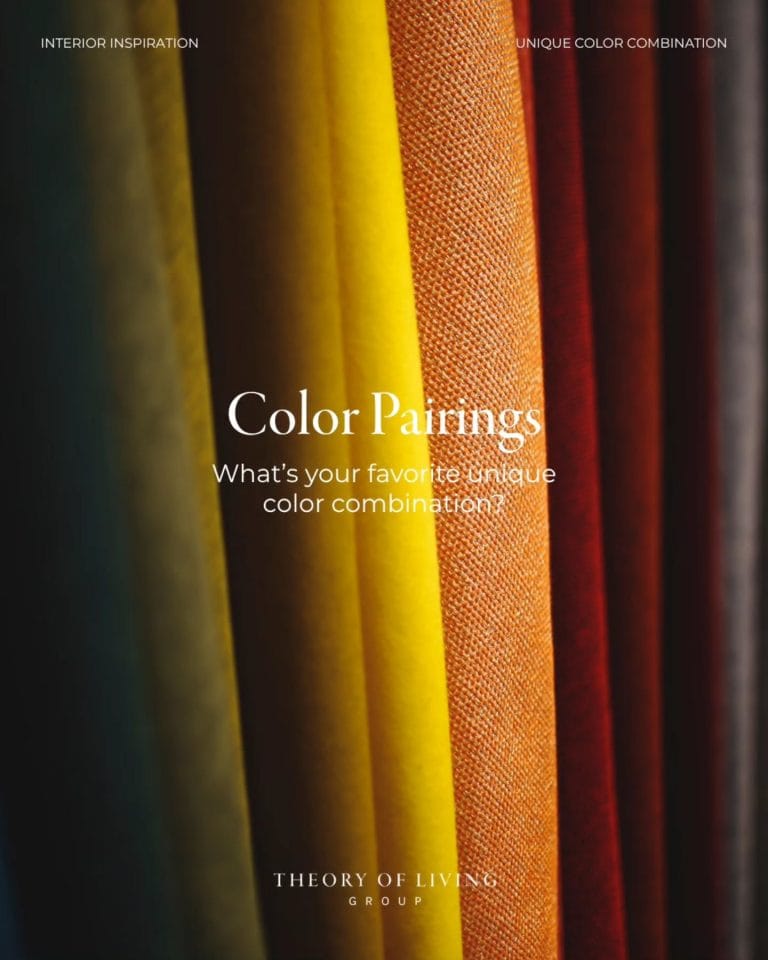
Indonesian textiles and crafts carry a colour vocabulary that is distinct from the neutral palettes that have dominated Western interiors for the past decade — and increasingly influential on them. Turmeric yellow, clove brown, indigo blue, terracotta red, the deep green of tropical foliage, the faded coral of tropical sunsets: these are the colours of batik, of traditional weaving traditions from across the islands, of the natural dye plants that have been cultivated in Indonesia for centuries.
In a contemporary interior, these colours work best as accents within a quieter palette — a turmeric-toned cushion in a room of warm whites and oatmeal, a deep indigo batik piece against a limewashed wall, a terracotta vessel among the natural tones of a materials-led room. The richness of these colours does not need quantity to have impact.
Modern Integration
The most respectful and effective approach to Indonesian design in a contemporary home is not to recreate an Indonesian interior — it is to honour specific elements of Indonesian craft in a space that reflects your own context. A rattan chair that references an Indonesian material tradition does not require batik cushions and teak shelves to complete the reference. The piece itself is enough.
What matters is knowing the source: understanding that the chair was made by a craftsperson using a material tradition with centuries behind it, choosing it for that reason rather than simply for its aesthetic, and caring about whether the people who made it were paid fairly for their work.
Theory of Living was built on this principle. Our collection draws directly on Indonesian craft traditions — rattan, pottery, natural stone — and our relationships with the makers behind each piece are central to how we operate. Celebrating Indonesian design means knowing where it comes from.
Curated Selection
Shop the Look
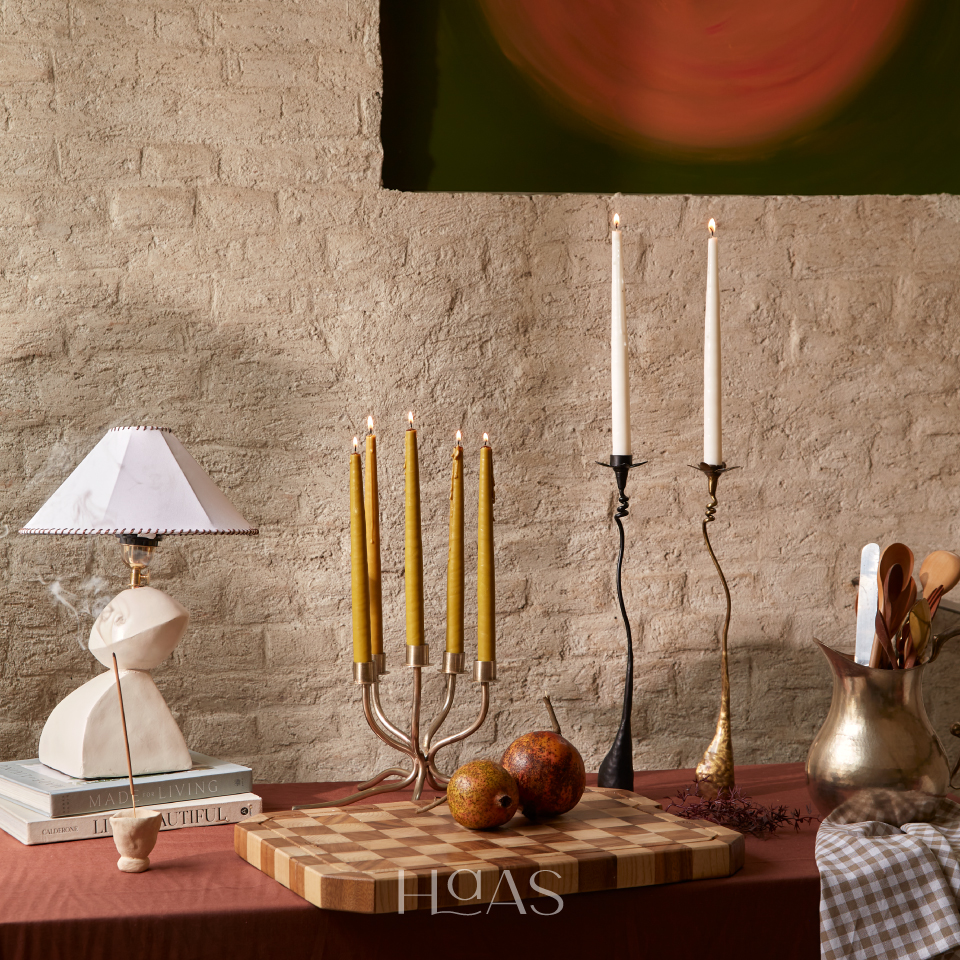
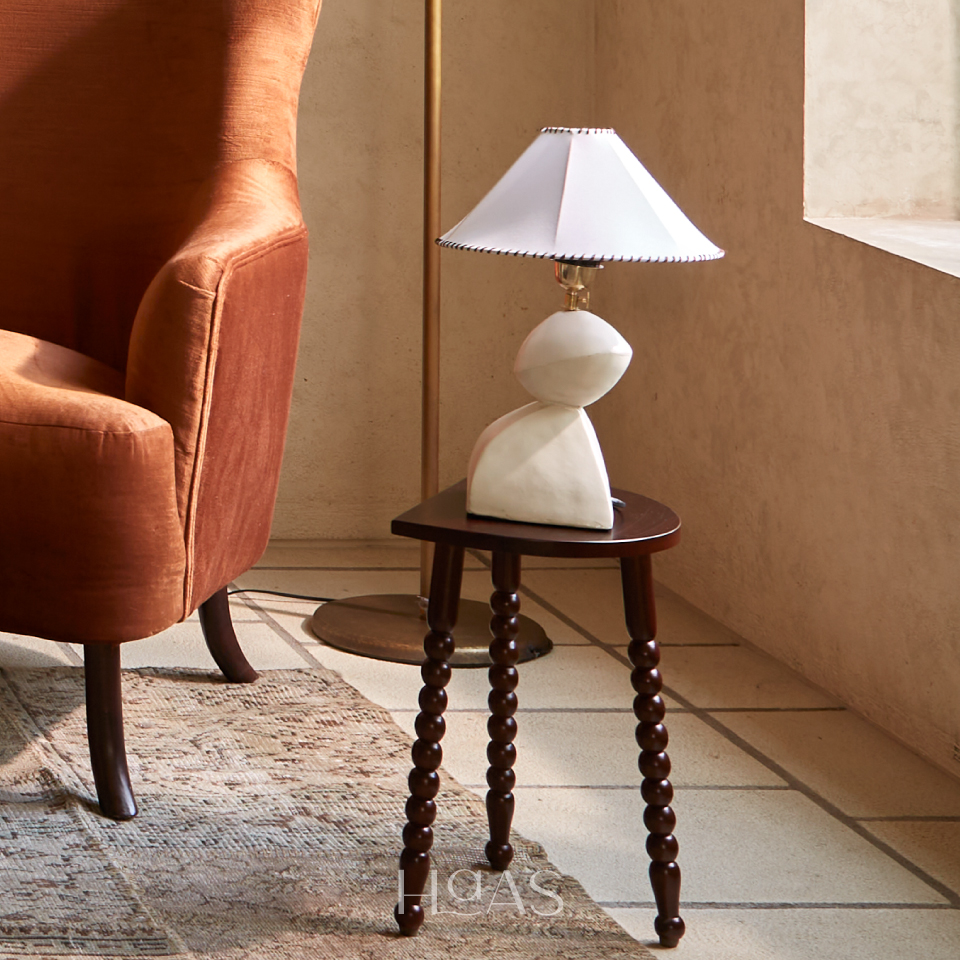
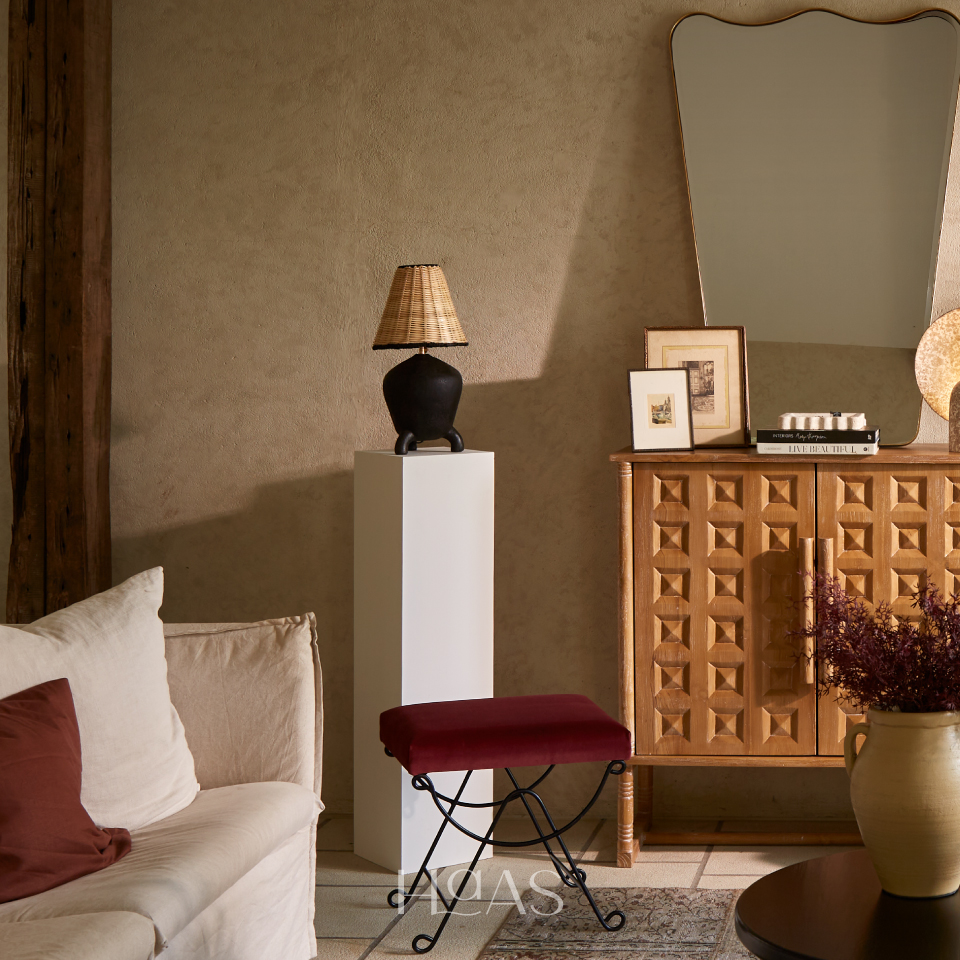
Celebrate the richness of Indonesian design — natural rattan, handcrafted lighting that draws on the archipelago’s heritage, and textiles that ground the space in warmth.

Weston Series WY-02
Price range: Rp 303,18 through Rp 861,18Millo Stool
Rp 799,18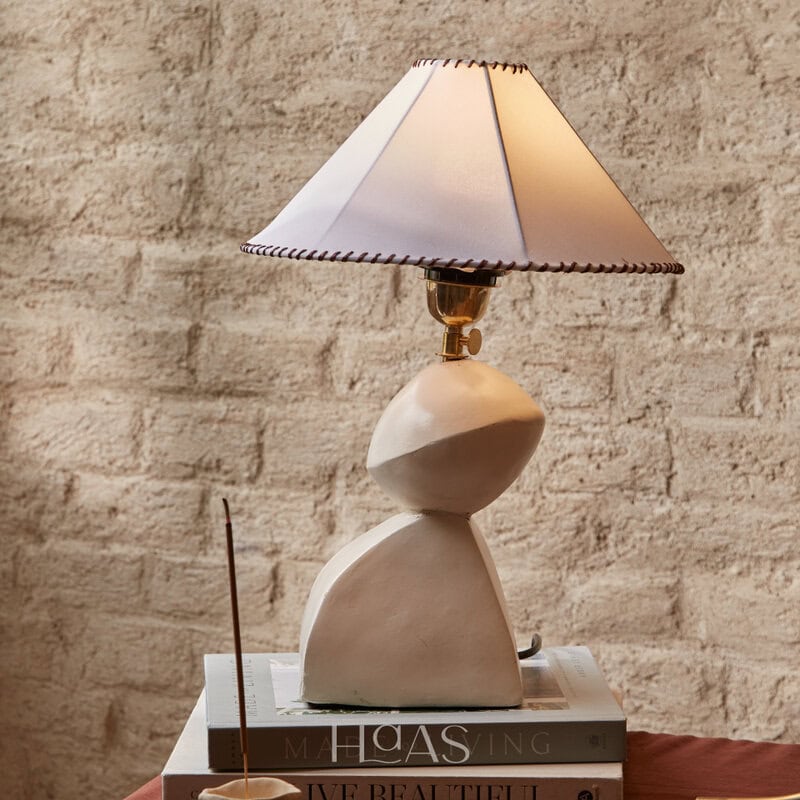
![HAAS Nusa Table Lamp]()
![HAAS Nusa Table Lamp]()
![HAAS Nusa Table Lamp]()
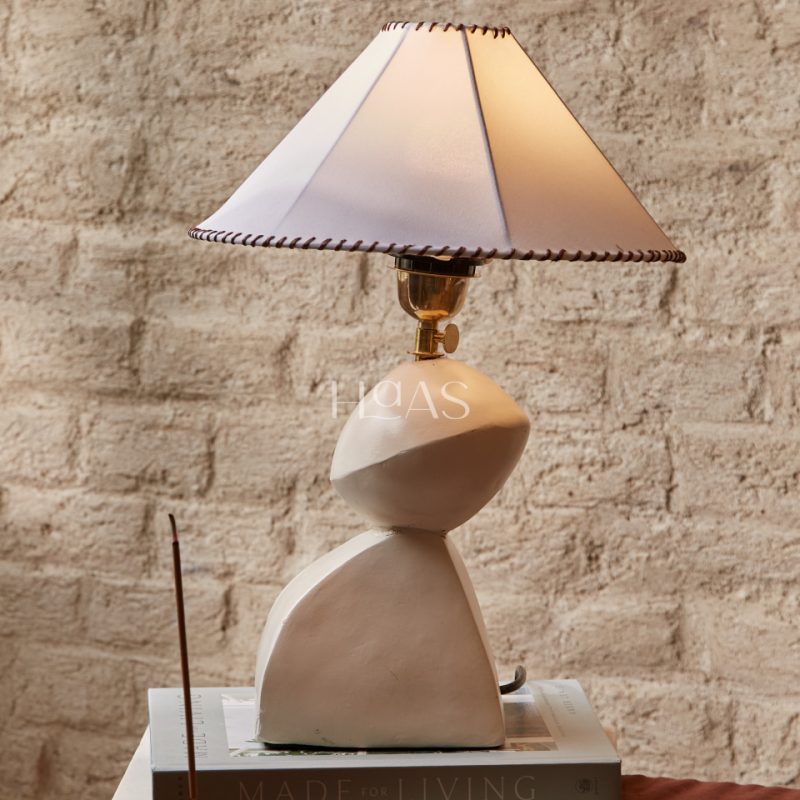
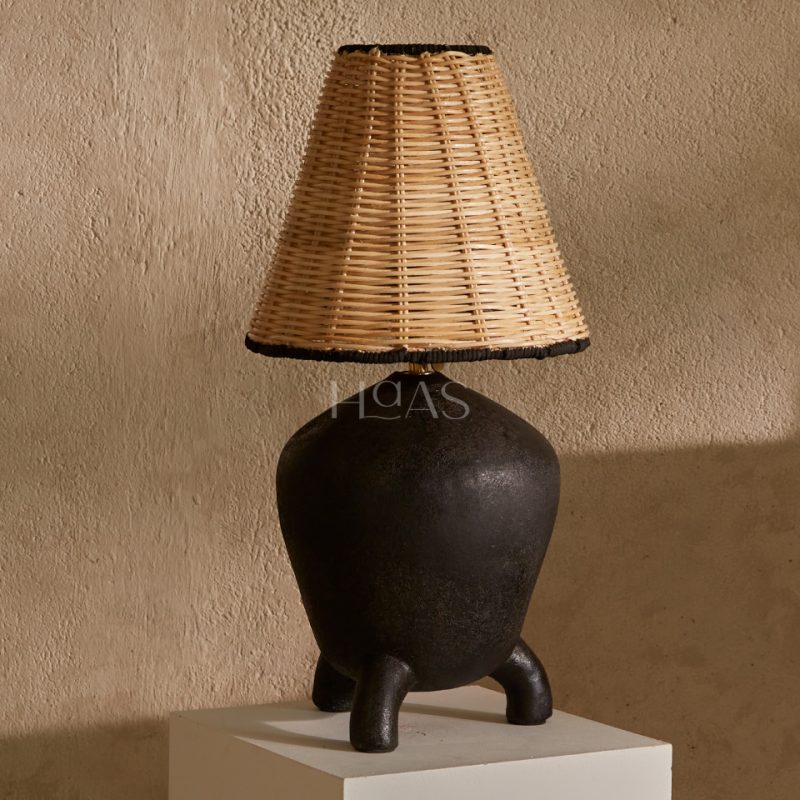
HAAS Nusa Table Lamp
Rp 130,19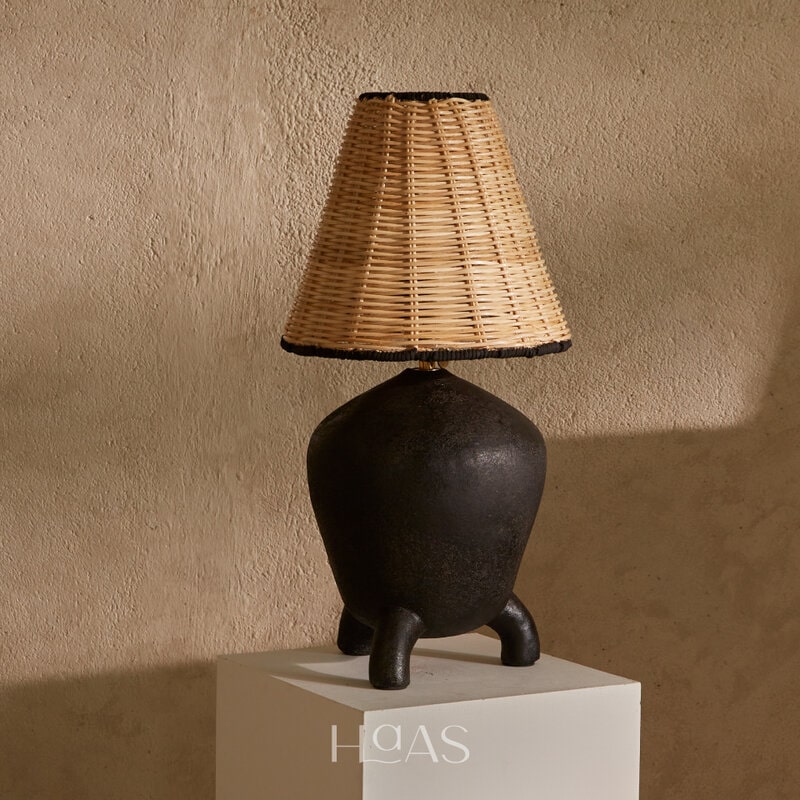
![HAAS Tumbuh Table Lamp]()
![HAAS Tumbuh Table Lamp]()
![HAAS Tumbuh Table Lamp]()
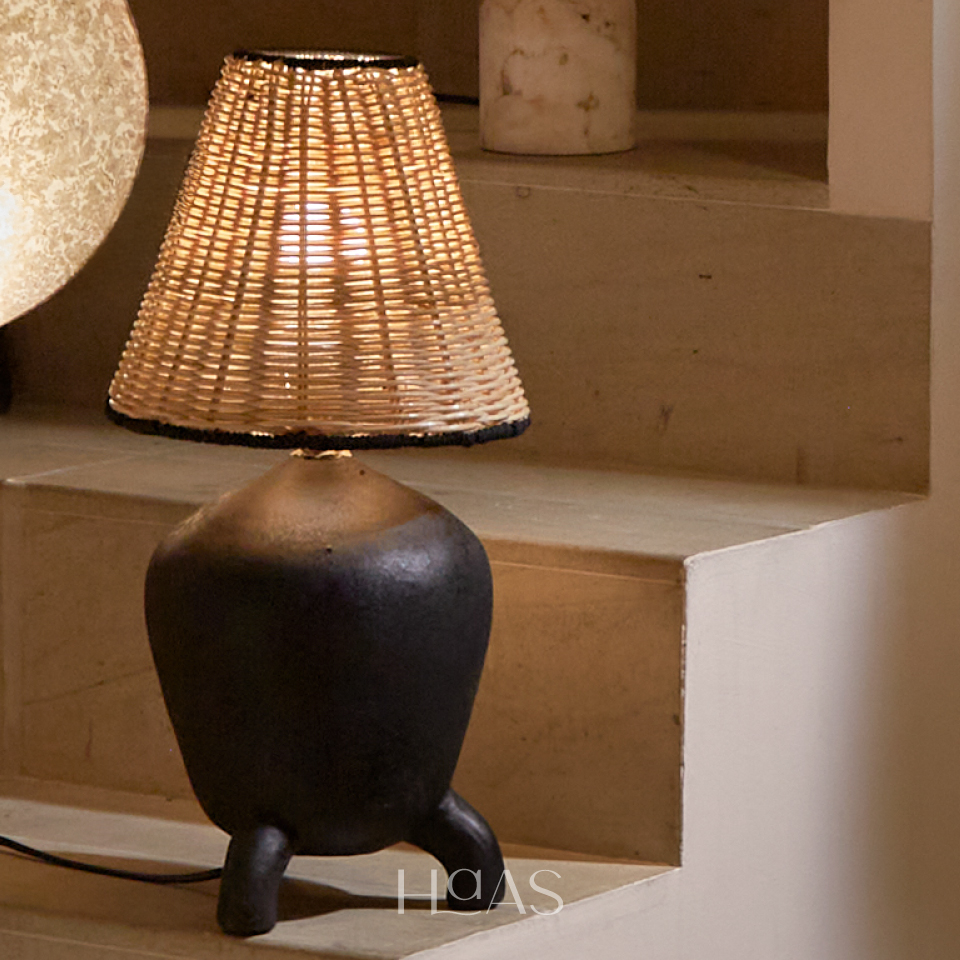
HAAS Tumbuh Table Lamp
Rp 130,19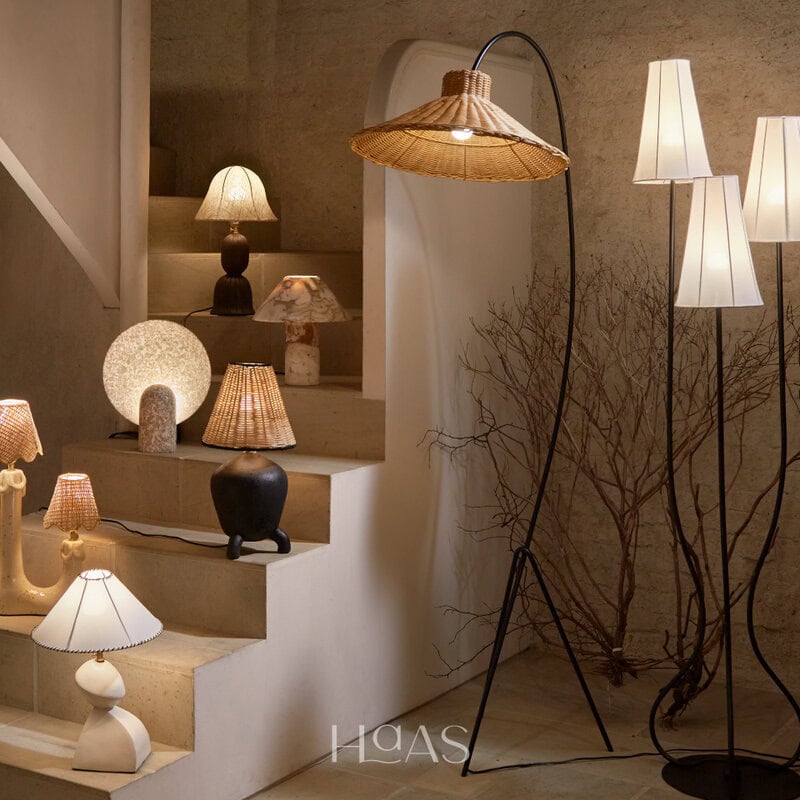
![HAAS Langit Arc Lamp]()
![HAAS Langit Arc Lamp]()
![HAAS Langit Arc Lamp]()
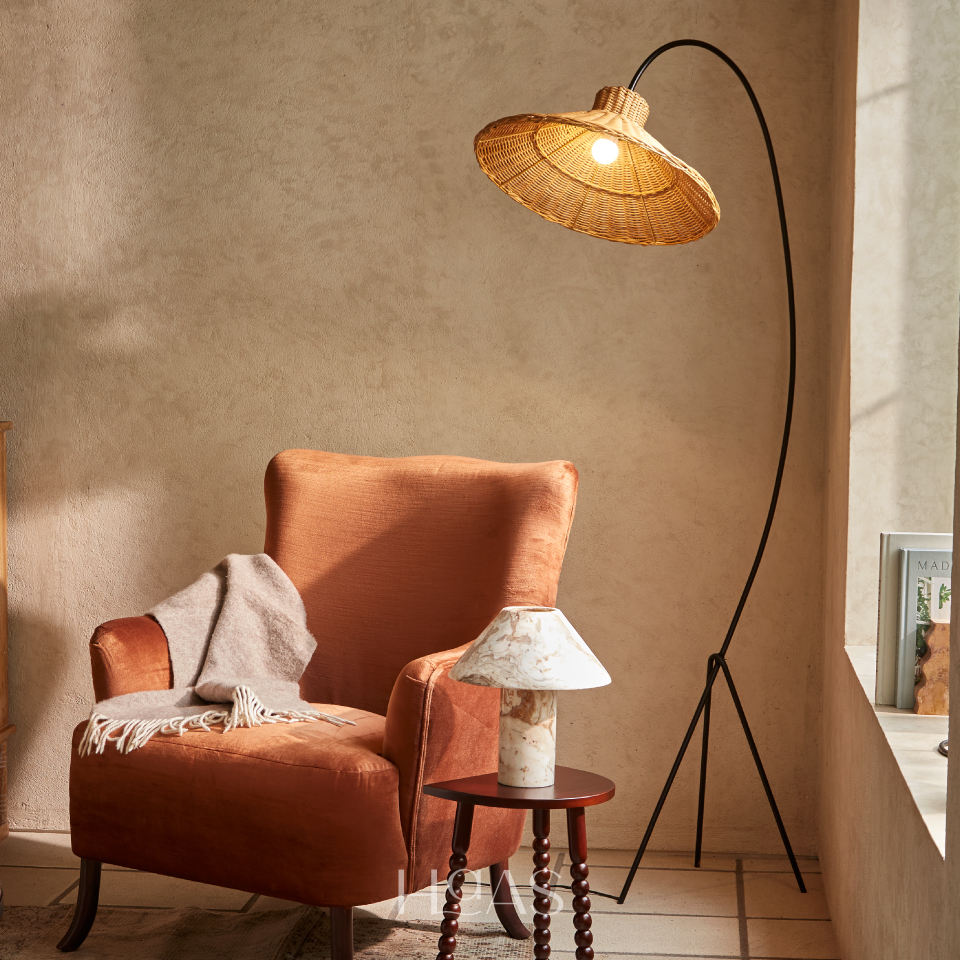
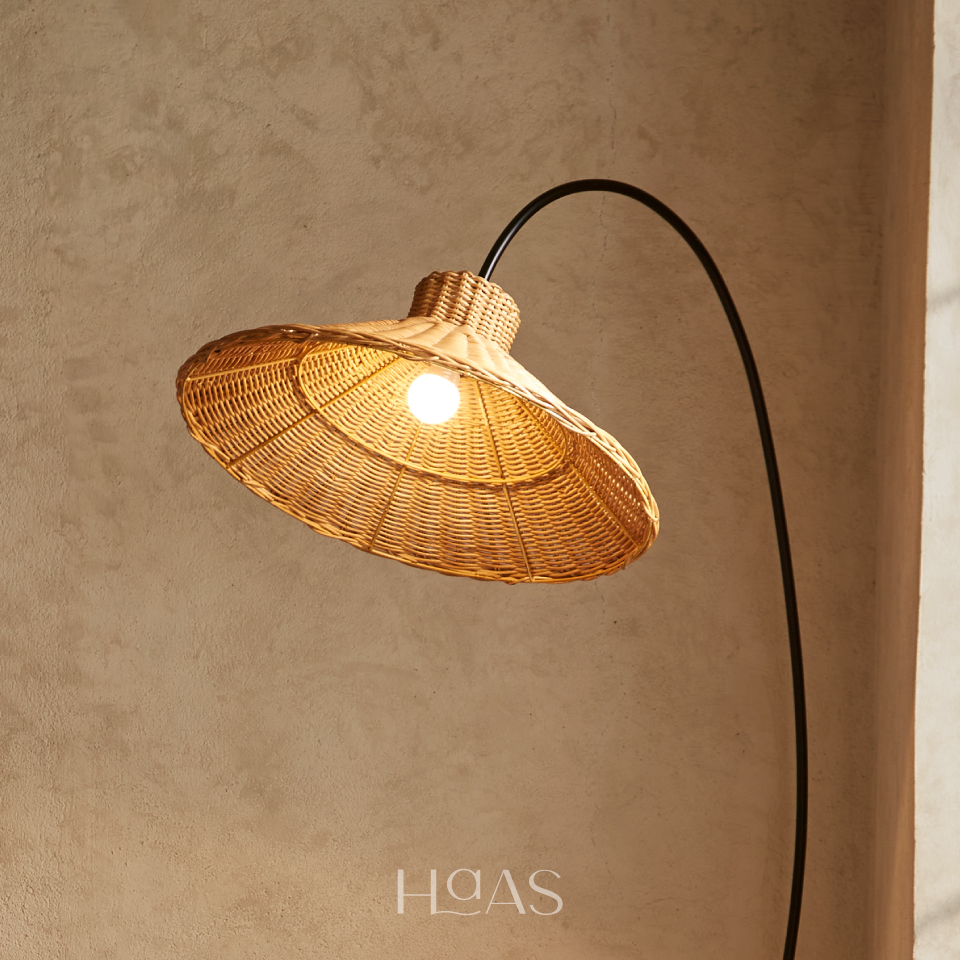
HAAS Langit Arc Lamp
Rp 266,59
Kelith Lounge Chair
Rp 1.171,18