The sofa is the most consequential purchase in any living room. It sets the scale of the space, determines how the room is used, and — because a well-made sofa should last between seven and fifteen years — it will outlive most of the other decisions you make. Getting it right matters. Getting it wrong is expensive and slow to fix.
This is a practical guide to making that decision well.
Start With Scale
Before considering style, colour, or fabric, measure. A sofa should occupy roughly two-thirds of the wall it sits against — enough to anchor the room without consuming it. In a living room that doubles as a circulation route, leaving 90cm of clearance behind a sofa and at least 45cm between the sofa and a coffee table will keep the space functional.
Seat depth is the dimension most buyers underestimate. A seat depth of 53–61cm suits most people for upright sitting; if you prefer to curl up or recline, look for 65cm or deeper. Seat height — typically 43–48cm — affects both comfort and the visual weight of the piece. Lower seats feel more relaxed and contemporary; higher seats read as more formal and are easier to get in and out of.
One practical rule: bring a tape measure and masking tape to any showroom visit. Mark out the sofa’s footprint on your floor at home before ordering. The difference between a sofa that works and one that overwhelms is often a matter of 20cm.
Shape: Choosing the Right Configuration
The three most common configurations each serve a different spatial logic.
The three-seater is the most versatile. It suits rooms of almost any proportion, can be paired with a lounge chair for a collected, non-matching look, and allows for clear sightlines across the space. For rooms under 4.5 metres in length, the three-seater is nearly always the right answer.
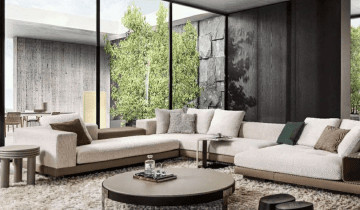
The modular sectional is 2026’s most popular configuration — largely because of its adaptability. Individual modules can be rearranged as life changes, extended when needed, and reduced when moving. The trade-off is visual weight: a large sectional can overwhelm a modest room, and its generous scale tends to anchor a specific corner rather than allow flexibility in arrangement.
The two-seater or loveseat works well in secondary seating areas, studies, or paired with a second two-seater in a large living room for a more formal, balanced arrangement. On its own in a main room, it rarely provides enough seating for a household.
Construction: What to Look For Beneath the Cushions
The quality of a sofa is almost entirely invisible from outside it. This is why construction details matter, and why buying a sofa without understanding what is inside it is a significant risk.
The frame should be kiln-dried hardwood — beech, oak, or ash are all appropriate. Kiln-drying removes moisture from the timber, preventing warping and movement over time. Avoid frames described as “wood” without specifying the species; this often means softwood or engineered wood products that will flex and creak within a few years.
The suspension system supports how the cushions feel under weight. Eight-way hand-tied springs — where each spring is individually knotted to its neighbours in eight directions — provide the most consistent, durable support and are a reliable indicator of craft-quality construction. Sinuous spring systems (S-shaped metal strips) are adequate in mid-range sofas; foam-only bases should be reserved for guest or tertiary seating.
Cushion fill determines how the sofa feels and maintains its shape. High-density foam (minimum 1.8lb density) provides structure and longevity. A feather-wrapped foam core combines the support of foam with the softness of feather without the full maintenance requirements of feather-only cushions. Pure feather cushions are luxurious but require daily plumping and lose definition quickly.
Fabric: The Decision That Drives Everything Else
The right fabric depends on how the sofa will be used — and being honest about this before falling in love with a material will prevent significant regret.
Performance linen is the most versatile choice for everyday living rooms. It reads as natural and unhurried, suits most interior styles, and is significantly more durable than pure linen. It does not pill, does not attract pet hair the way velvet does, and develops an appealing softness with use rather than deteriorating.
Velvet is beautiful in formal or secondary living spaces. It photographs exceptionally well and provides a richness that linen cannot match. Its limitations are practical: it shows every mark, attracts pet hair aggressively, and requires careful cleaning. In a room used daily by a household with children or animals, velvet is likely to disappoint.
Bouclé is having its moment — and used well, it deserves it. The looped texture is forgiving of marks, adds visual interest without pattern, and suits both contemporary and organic modern interiors. Choose a tight weave over a loose one for durability.
Leather is the most durable option for households with heavy daily use. Full-grain leather improves with age, developing a patina that synthetic and corrected-grain leathers cannot replicate. The initial investment is higher; the long-term cost per year of use is often lower than frequently replaced fabric sofas.
Legs and Visual Weight
The legs of a sofa are a detail that has an outsized effect on how a room feels. Raised legs — particularly tapered ones in natural wood or metal — lift the sofa visually, allow light and air to pass beneath it, and make the room feel larger. Sofas that sit flush with the floor are heavier, more grounding, and create a more enveloping, intimate atmosphere.
Neither is wrong; both are choices. A low-slung sofa in a large room with high ceilings feels considered and contemporary. The same sofa in a small room can make the space feel compressed. When in doubt, choose legs.
Five Common Mistakes
Buying before measuring — and then discovering the sofa does not fit through the door or overwhelms the room. Buy online without checking seat depth, which photographs identically across wildly different dimensions. Choosing fabric before deciding on colour — the sequence should be texture first, then colour. Oversizing in the belief that more seating is always better; a room with one quality sofa and one quality lounge chair functions better than a room filled with adequate seating. And finally: ignoring leg clearance, which determines whether you can clean beneath the sofa and affects the visual weight of the entire piece.
Invest Once, Live Well
A sofa bought with care — for its construction, its scale, and its material — will earn its place in a room for a decade or more. It will not need replacing when trends shift. It will not sag within three years. It will age into the room rather than out of it.
The lounge chairs in the Theory of Living collection are designed to work as companions to any quality sofa — adding a second seating position with a distinct material or form, and giving the room the collected, un-matched quality that characterises a considered interior.
Curated Selection
Shop Our Sofa Collection
Discover the sofa that suits your space — from compact love seats to sculptural statement pieces, each crafted for lasting comfort and quiet elegance.
Nami Sofa
Rp 3.799,98Marco Sofa
Rp 6.118,78Willy Sofa
Rp 4.754,78Marion Sofa
Rp 7.780,38Camille Sofa
Rp 3.222,76Nora Side Table
Rp 1.109,18