There is a growing body of evidence that the spaces we live in shape how we think, feel, and recover. Biophilic design is the field that takes this seriously — and in 2026, it has moved well beyond the plant shelf into something more considered, more structural, and more genuinely effective.
A 2025 neuropsychological study found that short-term exposure to biophilic indoor spaces reduced activity in the brain’s dorsolateral prefrontal cortex — the region associated with cognitive-emotional overload — and that participants reported measurably less fatigue, anxiety, and mental effort. Homes with documented biophilic features are currently fetching an 8% price premium in major markets. The science and the market are pointing in the same direction.
What Biophilic Design Actually Means
Biophilic design is not interior decorating with houseplants. The term — from the Greek bios (life) and philia (love of) — describes a design philosophy rooted in the human need for connection with natural systems. It is about how a space breathes, how it moves, how it sounds, what it is made of, and how it manages light and air — not just what it looks like from across the room.
In practical terms, biophilic design draws on three categories of experience: direct connection with nature (living plants, water features, natural light, fresh air), indirect connection with nature (natural materials, nature-inspired forms, organic textures), and spatial conditions that evolved alongside natural environments (prospect views, refuge spaces, sheltered openings).
The 2026 Shift: From Visual to Multisensory
The defining evolution in biophilic design for 2026 is the move from visually driven gestures toward multisensory environments. A wall of plants reads beautifully in a photograph; an interior that manages acoustics with natural materials, filters light through linen curtains, grounds the body with a textured wool rug, and maintains the ambient smell of natural wood — that is something you feel.
Sound-absorbing finishes made from natural fibres, quieter mechanical systems, water features as acoustic elements — these are the details that define serious biophilic interiors in 2026. The goal is not to stage nature but to allow a space to be genuinely restorative.
Natural Materials as a Design Foundation
Materials are the most accessible entry point for biophilic interiors. The key is to choose materials that genuinely reference natural processes — not just in colour or visual pattern, but in texture, weight, and the way they change over time.
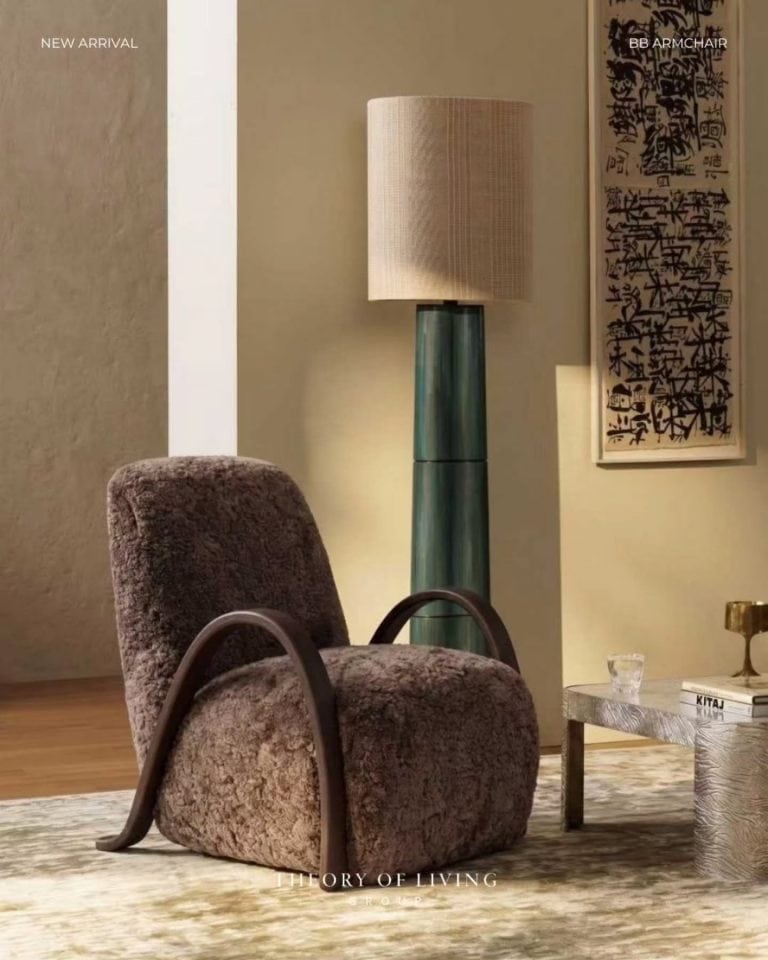
Reclaimed wood introduces irregular grain and accumulated history. Natural stone — travertine, limestone, slate — brings geological time into the room. Rattan and woven natural fibres carry the structure and lightness of plant material. Wool, jute, and sisal provide warmth underfoot and the softness of organic texture against hard floor surfaces.
Limewash and natural plaster finishes deserve particular mention. Applied to walls, they create a surface that shifts in light — darker when wet, chalky when dry, always slightly uneven in a way that feels alive rather than manufactured. This quality of movement is central to what makes biophilic materials different from their synthetic equivalents.
Light and Air
Natural light is the most powerful biophilic element in any space, and it costs nothing beyond thoughtful planning. Large openings, skylights, and the strategic placement of mirrors to carry daylight deeper into rooms all serve this principle. The goal is not just brightness — it is the quality of light that changes through the day, that casts long shadows in the morning and warm orange at dusk.
Cross-ventilation and the sound of moving air matter too. Spaces that breathe — that allow natural airflow rather than relying entirely on mechanical systems — feel fundamentally different to occupy. This is partly why traditional tropical architectures in Indonesia and Southeast Asia, with their open pavilions and deep overhanging eaves, continue to resonate globally as models of biophilic living.
Colour: Nature’s Full Palette
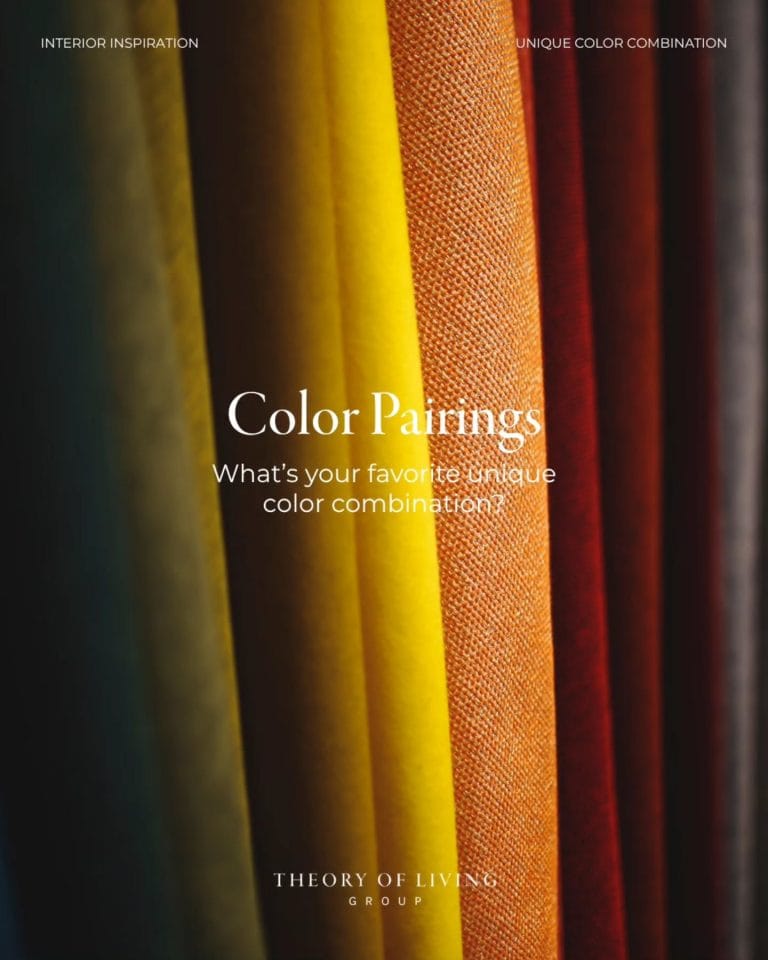
The biophilic colour palette in 2026 is richer than the earthy-neutral tendency that dominated the early 2020s. Nature is not beige. Muddy greens, warm terracotta, deep clay, desert orange, forest green, ocean blue — these all appear in natural landscapes, and all work in biophilic interiors when used with the same restraint and layering that nature itself applies.
A useful principle: build the palette from what grows and decays, not from what is manufactured. Undyed linen, raw timber, unpolished stone — these establish the base. Then add the green of a specific plant, the warm rust of aged terracotta, the blue-grey of a slate floor. The palette already exists; the designer’s job is to find it, not invent it.
Living Elements in 2026
Living plants remain central but the approach has matured. In 2026, the emphasis is on integration rather than staging — plants that belong to the architecture of a space rather than sitting decoratively on shelves. Built-in planters, recessed ledges, vertical gardens anchored to structural walls, and even air-purifying moss panels applied as architectural features.
Water features — once associated almost exclusively with outdoor or commercial spaces — are returning to domestic interiors at a considered scale. A small indoor water feature in an entry or a reading space contributes to humidity, acoustic softness, and the subtle animation of a space that otherwise risks feeling static.
Designing With Nature, Not Against It
The deepest principle of biophilic design is one of orientation rather than decoration. It asks: what does this space support? Does it allow the occupant to rest, to think clearly, to feel the passage of the day? Does it acknowledge that the person living in it is a biological organism who evolved outdoors?
When these questions drive design decisions — before the aesthetic ones — the result is an interior that does more than look beautiful. It functions as a restorative environment. And that is something no amount of styling can fake.
Curated Selection
Shop the Look
Pieces rooted in nature — organic forms, hand-crafted stone, natural fibres and warm wood tones that connect your interior to the living world outside.
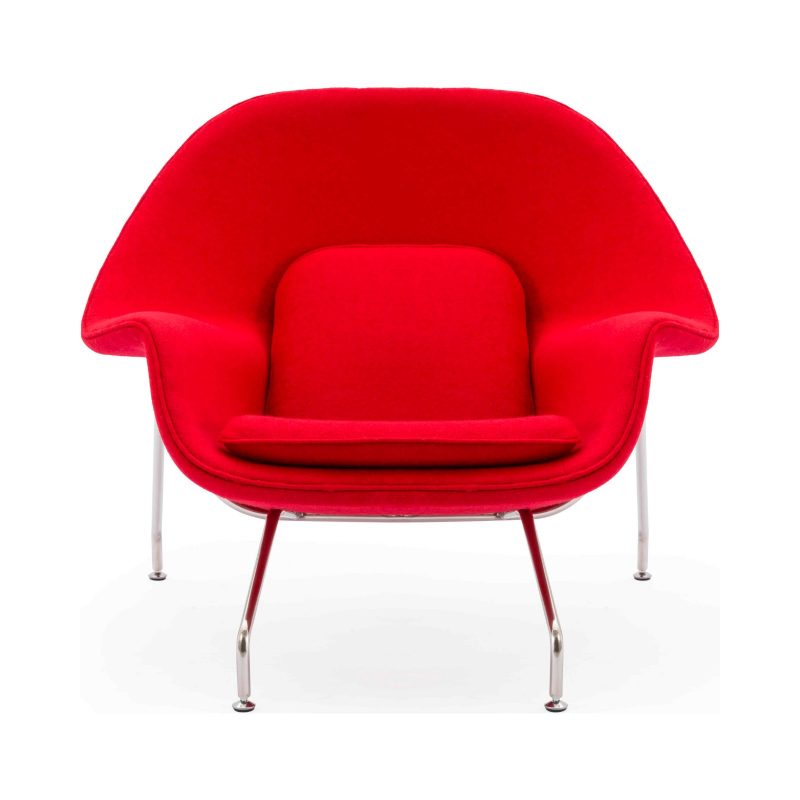

Winne Armchair
Rp 32.890.000,00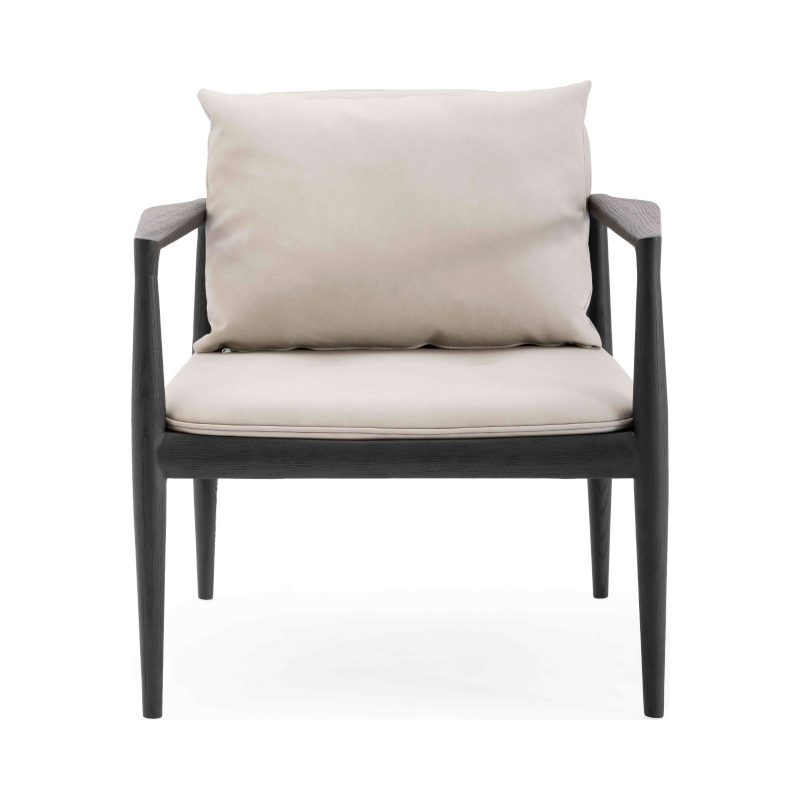
Rinnova Armchair
Rp 19.690.000,00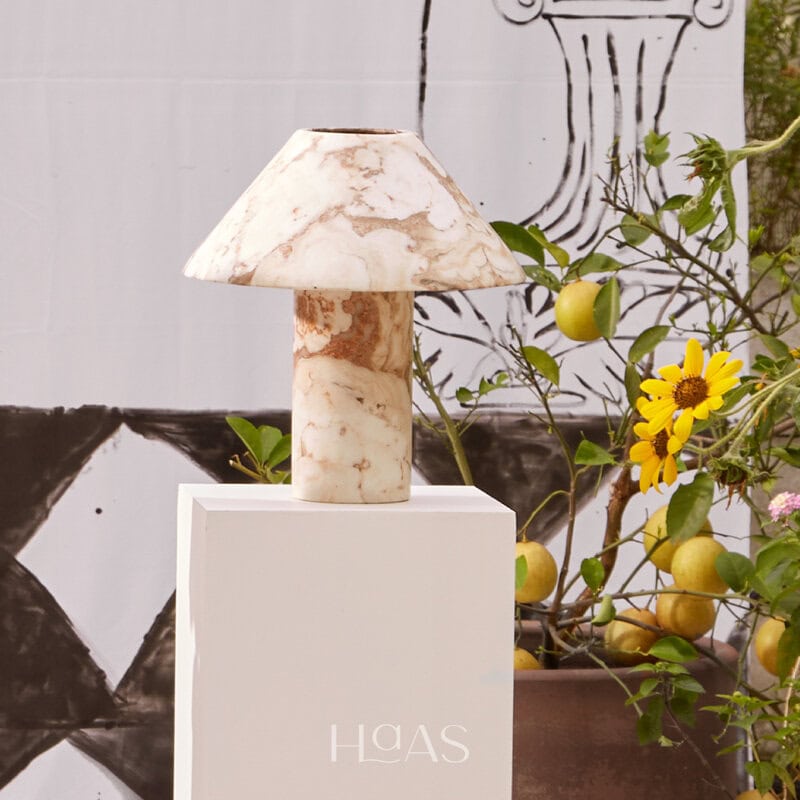
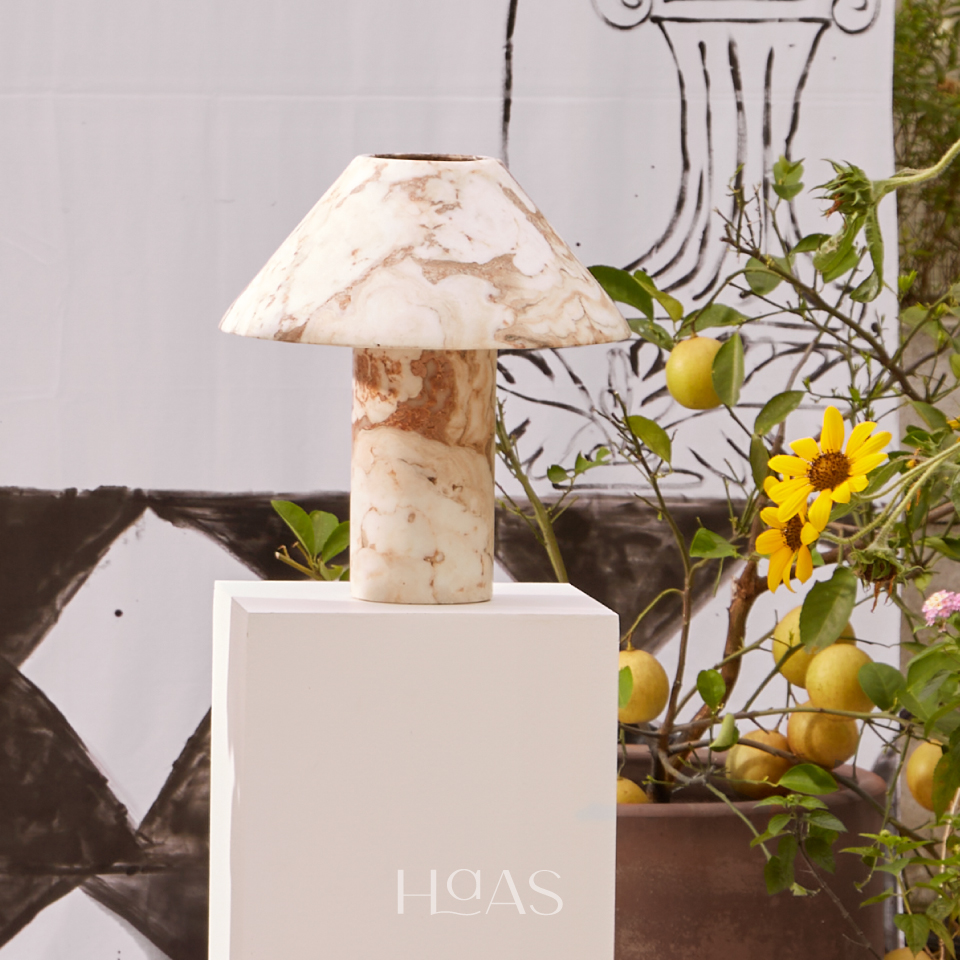
![HAAS Bhumi Handmade Marble Table Lamp]()
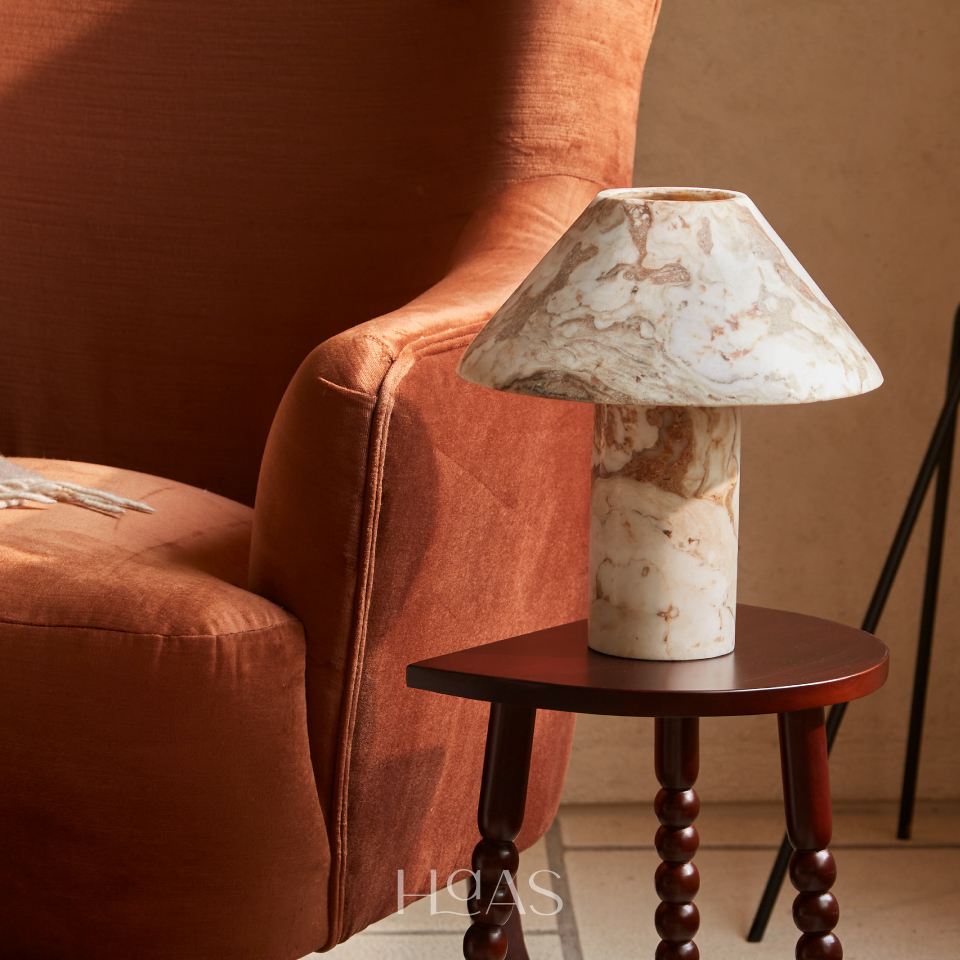
![HAAS Bhumi Handmade Marble Table Lamp]()
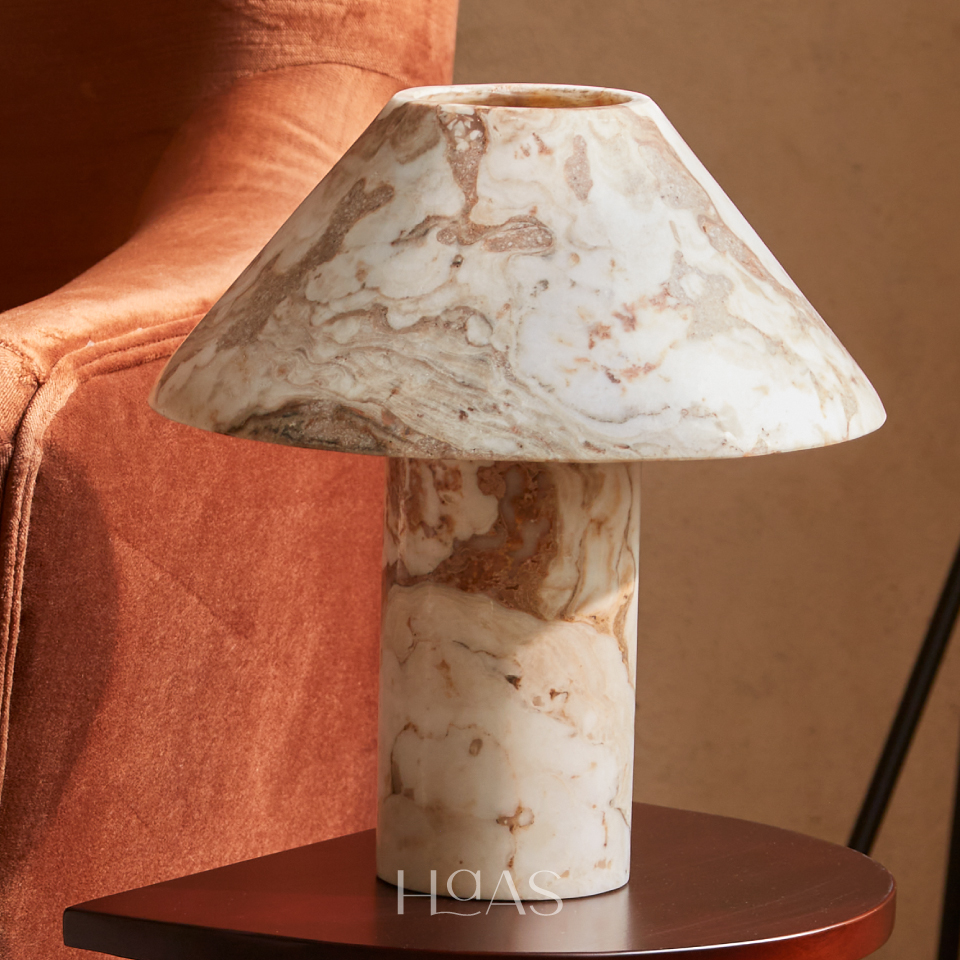
![HAAS Bhumi Handmade Marble Table Lamp]()
HAAS Bhumi Handmade Marble Table Lamp
Rp 3.999.900,00
Roth Stool
Rp 9.290.000,00