The Art of Feng Shui: Creating a Home That Feels as Good as It Looks
Feng Shui in Interior Design is more than just arranging furniture or choosing lucky colors — it’s the ancient Chinese philosophy of creating harmony between people and their environment. In modern homes, Feng Shui has become increasingly relevant because it encourages balance, calmness, and intentional living — qualities many people seek in today’s fast-paced world.
According to Architectural Digest, modern Feng Shui has become increasingly popular in contemporary interior styling.
For a thoughtfully designed home, Feng Shui is not about superstition. It’s about energy flow, emotional comfort, and creating spaces that support the way we live.
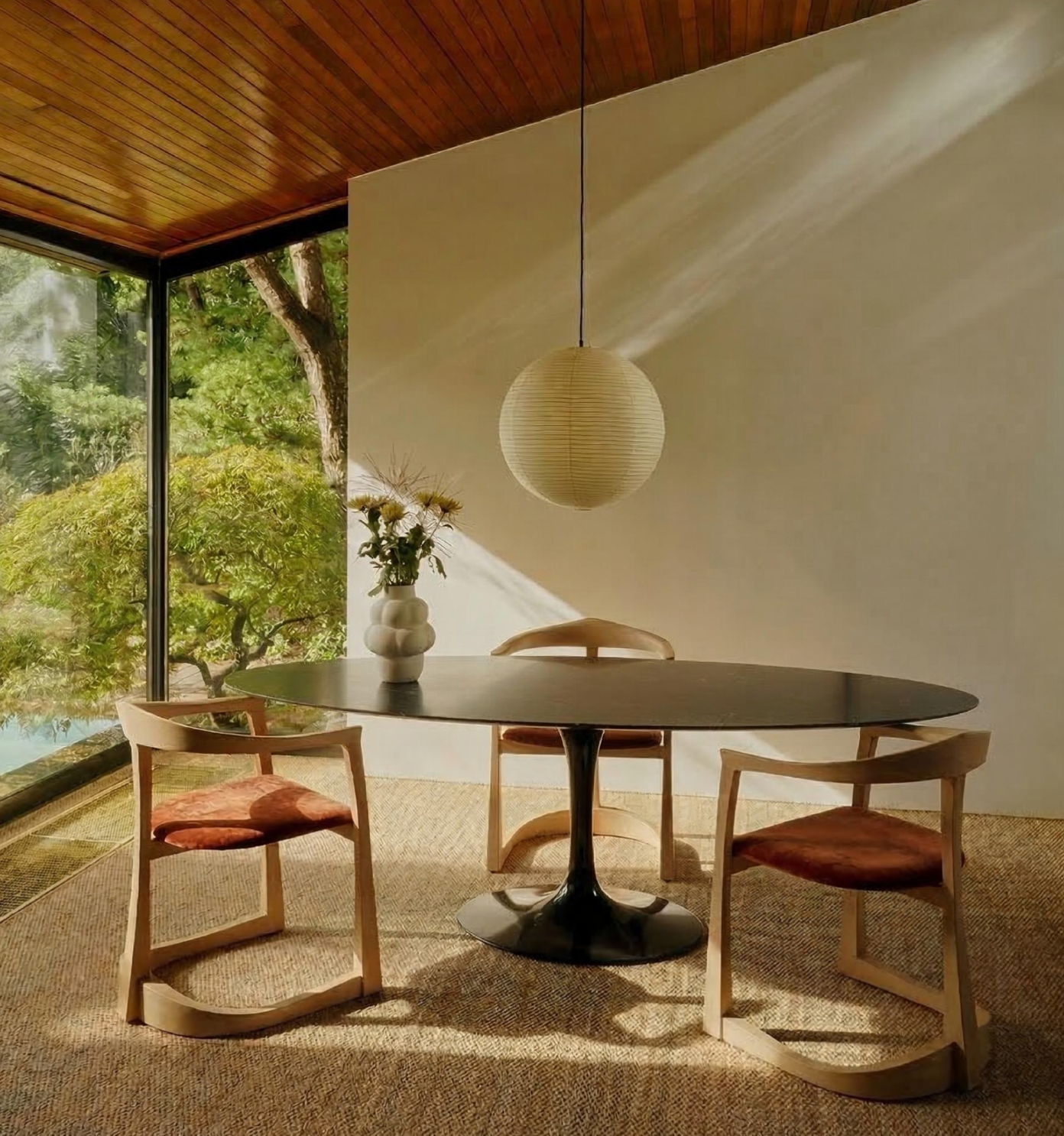
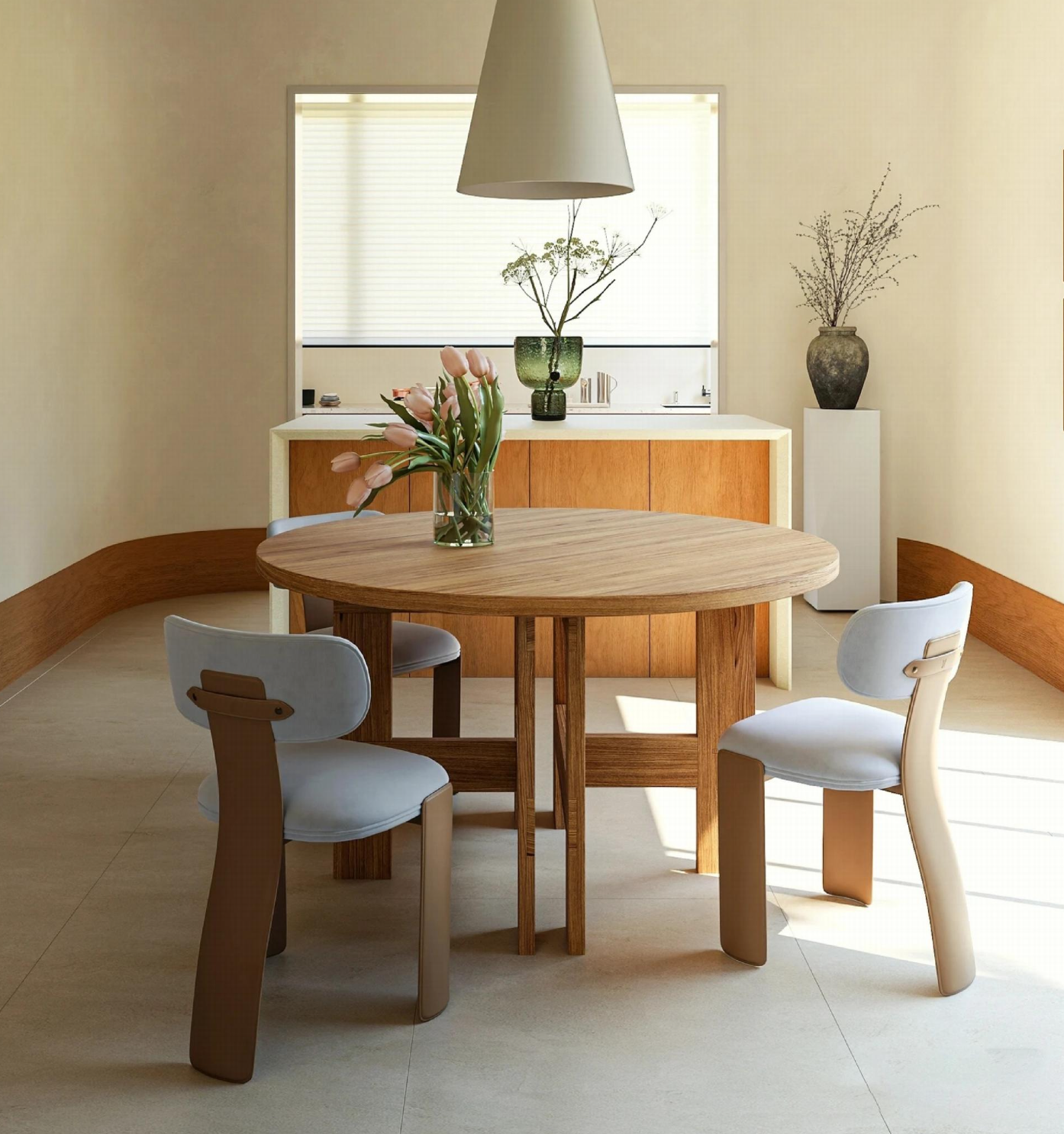
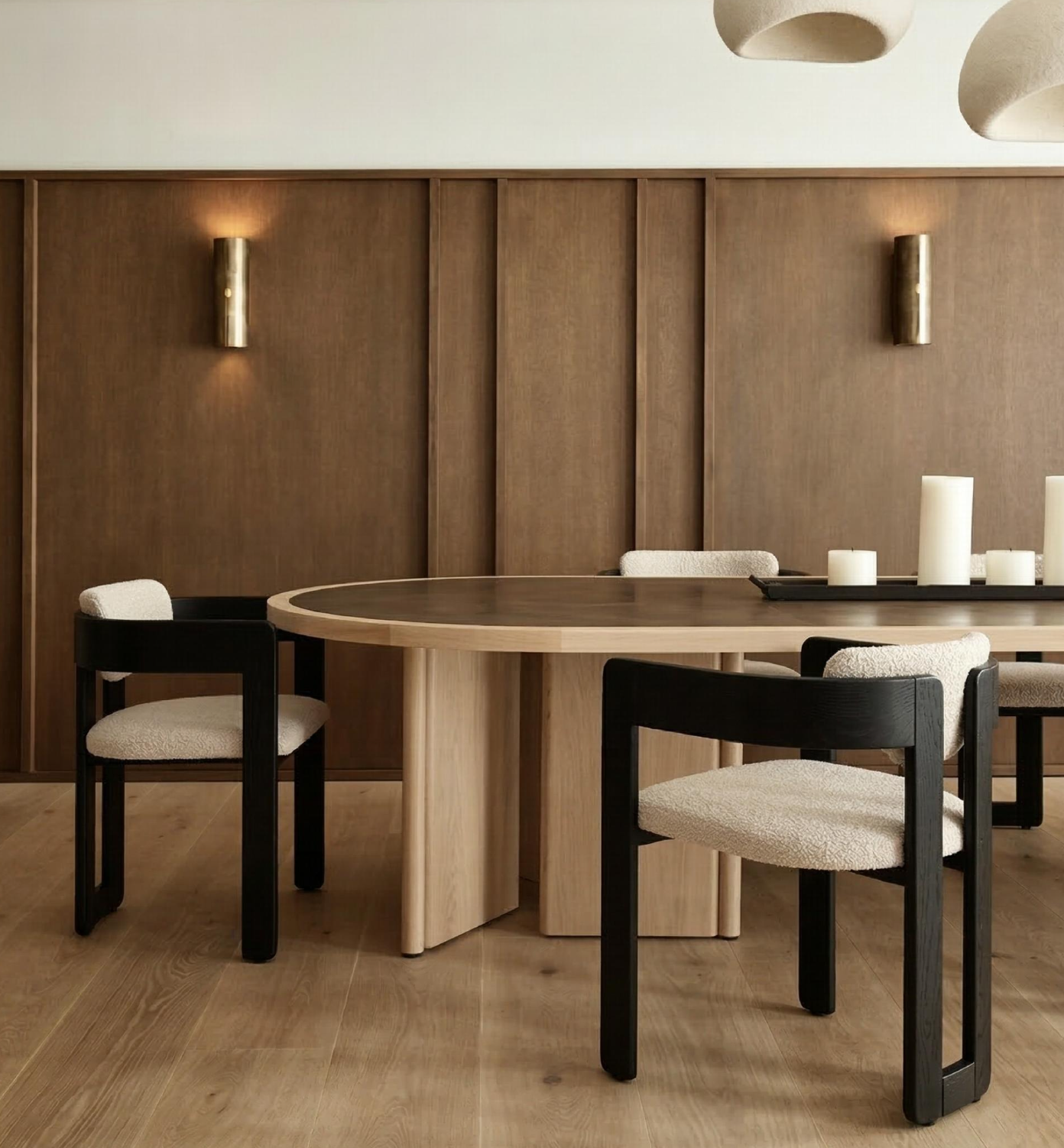
What Is Feng Shui?
The term Feng Shui literally translates to “wind” and “water,” symbolizing flow and movement in nature. The practice originated over 3,000 years ago in China and focuses on how spaces influence wellbeing, relationships, prosperity, and overall energy.
At its core, Feng Shui is built around one essential principle: Qi (Chi) — the invisible life force energy that flows through every space.
When Qi flows smoothly:
- Homes feel peaceful and inviting
- People sleep better
- Spaces feel brighter and more uplifting
- Productivity and creativity improve
When energy is blocked or unbalanced:
- Rooms may feel heavy or chaotic
- Stress levels increase
- Spaces can feel uncomfortable without obvious reason
Good Feng Shui is often subtle. You may not immediately notice it visually, but you can definitely feel it.
The Five Elements in Feng Shui
A balanced home incorporates the five Feng Shui elements in thoughtful ways.
1. Wood — Growth & Vitality
Wood represents creativity, expansion, and new beginnings. This element is especially important in living and dining spaces because it introduces warmth, grounding energy, and a stronger connection to nature.
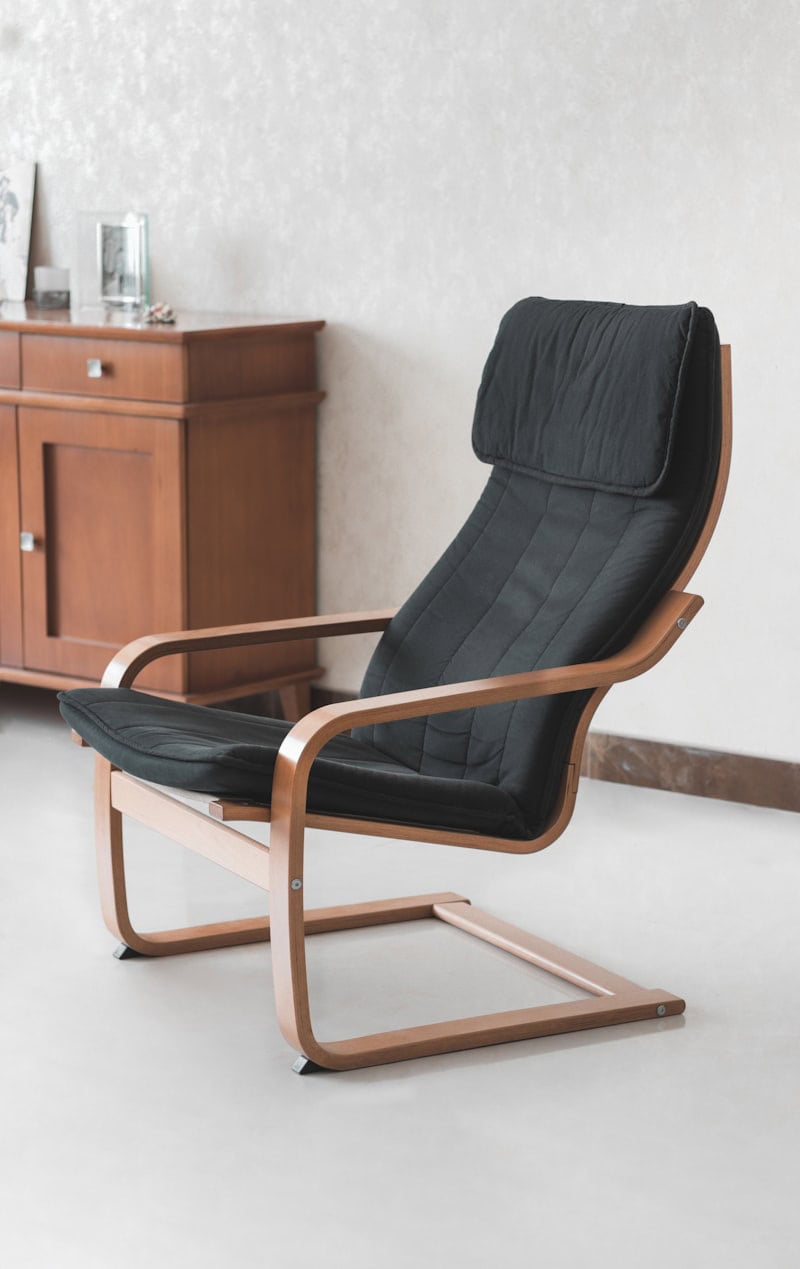
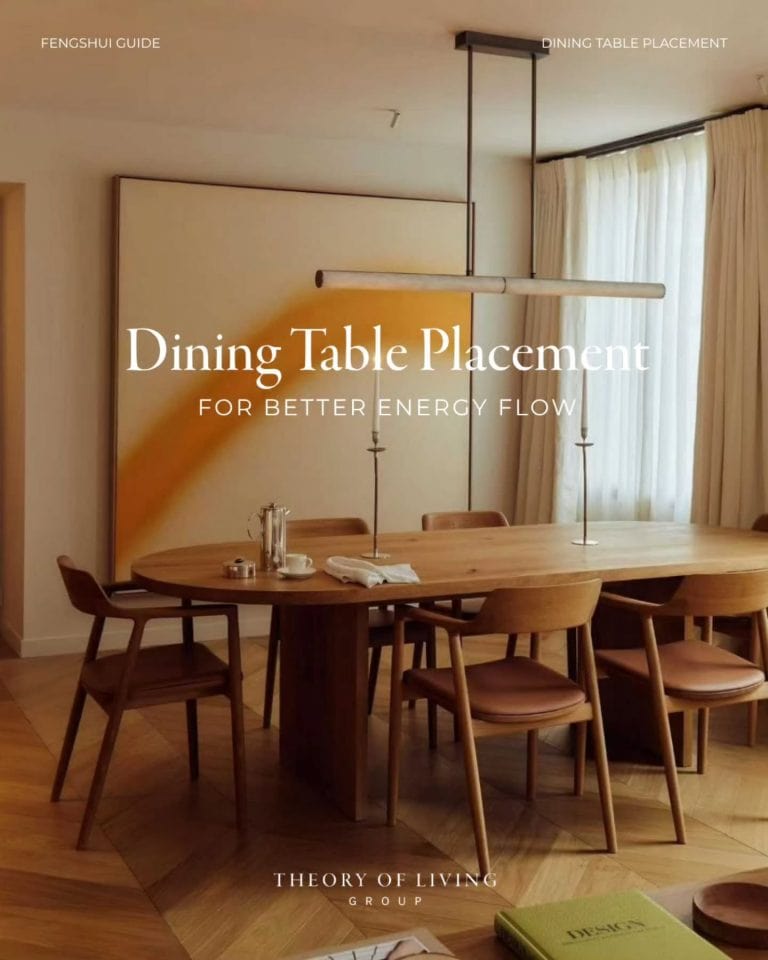
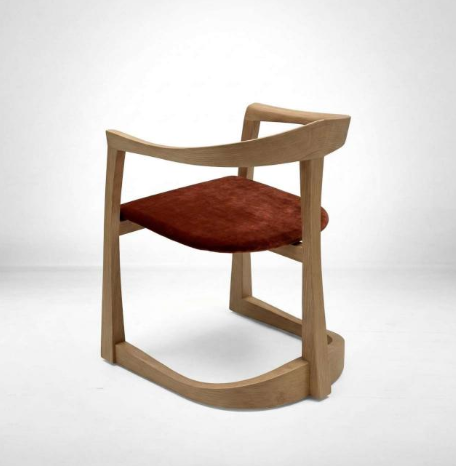
Natural oak furniture works beautifully in Feng Shui-inspired interiors because of its organic texture and timeless presence. Pieces such as the Breezea Chair by Theory of Living bring soft curves and natural wood tones into a space, helping create a calmer and more balanced atmosphere.
Common ways to introduce the wood element:
- Natural wood furniture
- Indoor plants
- Vertical shapes
- Green tones
- Organic textures


2. Fire — Passion & Energy
Fire symbolizes inspiration, recognition, and warmth.
You can incorporate fire through:
- Candles
- Warm lighting
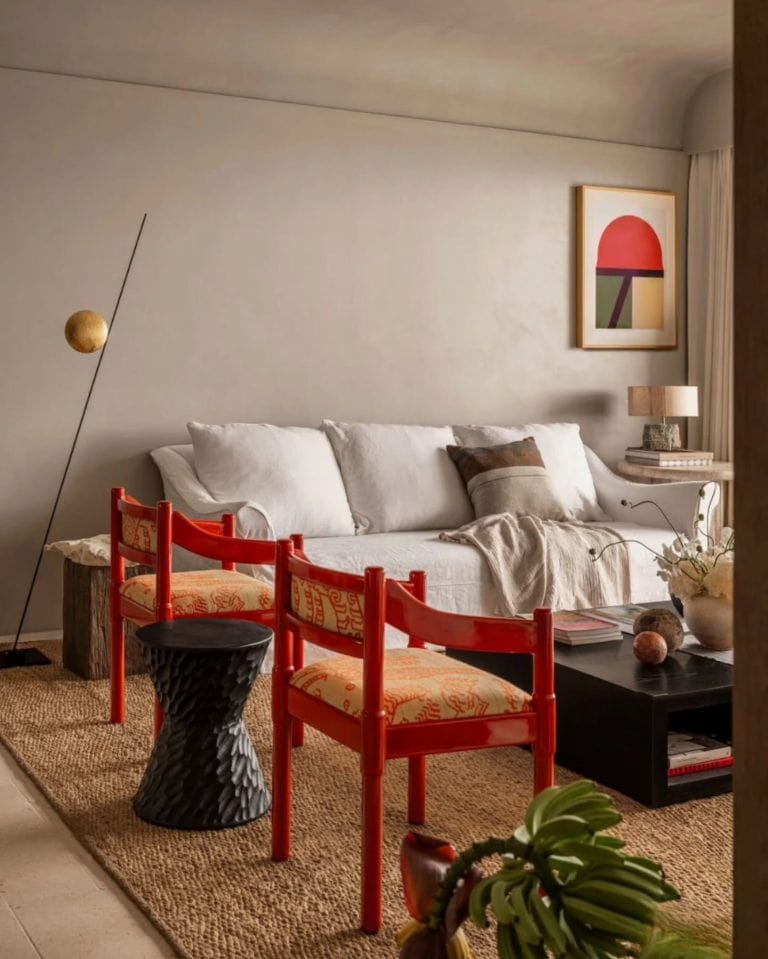
- Red or terracotta accents
- Triangular shapes
3. Earth — Stability & Nourishment
Earth creates grounding and emotional balance.
Examples include:
- Stone textures
- Ceramics
- Sandy or beige tones
- Square shapes

4. Metal — Clarity & Precision
Metal supports focus, structure, and efficiency.
Often expressed through:
- Metallic finishes
- White or grey palettes
- Rounded forms
- Minimalist styling

5. Water — Flow & Abundance
Water represents wisdom, intuition, and prosperity.
Water energy can appear through:
- Mirrors
- Curved forms
- Dark blue or black accents
- Water features

The key is balance — not overpowering a home with one single element.
Feng Shui Tips for Modern Homes
1). Keep the Entryway Clear
Your entrance is known as the “mouth of Qi,” where energy first enters the home. A clean and welcoming entry creates a positive first impression and encourages good energy flow.
Simple improvements:
- Avoid clutter near the door
- Add warm lighting
- Incorporate natural materials
- Use a calming scent or fresh flowers
2). Position Furniture Intentionally
In Feng Shui, placement matters deeply.
Beds, desks, and sofas should ideally be positioned in a “commanding position” — where you can see the entrance without being directly aligned with it.
This arrangement subconsciously creates:
- A sense of safety
- Better focus
- Greater relaxation
Even small layout adjustments can completely transform how a room feels.
Dining areas also play a major role in Feng Shui because they symbolize connection and nourishment. Choosing furniture with rounded edges, natural materials, and balanced proportions helps encourage a softer flow of energy throughout the home.
3). Reduce Visual Clutter
Clutter is considered stagnant energy in Feng Shui.
A cluttered environment often contributes to:
- Mental fatigue
- Stress
- Lack of clarity
- Reduced productivity
Minimalism and Feng Shui naturally complement one another because both prioritize intentionality.
Rather than filling a room, focus on choosing pieces that truly serve a purpose or bring joy. Well-crafted furniture made from natural materials often creates a stronger sense of calm compared to overly decorative interiors.
4). The Importance of Natural Light
Natural light is one of the most powerful forms of positive Qi.
Bright spaces tend to feel:
- More alive
- More spacious
- More uplifting
To enhance natural energy:
- Use sheer curtains
- Position mirrors thoughtfully
- Avoid blocking windows with bulky furniture
- Introduce reflective materials subtly
A home connected to natural light almost always feels healthier and more balanced.
5). Feng Shui Is About Feeling, Not Rules
One common misconception is that Feng Shui requires strict formulas or traditional-looking interiors.
In reality, good Feng Shui can exist in:
- Minimalist homes
- Contemporary interiors
- Scandinavian spaces
- Tropical modern villas
- Luxury apartments
The goal is not to decorate symbolically — it’s to create a home that supports wellbeing emotionally and energetically.
A beautiful home should not only look good in photographs. It should also feel calming, inspiring, and deeply comfortable to live in.

Final Thoughts
Feng Shui reminds us that our homes influence how we think, feel, and live every single day.
By creating balance through thoughtful layouts, natural materials, light, and intentional design, we create spaces that nourish both the mind and body.
At its best, Feng Shui is not about following trends — it’s about designing homes with purpose, harmony, and emotional connection.
Because when a home feels balanced, life often does too.
Explore more timeless furniture pieces at Theory of Living to create a home that feels both beautiful and intentional.
Theory of Living
Shop the Look
Beautifully crafted pieces — available at our showroom in Indonesia Design District, PIK2, Jakarta