The bedroom is the room that most people design last and live in most. We spend roughly a third of our lives there — and yet it is consistently treated as a residual space, furnished with what is left over after the living room and dining room have been considered.
In 2026, the design conversation around bedrooms has shifted decisively. The focus is not on hotel aesthetics or display-worthy styling, but on something simpler and more important: designing a space that genuinely supports rest.
Sleep as a Design Priority
Good sleep design starts with a single principle: the bedroom should be unambiguously a bedroom. Every element in the space — the lighting, the materials, the objects on the bedside table — should be oriented toward rest and recovery rather than stimulation or productivity.
This means removing or concealing anything work-related. It means controlling light carefully. It means choosing materials that are soft and tactile rather than hard and reflective. And it means editing: fewer objects, more breathing room, a space that the nervous system can settle into rather than scan continuously for information.
The Bed: Frame, Headboard, Placement
The bed is the architectural centre of the bedroom. It should be placed against a solid wall — ideally not directly opposite a door, and not beneath a window — so that the sleeper has a clear visual field in front and a sense of shelter behind.
The upholstered headboard has become the defining furniture detail of the considered bedroom in 2026. Tall, wrap-around designs in bouclé, velvet, or linen create an enveloping frame that changes the emotional register of the room — from a functional space to a genuine retreat. The headboard should be proportional to the bed width and tall enough to be visible above the pillow stack; typically 130–160cm in height for a standard bed.
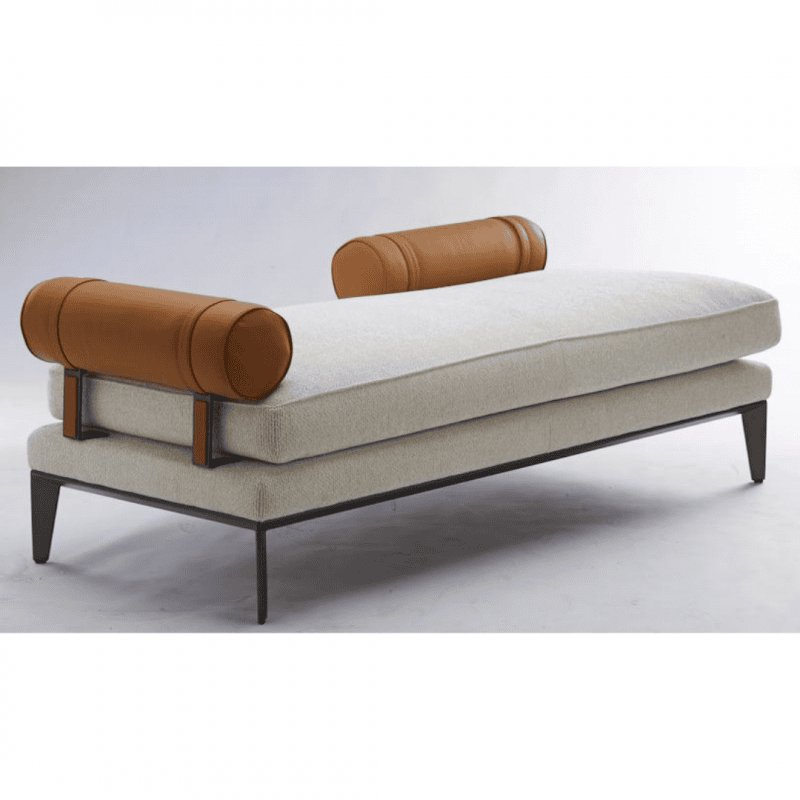
A platform bed or bed frame with integrated side ledges offers a clean alternative to freestanding bedside tables, keeping the floor clear and the composition lean. The aim is for the bed to feel generous without overwhelming — the dominant element in the room, but not the only one.
The Layered Bed
A well-made bed is one of the most reliable improvements to a bedroom’s atmosphere, and it costs nothing beyond the initial investment in quality textiles.
The base layer — fitted sheet and pillowcases — should be in a natural fibre: linen or high-thread-count cotton. Linen softens beautifully with every wash and has a natural temperature-regulating quality that cotton cannot match. Choose a warm neutral — stone, ecru, warm white — rather than bright white, which reads as clinical in domestic settings.
The mid layer is a lightweight duvet or quilt, and again, natural fill (down or wool) outperforms synthetic in both comfort and longevity. The outer layer — a throw at the foot of the bed — provides visual depth and the option for warmth without being folded back at night. Chunky knit, heavy linen, or a woven wool throw all work well.
Cushions: two Euro pillows (65x65cm) behind the sleeping pillows, and two smaller accent cushions at the front. This is typically sufficient. The common mistake is adding more cushions than there is space to store them at night, which means they end up on the floor — defeating the purpose entirely.
Lighting in Zones
Bedroom lighting should never come from a single overhead source. A central ceiling fitting that illuminates the entire room at full brightness is one of the most reliable ways to prevent a bedroom from feeling restful — it activates the space in the same way as a work environment, which is precisely the opposite of what is needed.
The approach instead is three zones.
Ambient: soft, indirect light that fills the room at low intensity. This can come from a dimmed ceiling fitting, concealed coves, or a floor lamp positioned to wash a wall. The key is that it should be dimmable, and the bulb temperature should be 2700K or below.
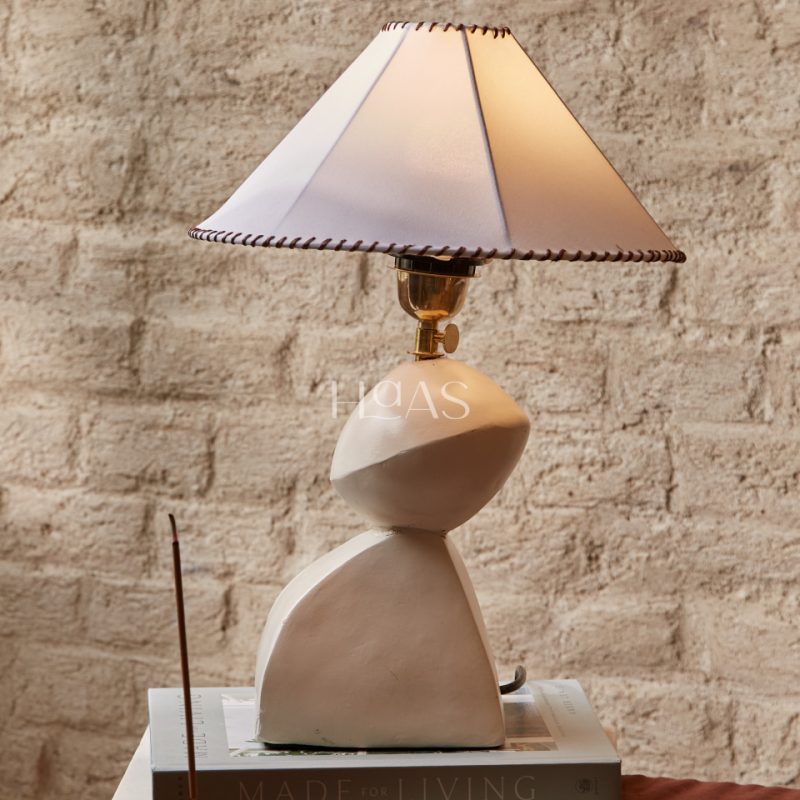
Task: bedside reading light, positioned so that the light source is behind and above the book rather than shining directly into the eyes. A table lamp at bedside height — approximately 55–65cm from the mattress surface — is the most reliable solution.
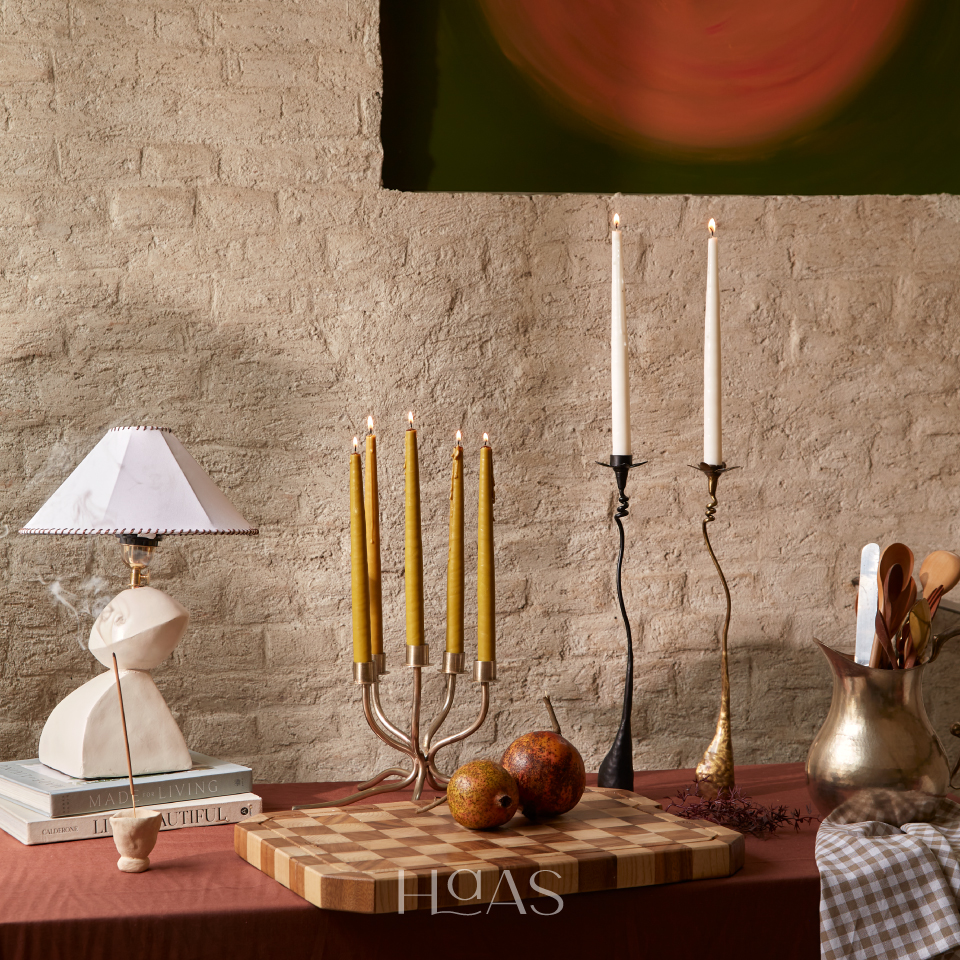
Accent: candle holders or a decorative table lamp that contributes atmosphere rather than illumination. Placed on a dresser, a low shelf, or a windowsill, these objects provide light when lit and visual interest when not. They are the detail that distinguishes a designed bedroom from a furnished one.
The Reading Corner
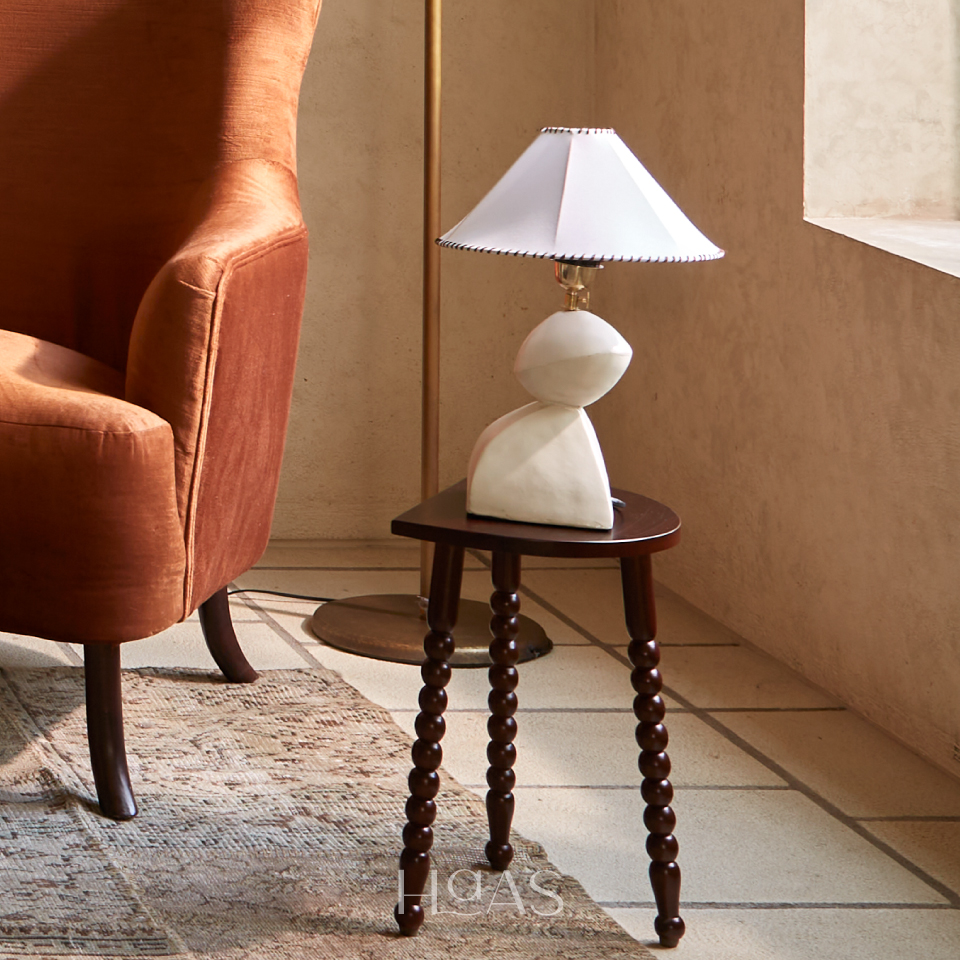
If the room allows it — even a corner of 120 x 120cm — a lounge chair beside a floor lamp transforms a bedroom from a room you sleep in to one you actually inhabit. A small bouclé or linen chair, a low side table, a lamp angled for reading: this is the bedroom detail that guests always notice and residents always use.
The reading corner does not need to be large or elaborate. What matters is that it is genuinely comfortable — that the chair is deep enough to curl into, the lamp is bright enough to read by, and the surface beside it is large enough to hold a book and a glass.
Scent and Atmosphere
Scent is one of the most underutilised tools in bedroom design — partly because it is experiential rather than visual, and therefore invisible in photographs and difficult to communicate in design briefs.
The bedroom is the room where scent has the most direct effect on behaviour. A consistent fragrance — through a candle, a diffuser, or a room spray — can serve as a genuine sleep cue, conditioning the nervous system to associate that smell with rest over time. Choose something that is warm and grounding rather than bright and energetic: sandalwood, vetiver, amber, cedarwood.
Candle holders in the bedroom serve both functions: they contribute to the ambient atmosphere of the room and, when the candle is lit, they introduce the scent that signals the transition from day to evening. Position them on the dresser or on a low shelf where the light catches them in the peripheral field rather than at eye level.
The Bedroom as Sanctuary
The luxury bedroom in 2026 is not defined by expensive materials or elaborate styling. It is defined by intention — every element present for a reason, nothing competing for attention, the space genuinely oriented toward the thing it is supposed to do.
Rest well. The room should make it easy.
Curated Selection
Shop the Look
Every element of the luxury bedroom matters — from the bed frame to the bedside lamp. Explore pieces that bring depth, warmth and quiet sophistication to your sanctuary.
Weston Series WY-01
Price range: Rp 303,18 through Rp 861,18Nozai Bed Side Table
Rp 916,36Mannie Bed Side Table
Rp 724,78Andino Bed Frame
Rp 5.163,98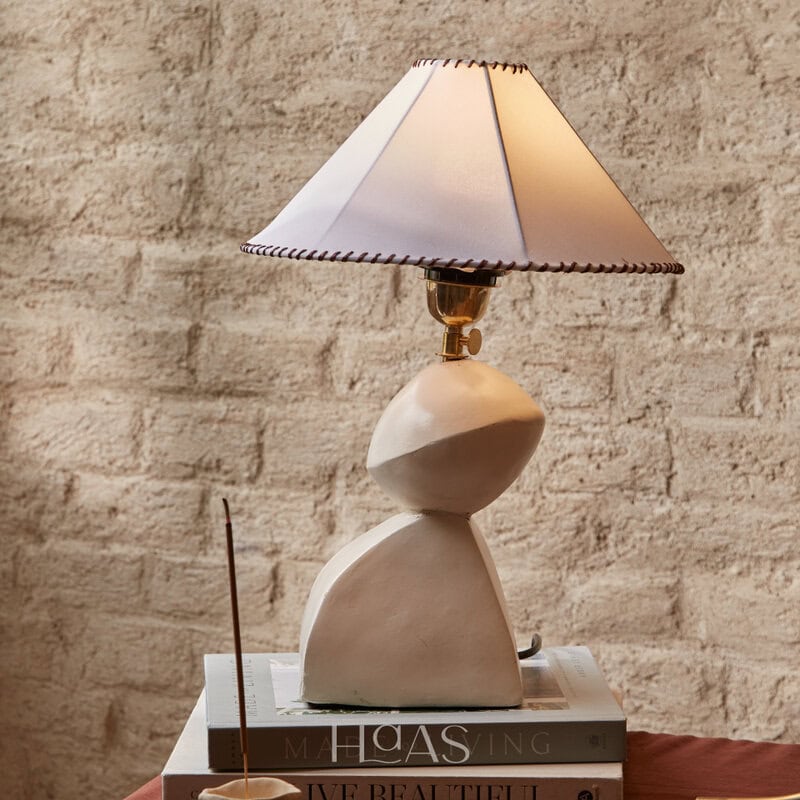

![HAAS Nusa Table Lamp]()
![HAAS Nusa Table Lamp]()
![HAAS Nusa Table Lamp]()
HAAS Nusa Table Lamp
Rp 130,19Ravelle Lounge Chair
Rp 1.505,98