There’s a reason Japandi has captured the imagination of interior designers and homeowners around the world. It’s calm without being cold. Minimal without being stark. Beautiful without trying too hard.
Japandi interior design — a blend of Japanese and Scandinavian design philosophies — is the art of combining two of the world’s most thoughtful approaches to living into one harmonious whole. The result is a style that feels timeless, effortless, and deeply liveable.
What Is Japandi Interior Design?
Japandi draws from two distinct traditions that share a surprising number of values at their core.
Japanese design is guided by the philosophy of wabi-sabi — the beauty of imperfection, impermanence, and handmade things. It prizes negative space, natural materials, and the idea that a room should breathe. Clutter is the enemy. Serenity is the goal.
Scandinavian design shares that love of clean lines and function, but brings in a layer of warmth through soft textures, cozy layering, and liveable comfort. It’s minimal, but never cold.
Where these two traditions overlap — in their shared love of craftsmanship, natural materials, neutral palettes, and purposeful simplicity — Japandi was born.
The 5 Core Principles of Japandi Design
1. Wabi-Sabi: Embrace Imperfection
Japandi celebrates the handmade, the slightly worn, the organic. A ceramic vase that isn’t perfectly round. A wooden table with visible grain. These “imperfections” give a room its soul.
2. Functionality First
Every object in a Japandi space earns its place. If something doesn’t serve a purpose — practical or emotional — it doesn’t belong. This isn’t deprivation; it’s intention.
3. Natural Materials
Wood, stone, linen, rattan, clay, cotton. Japandi interiors are built on the materials of the natural world.
4. Neutral, Earthy Palette
Warm whites, soft beiges, muted greens, charcoal greys, and deep blacks. Japandi color palettes are never stark or clinical — they’re grounded and warm.
5. Negative Space
In Japandi, what you leave out is as important as what you put in. Empty wall space, breathing room between furniture, and uncluttered surfaces create the sense of calm.

The Japandi Color Palette
The Japandi palette is one of its most immediately recognizable features.
Warm Neutrals: Off-white, cream, warm grey, soft taupe — the foundation of most Japandi rooms. Light and airy without feeling sterile.
Earth Tones: Terracotta, clay, warm brown, sandy beige — adding depth and a connection to the natural world.
Deep Accents: Charcoal, ink black, forest green, deep navy — used sparingly to anchor the room.
Natural Wood Tones: Oak, walnut, ash — wood itself acts as color in Japandi spaces.
Avoid bright colors, high-gloss finishes, and cold, blue-tinted whites. These disrupt the warmth that makes Japandi feel like home.
Japandi Furniture: What to Look For
Solid Wood Construction — Oak, walnut, teak, and ash are ideal. The grain should be visible. Avoid veneers or heavily lacquered pieces.
Low-Profile Silhouettes — Platform beds, low sofas, floor cushions, and low coffee tables create that sense of grounded calm.
Handcrafted Details — Dovetail joinery, visible stitching, hand-thrown ceramics — these signal quality and add wabi-sabi character.
Multi-Function Pieces — Storage ottomans, extendable dining tables, built-in shelving. Japandi respects utility.

Room by Room: How to Achieve the Japandi Look
The Living Room
Start with a low, modular sofa in warm linen or bouclé. Add a solid wood coffee table with natural grain character. Layer in a jute or wool rug in a soft neutral. Keep surfaces clear: one or two ceramics, a single trailing plant, a stack of books. Resist the urge to fill every shelf.
The Bedroom
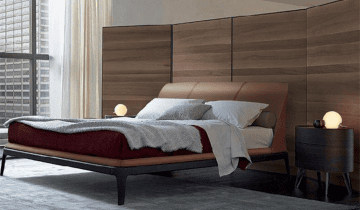
A low platform bed in natural wood with linen bedding in cream or warm grey. Blackout curtains in deep charcoal or forest green. Bedside tables with clean lines and discreet storage. Minimal art — perhaps one piece, framed simply. One well-chosen plant. The bedroom should be the quietest room in the house.
The Dining Room
A solid wood dining table — oval or rectangular, with visible joinery — at the heart of the room. Chairs that mix materials: wooden frames with linen seats. A pendant light in washi paper, rattan, or matte ceramic. Keep the table clear except for a simple centrepiece: a small vase, a single branch, a ceramic bowl.

Why Japandi Works Beautifully in Indonesian Homes
There’s a natural harmony between Japandi principles and the Indonesian design tradition. Indonesia has a deep history of celebrating natural materials — teak, rattan, handwoven textiles, handcrafted ceramics — and a cultural appreciation for artisanship that aligns closely with wabi-sabi.
For homes in Jakarta and across Indonesia, where tropical heat and humidity are constant, the Japandi emphasis on natural materials and open, uncluttered spaces also has a practical dimension. Solid wood furniture, linen fabrics, and good airflow all contribute to a home that breathes — literally and figuratively.
The tropical light in Indonesia plays beautifully with Japandi’s warm neutral palette. Where colder climates need Japandi’s warmth to compensate for grey skies, Indonesian homes can let the natural light work all year round.

Where to Start
The most common mistake when attempting Japandi is trying to do everything at once. Start with one room — ideally the space where you spend the most time — and make deliberate choices.
Edit first. Remove anything that doesn’t need to be there. Then add back only what’s beautiful or functional — ideally both.
Choose quality over quantity. One solid wood coffee table is worth more to a Japandi interior than five lesser pieces. The same applies to textiles, ceramics, and lighting.
Bring in a plant. A single well-chosen indoor plant does more for a Japandi room than almost any other addition.
Build slowly. Japandi is not about buying an entirely new interior overnight. It’s about being intentional with what you bring into your home, and finding beauty in simplicity.
The philosophy, ultimately, is this: live with less, but live with better.
Explore our collection of solid wood furniture, handcrafted ceramics, and natural textiles at Theory of Living — curated for the way you actually want to live. Visit us at Indonesia Design District, PIK2, Jakarta.
Theory of Living
Shop the Look
Curated for the Japandi aesthetic — understated silhouettes, natural materials, and effortless calm.

Weston Series WY-02
Price range: Rp 303,18 through Rp 861,18Weston Series WY-01
Price range: Rp 303,18 through Rp 861,18Rinnova Armchair
Rp 1.220,78Nora Side Table
Rp 1.109,18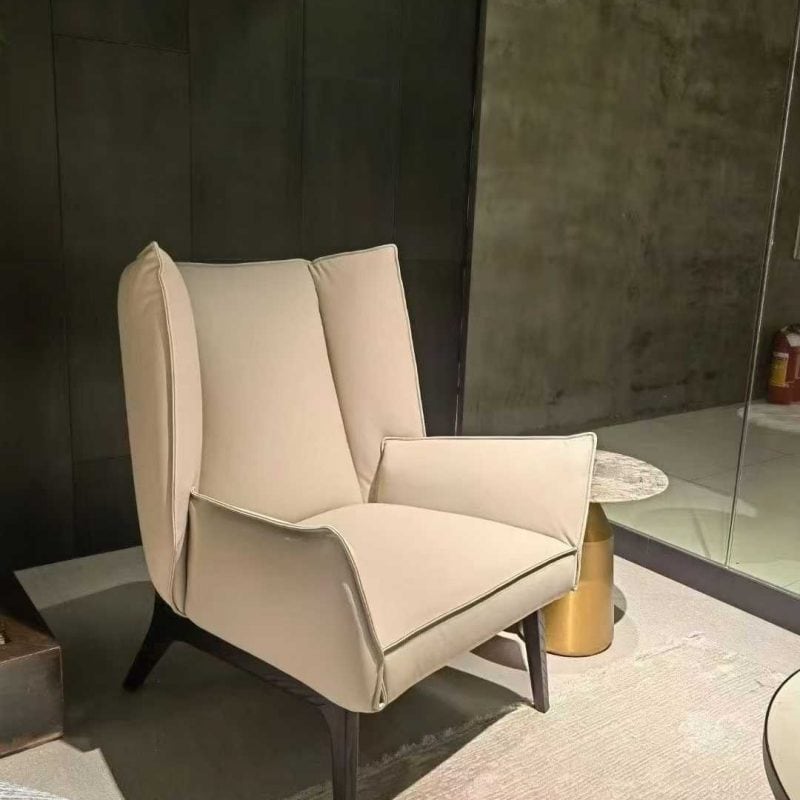

![Terry Armchair]()
![Terry Armchair]()
![Terry Armchair]()
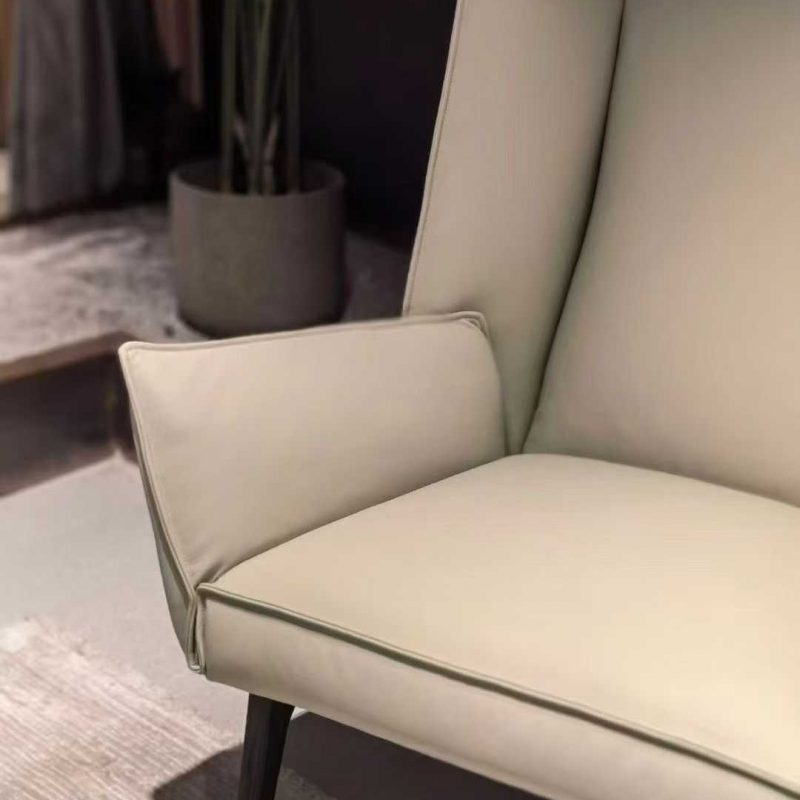
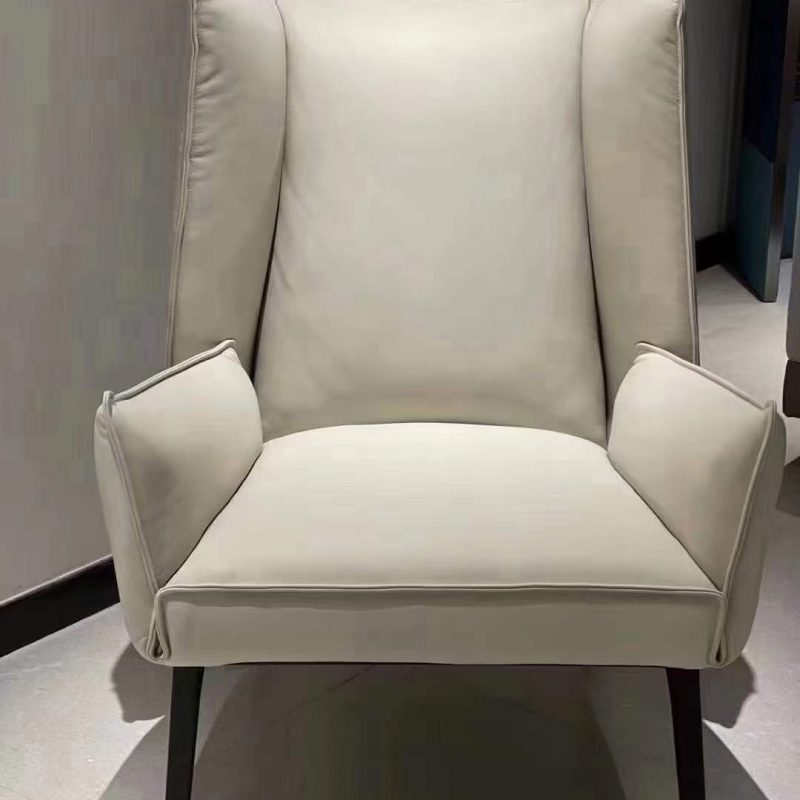
Terry Armchair
Rp 2.696,38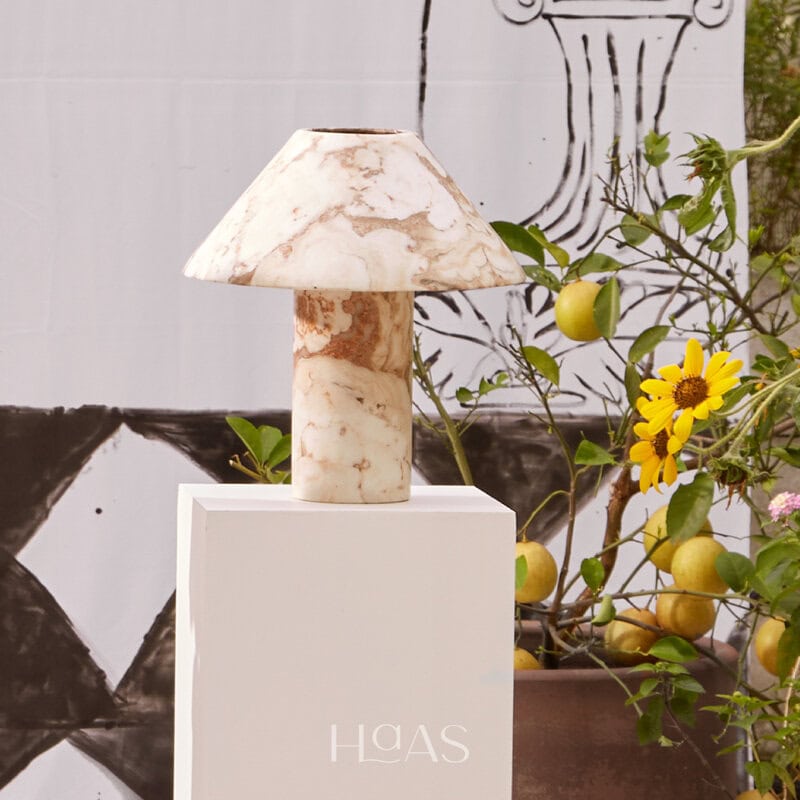
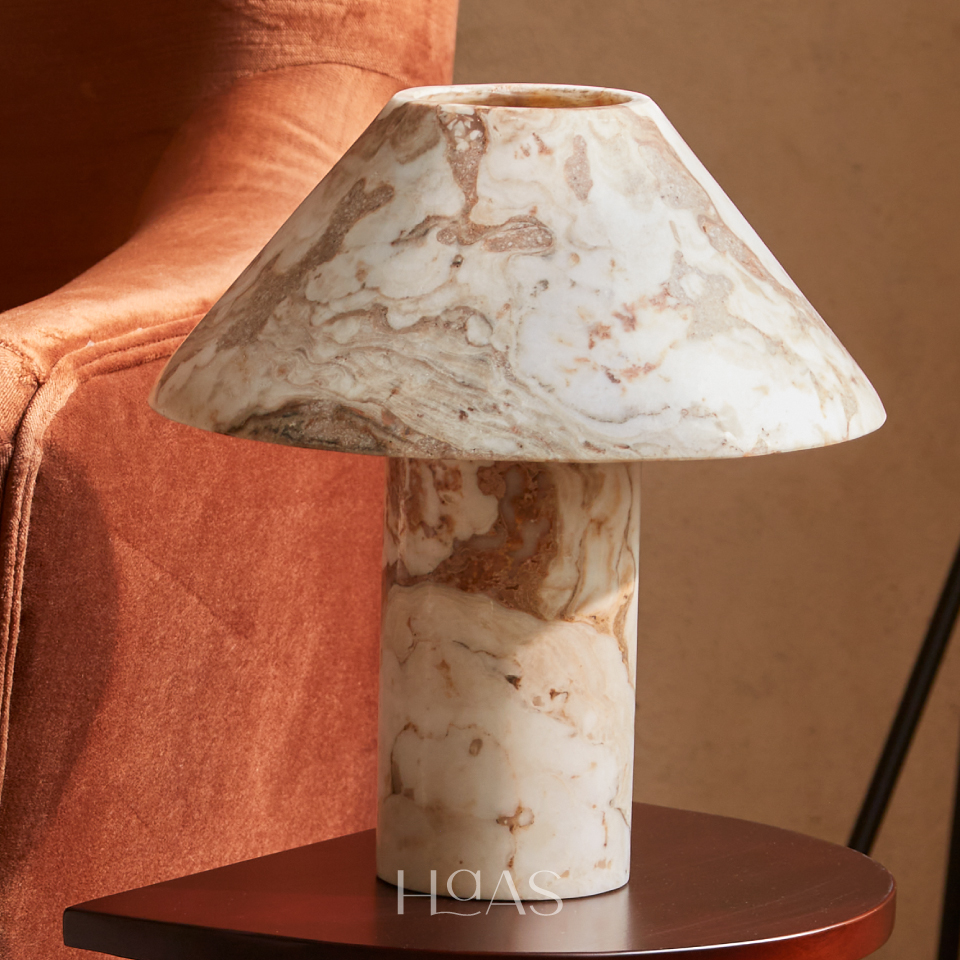
![HAAS Bhumi Handmade Marble Table Lamp]()
![HAAS Bhumi Handmade Marble Table Lamp]()
![HAAS Bhumi Handmade Marble Table Lamp]()
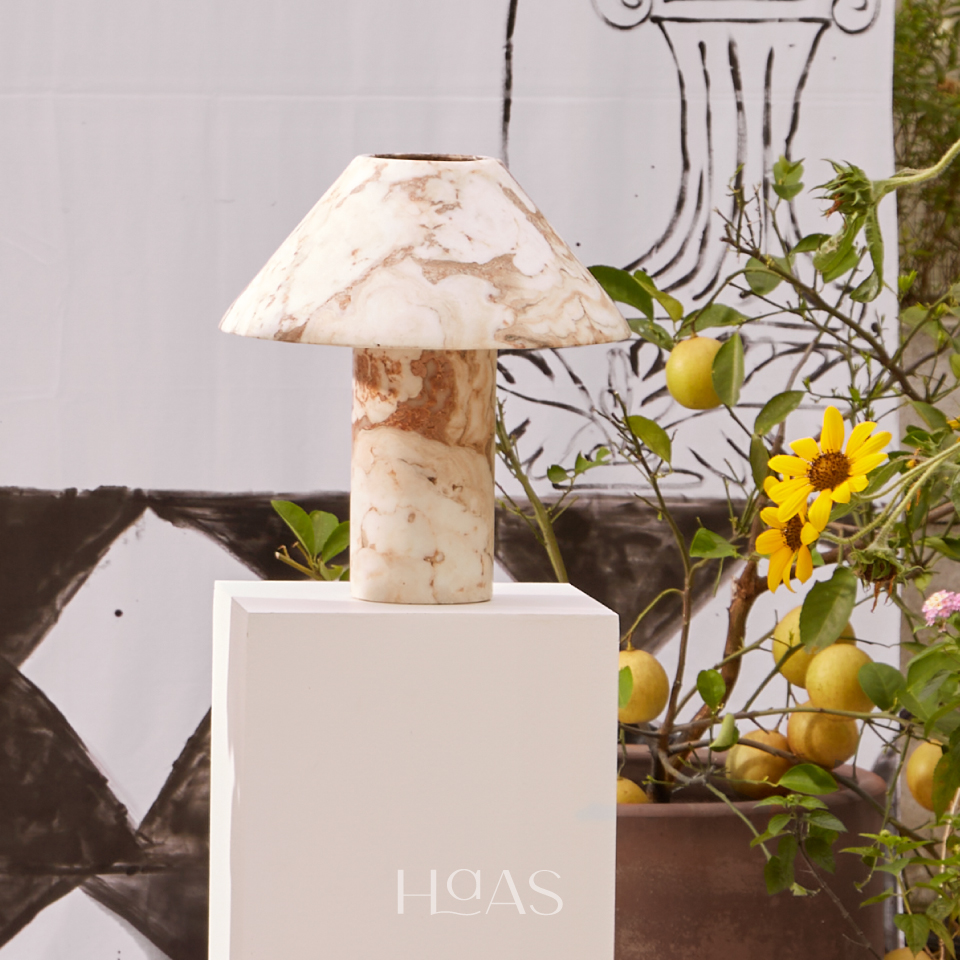
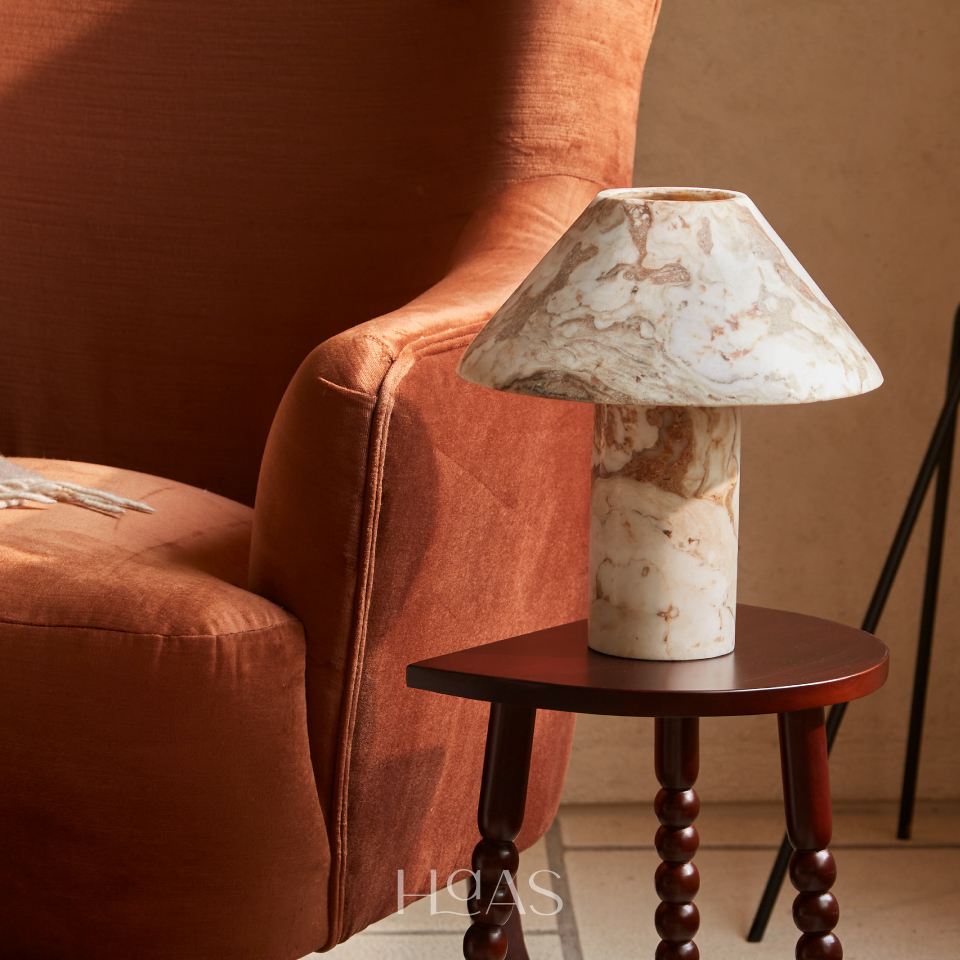
HAAS Bhumi Handmade Marble Table Lamp
Rp 247,99