In 2026, texture has replaced colour as the primary language of interior design. As palettes grow quieter — building on warm neutrals and complex earthy tones rather than bold statements — surfaces have to work harder to give rooms depth, personality, and the quality that makes a space feel finished rather than merely furnished.
This is a guide to the materials that are defining considered interiors this year: what is rising, what is holding, what has peaked, and how to combine them without the result feeling like a mood board.
Honed Stone: Still Defining the Decade
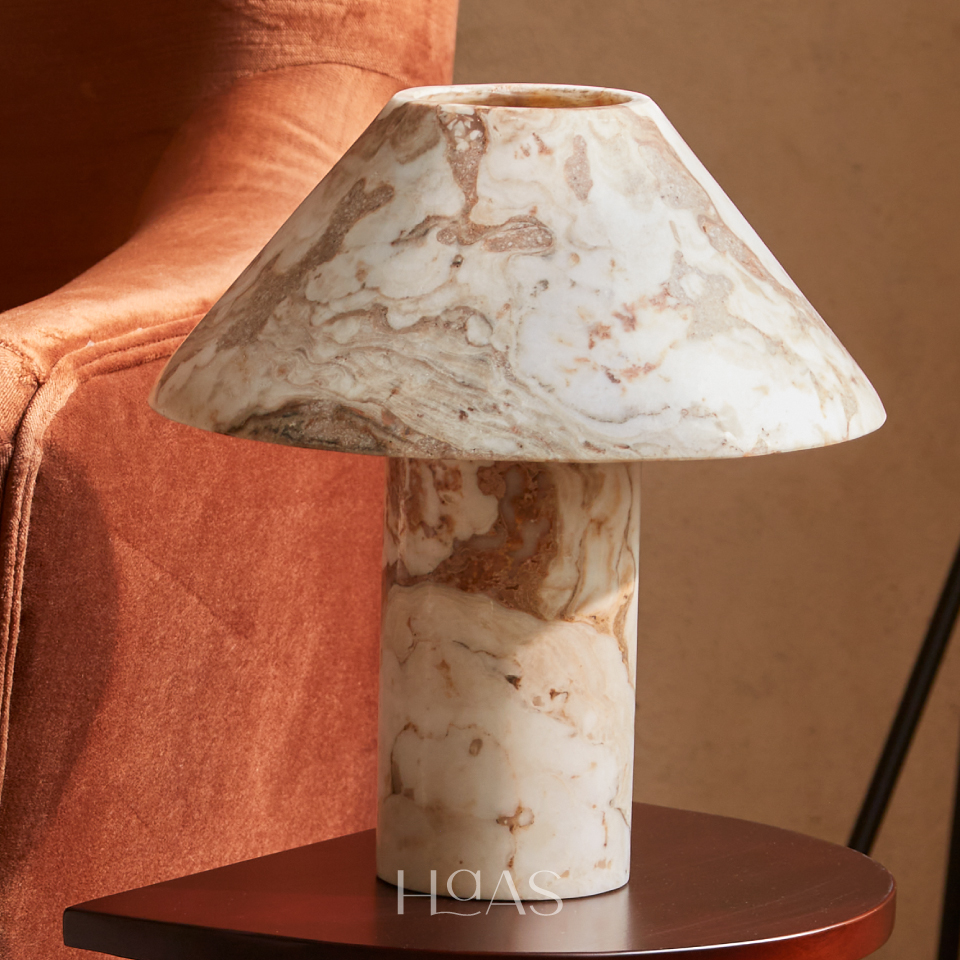
Travertine, honed limestone, and unfilled marble remain the dominant hard surface materials of the mid-2020s — and there is no sign of retreat. What has changed is how they are used. The maximalist stone-on-every-surface approach of 2022–2023 has given way to something more restrained: a single travertine side table, a limestone ledge, a honed marble threshold that connects the kitchen to a dining space.
The honed (matte) finish continues to outperform polished in domestic settings. It is less reflective, easier to maintain, more forgiving of marks, and has a warmth that polished stone — however beautiful — lacks. Travertine in particular suits the warm neutral palette that dominates interiors in 2026: its characteristic pores and variation make it inherently alive in a way that engineered stone cannot replicate.
What to avoid: the bespoke-looking stone feature wall that was everywhere in 2022. It dates quickly and overwhelms most rooms. A single piece — well chosen, correctly scaled — makes the same statement without the permanence.
Wood: Warm Tones, Honest Grain
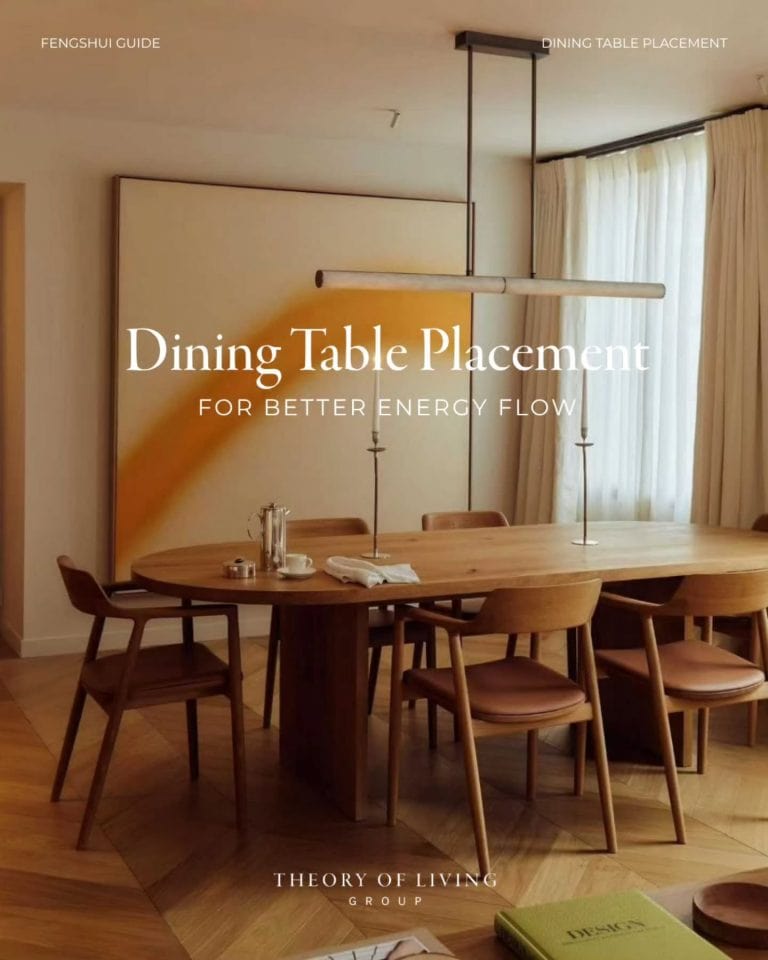
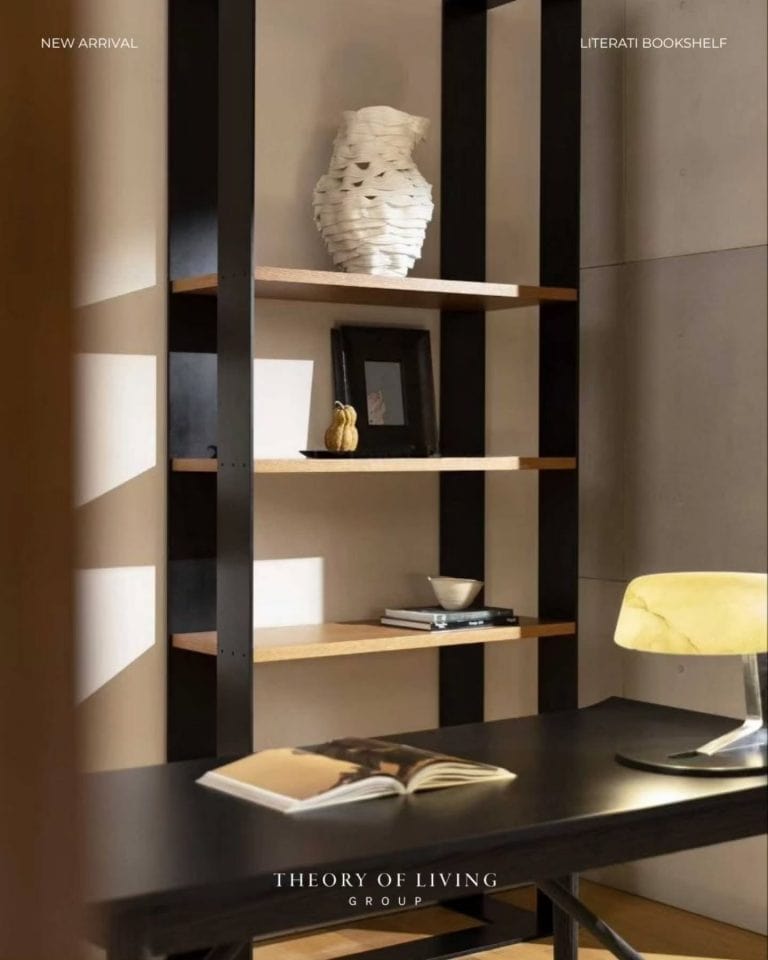
Light oak, ash, walnut, and teak are the dominant wood tones in 2026. The cold grey-washed Scandinavian palette of the early 2010s is definitively over; the emphasis now is on warmth, visible grain, and materials that read as genuinely organic rather than manufactured to look organic.
Reclaimed and lightly finished woods are particularly strong. A piece of furniture in reclaimed European oak with a matte oil finish — showing its grain, its knots, the variations that make it unique — carries more visual authority than the same form in a perfectly smooth veneer. This is a broader shift: in 2026, imperfection reads as quality rather than defect.
Teak deserves particular mention. Its natural oil content makes it uniquely durable, its grain is dense and even, and it ages into a silver-grey patina (when left untreated outdoors) or a warm honey tone (when oiled indoors) that no other tropical hardwood quite matches. Source it from certified sustainable suppliers — Indonesian and Thai plantations with verified FSC credentials are the benchmark.
Bouclé: At Peak, Used with Discipline
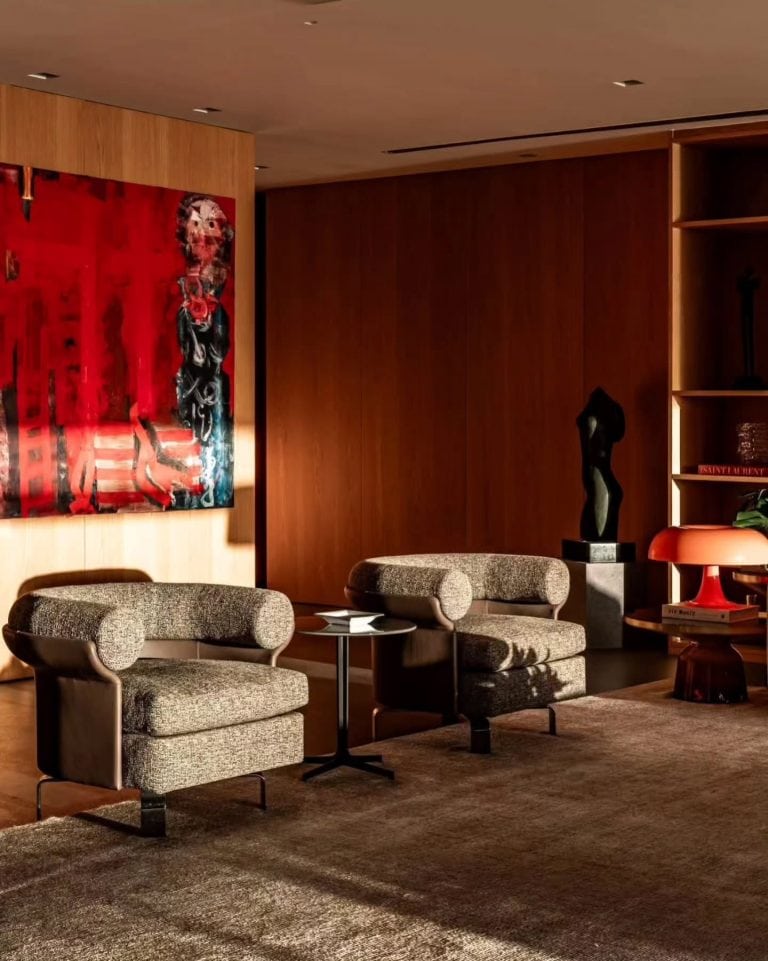
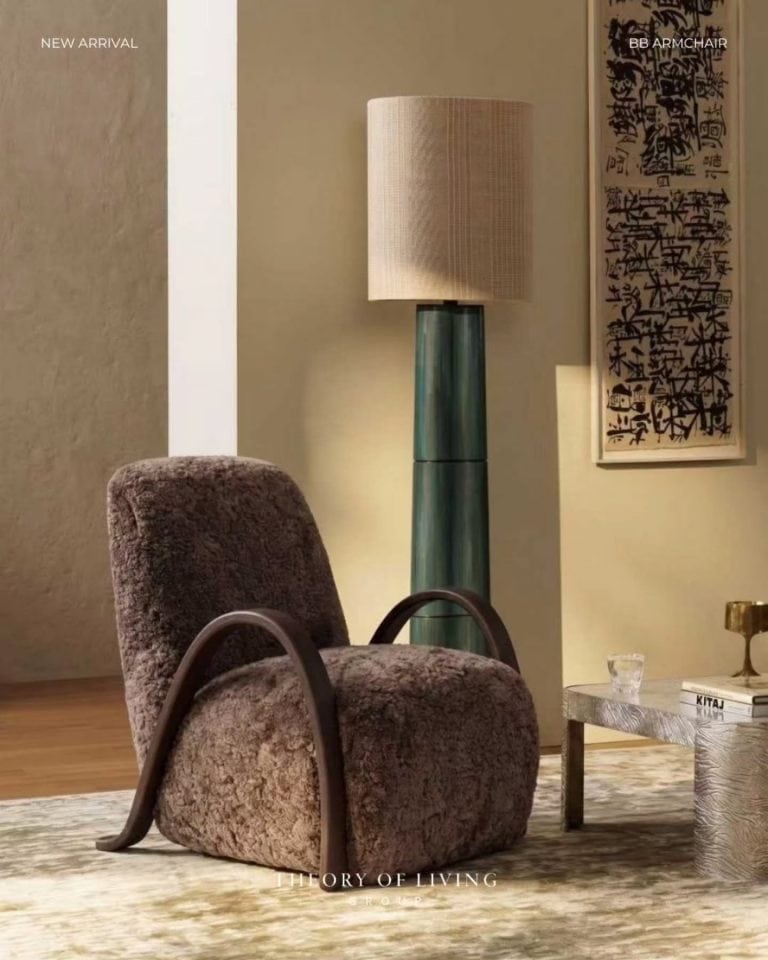
Bouclé has been the upholstery moment of the mid-2020s — and it is still a strong choice when used correctly. The looped texture adds visual interest without pattern, photographs well in any light, and suits the organic modern interiors that currently dominate international design publishing.
The risk is over-application. A bouclé sofa, a bouclé lounge chair, and bouclé cushions in the same room produces a texture collision that reads as trend-chasing rather than considered design. The discipline is to use bouclé as an accent within a room that has other textural anchors: a linen sofa paired with a bouclé lounge chair, or a bouclé headboard against limewashed walls.
Choose a tight weave over a loose one. Loose bouclé is visually appealing but pills and snags far more readily, and after eighteen months of regular use it begins to look worn rather than characterful.
Textured Plaster and Limewash
The treated wall is back, and it has moved decisively into the mainstream. Limewash — a traditional finish made from calcium hydroxite — creates a surface with inherent variation: lighter in some areas, darker in others, absorbing and reflecting light differently across the course of a day. Applied over existing plaster, it transforms a flat, painted wall into something alive.
Natural plaster — applied by hand in multiple layers — takes this further. The slight undulations of hand-application catch raking light in a way that spray or roller finishes cannot, and the depth of a plastered wall (as opposed to a painted one) is immediately apparent in person even when it is difficult to photograph.
3D wall tiles are also gaining ground for specific applications: feature walls in reception areas, behind headboards, in corridors where a single textural note can carry the full interest of the space. Used sparingly, they add architectural richness without relying on colour or pattern.
Rattan: Lasting Longer Than Expected
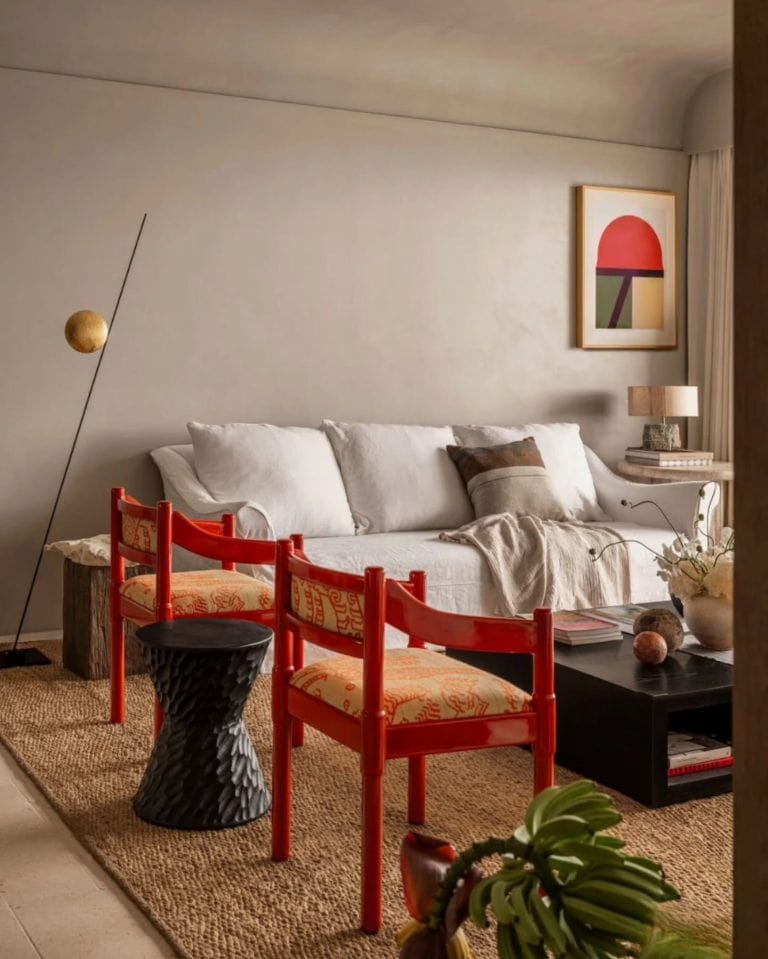
Rattan’s resurgence began around 2018, and the reasonable assumption was that it would have faded by now. It has not. The reason is that well-made rattan furniture — particularly lounge seating and accent chairs — is genuinely versatile: it suits contemporary interiors, organic modern spaces, and traditional rooms without forcing the aesthetic in any single direction.
The coastal cliché version — whitewashed rattan with nautical cushions in a beach house palette — is dated. But natural rattan in its warm honey or aged honey tone, paired with linen or bouclé upholstery, works as well in an urban apartment as it does in a tropical villa. This versatility is what has allowed it to outlast the trend cycle.
Indonesia produces up to 400,000 tonnes of rattan per year, and the craft tradition behind it is centuries old. Choosing rattan from Indonesian producers — as opposed to synthetic rattan alternatives — supports an authentic material tradition with a proven supply chain.
Aged Metals: The Finishing Detail
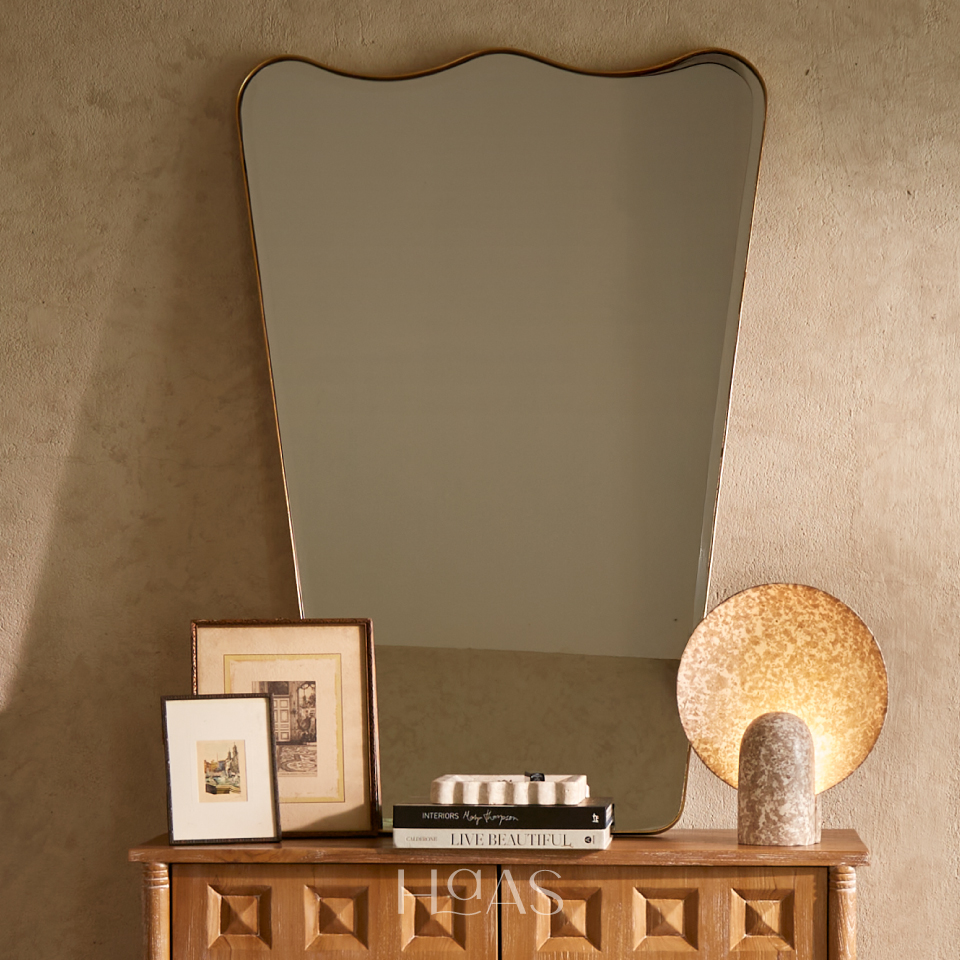
Unlacquered brass, brushed bronze, matte black, and warm gunmetal are the dominant metal finishes in 2026. Polished chrome — the default of the 2000s — is largely absent from considered interiors. Satin brass and gold-tone metals have given way to something more subdued and more complex.
The rule for mixing metals: choose one dominant finish and use one accent. Brushed brass as the primary — in door hardware, tap fittings, light switches — with a single accent in matte black or aged bronze for lamps and decorative objects. More than two metal finishes in a room begins to read as unresolved.
The Sustainability Principle
The most important shift in material selection in 2026 is not aesthetic — it is temporal. Sustainability, in practical terms, means choosing materials that last: that do not need replacing after five years because they have worn poorly, that do not look dated when the trend that produced them moves on, that improve with time rather than deteriorating from it.
Natural stone, solid hardwood, quality rattan, genuine linen — these materials have proven track records measured in decades, not seasons. Choosing them over their synthetic or fast-production equivalents is both an aesthetic decision and a sound one.
Curated Selection
Shop the Look
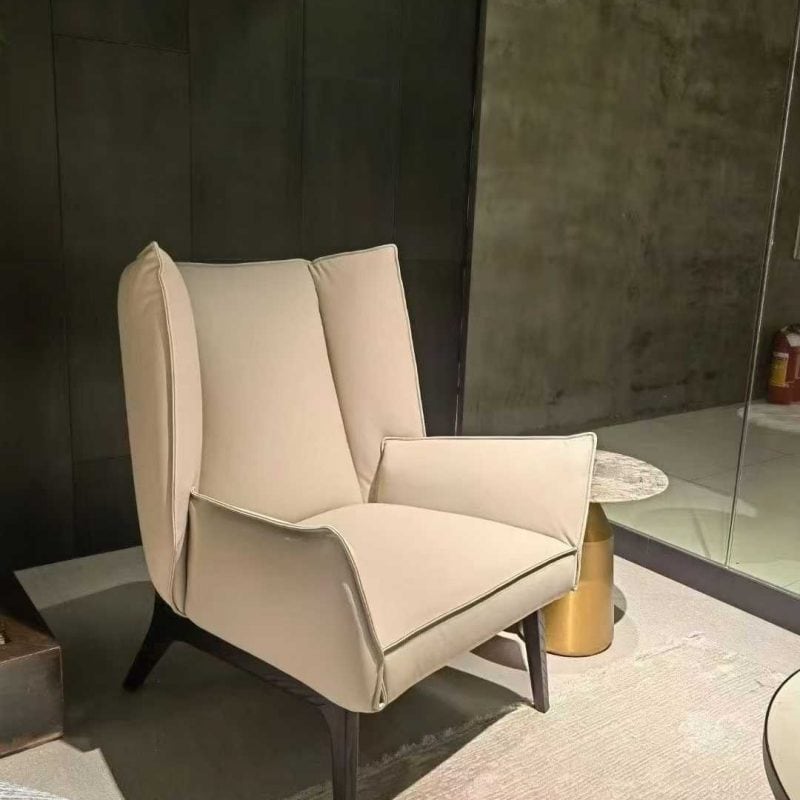
Explore pieces that put 2026’s rising materials front and centre — from handmade marble lamps to boucle armchairs, natural-fibre rugs and warm teak cabinetry.

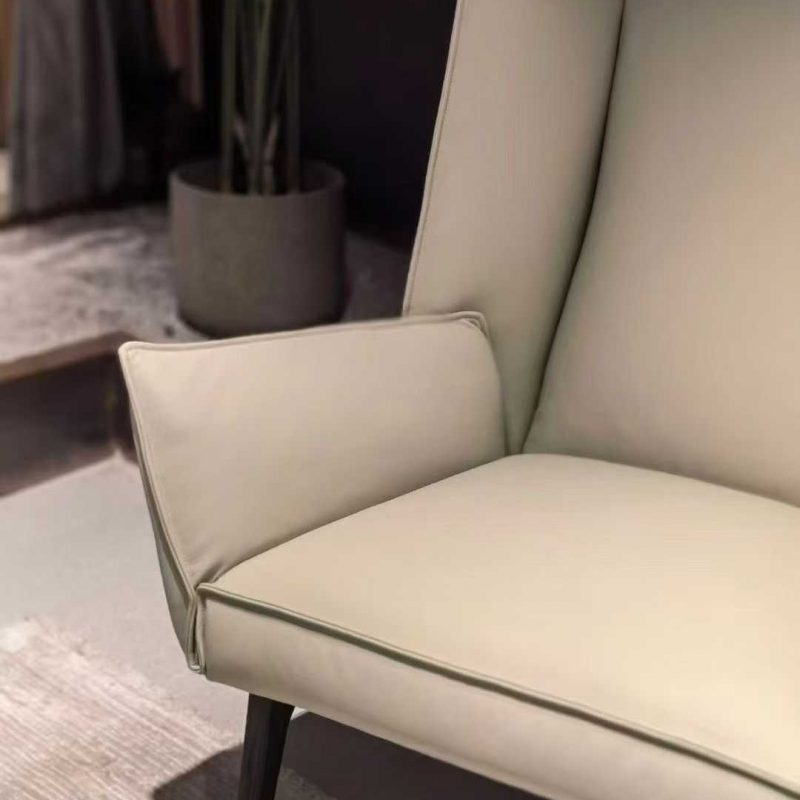
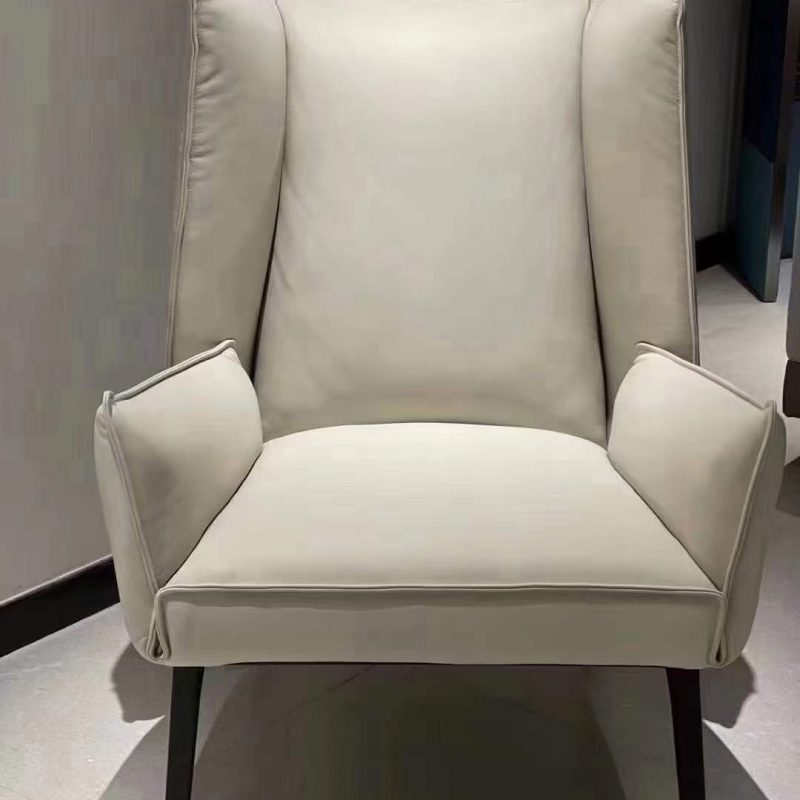
![Terry Armchair]()
![Terry Armchair]()
![Terry Armchair]()
Terry Armchair
Rp 43.490.000,00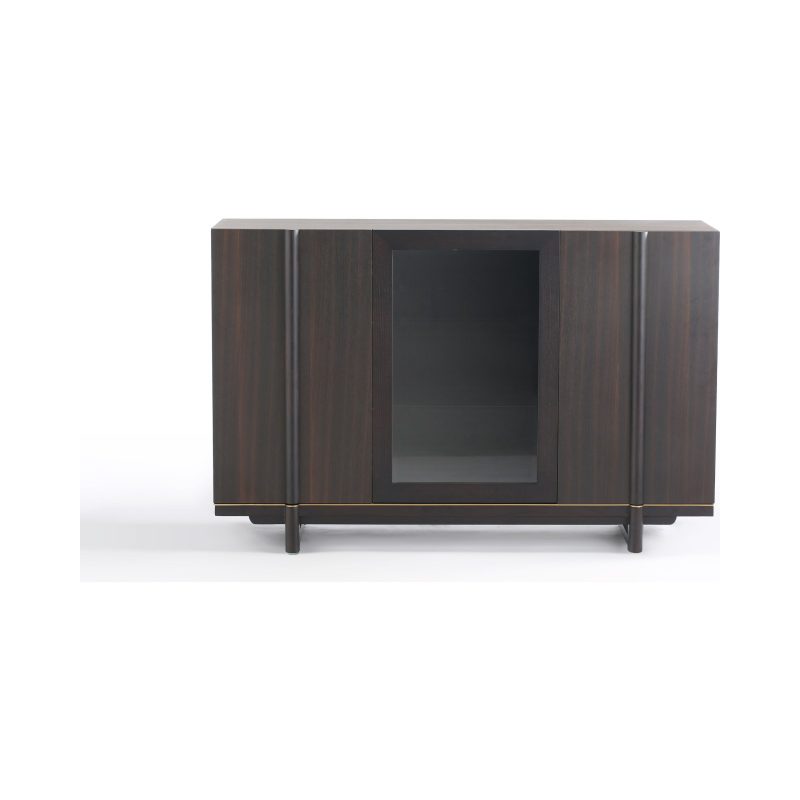
Benny Cabinet
Rp 50.290.000,00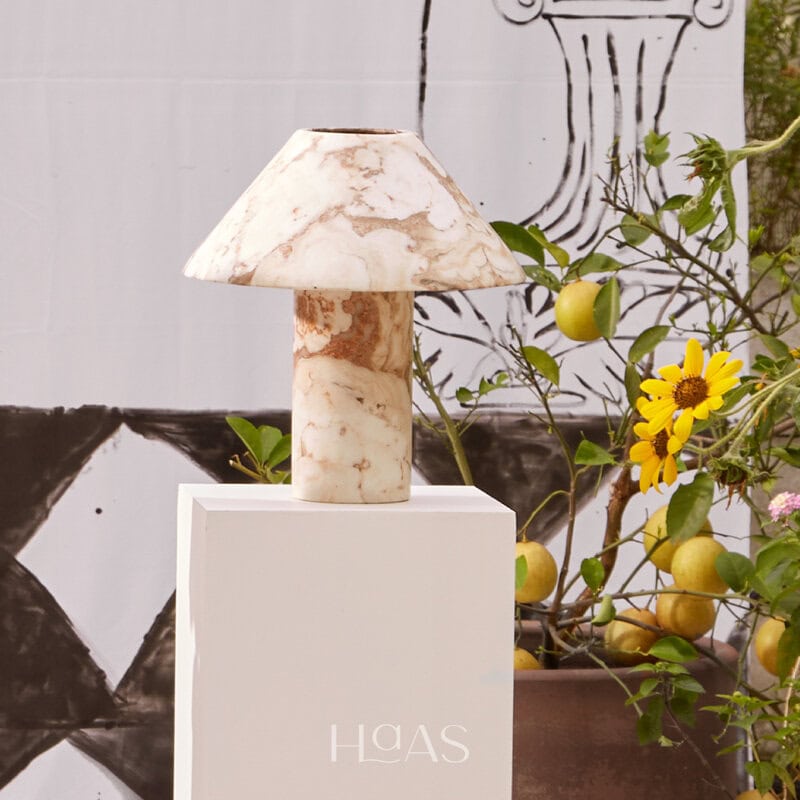
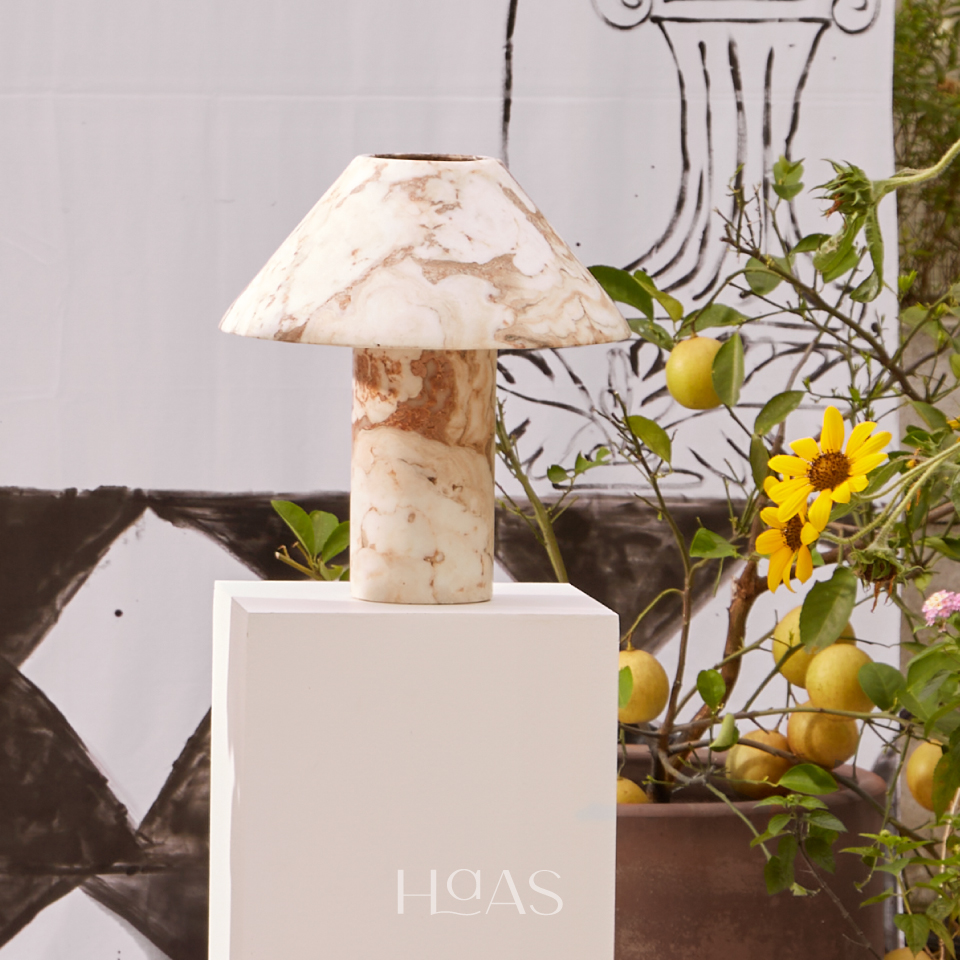
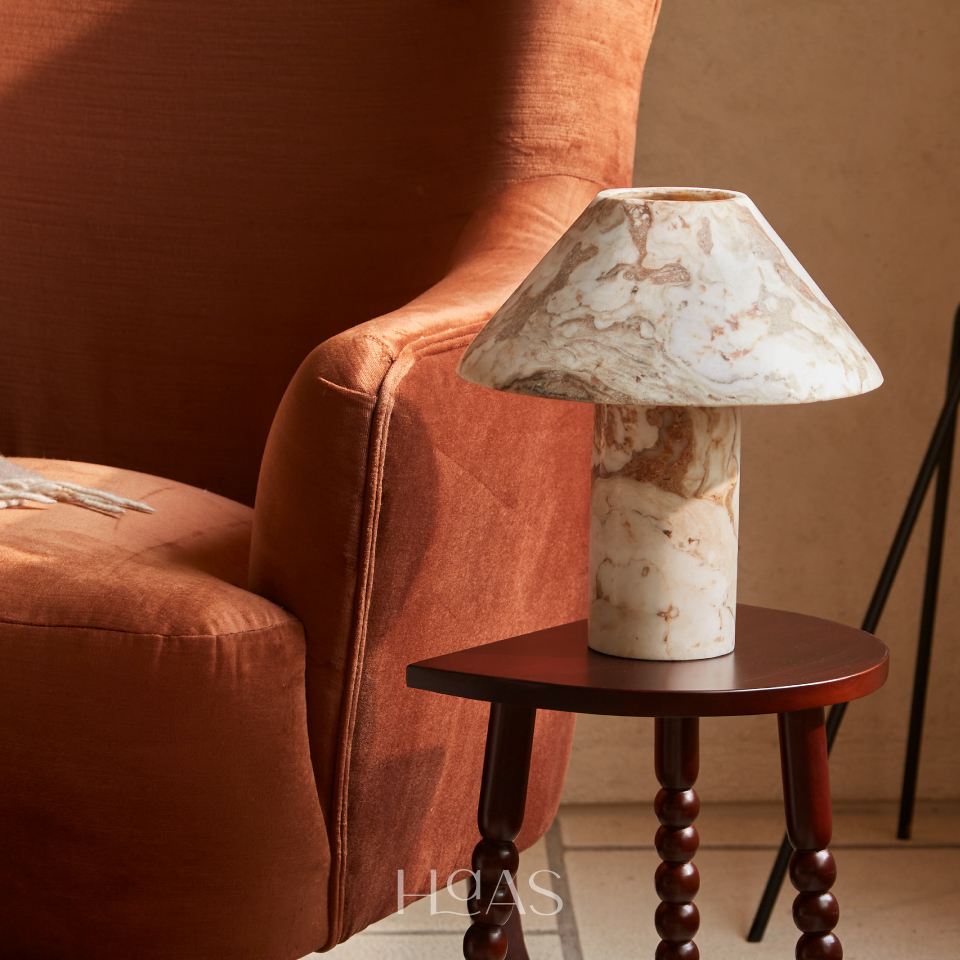
![HAAS Bhumi Handmade Marble Table Lamp]()
![HAAS Bhumi Handmade Marble Table Lamp]()
![HAAS Bhumi Handmade Marble Table Lamp]()
HAAS Bhumi Handmade Marble Table Lamp
Rp 3.999.900,00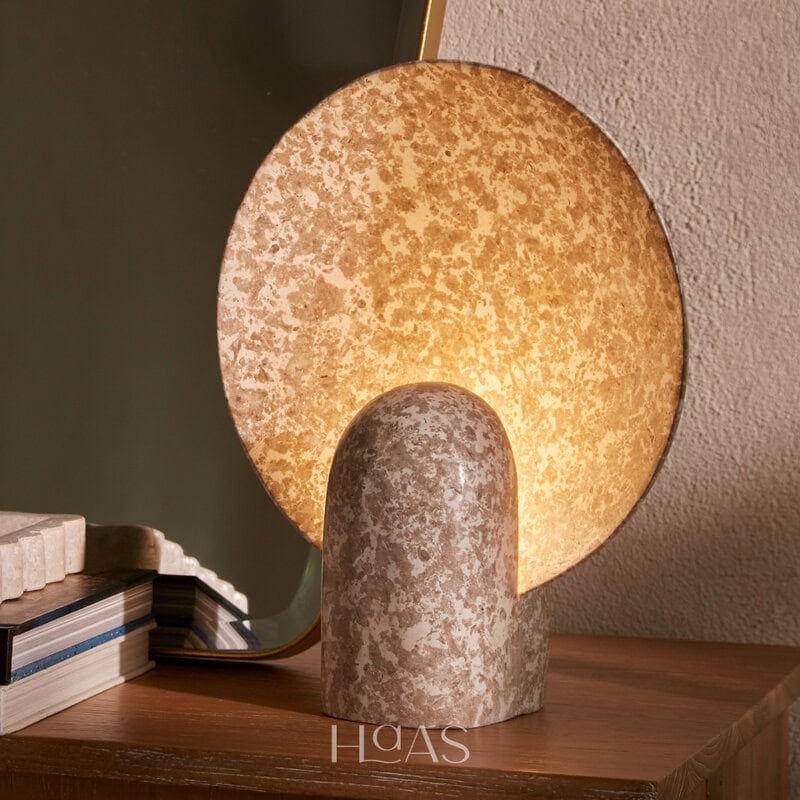
![HAAS Parbu Handmade Marble Table Lamp]()
![HAAS Parbu Handmade Marble Table Lamp]()
![HAAS Parbu Handmade Marble Table Lamp]()
HAAS Parbu Handmade Marble Table Lamp
Rp 3.499.900,00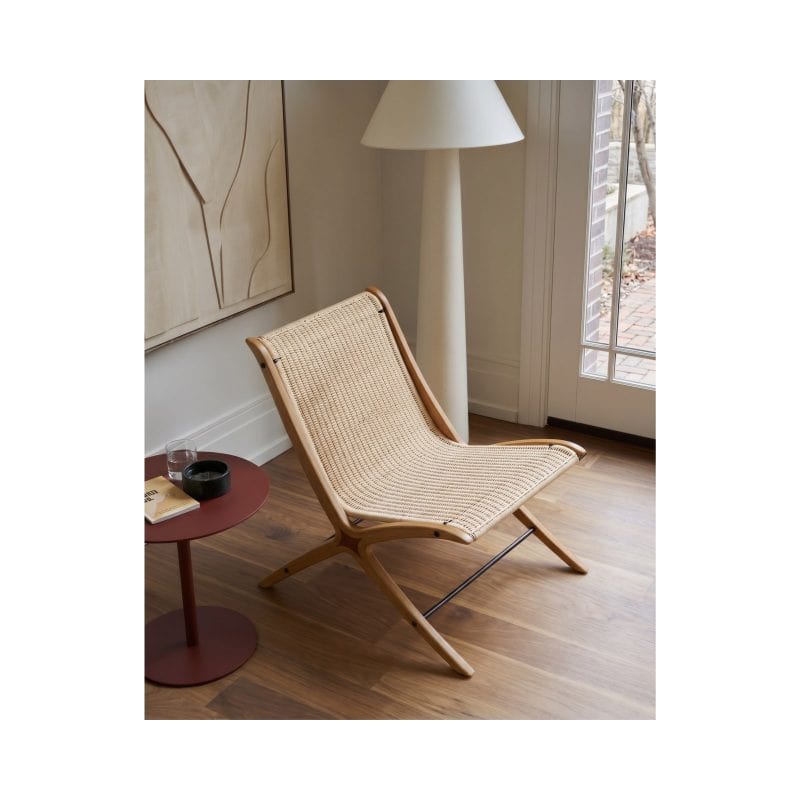
Kelith Lounge Chair
Rp 18.890.000,00